Australia's vast landscapes—from the Great Barrier Reef to the Outback—demand smart packing. Whether you're hiking in Tasmania, exploring Sydney, or venturing inland, having the right gear makes all the difference. This guide covers everything you need to pack for a comfortable and safe Australian adventure.
Clothing and Sun Protection
Australia is known for intense UV radiation, so sun protection isn't optional—it's essential. Pack lightweight, breathable clothing in neutral colours to reflect heat and blend with natural environments. Merino wool is ideal for both warm days and cool evenings, as it regulates temperature effectively.
- Wide-brimmed hat or cap with neck protection
- Sunglasses with UV400 protection
- Long-sleeved rash guard for swimming and water activities
- Lightweight pants or capris for sun protection
- Comfortable walking shoes with good grip (essential for hiking trails like those at Blue Mountains)
- Light sweater or jacket for cooler evenings, especially in southern regions
- Swimwear and beach cover-up
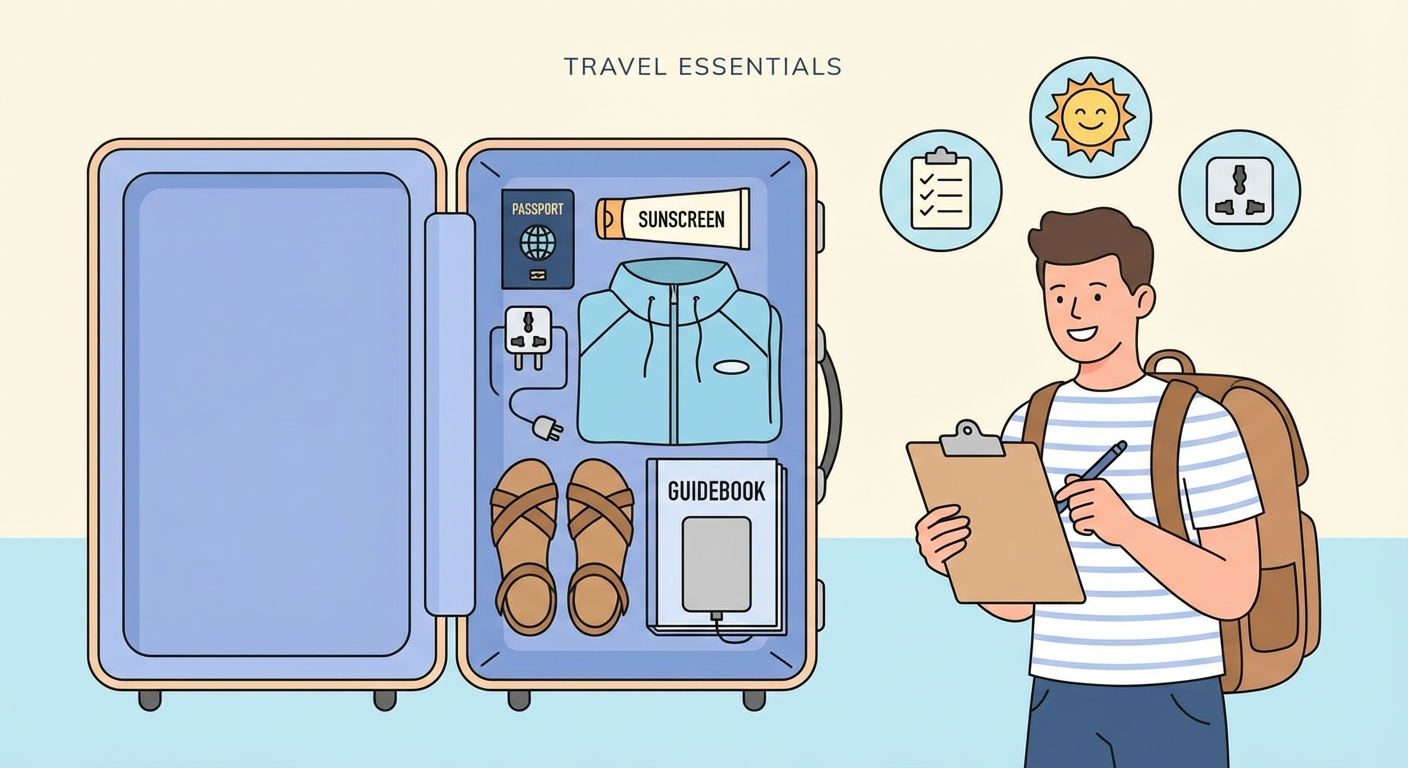
- Reef-safe sunscreen (SPF 50+) in large quantities
Australians dress casually, so formal wear is rarely needed unless you're dining at upscale restaurants in Melbourne or Sydney. Pack versatile pieces that transition from day activities to evening outings.
Essential Documents and Adapters
Before departure, ensure your documents are in order. You'll need a valid passport with at least six months validity remaining, and most visitors require an Electronic Travel Authority (ETA) or visa. Check the Department of Home Affairs website for your specific requirements.
- Passport and visa documentation
- Travel insurance documents (highly recommended)
- Driver's licence if planning to rent a vehicle
- Copies of important documents stored separately or digitally
- Travel itinerary and accommodation confirmations
Australia uses Type I electrical outlets (two flat parallel pins). Pack a universal power adapter to charge phones, cameras, and other devices. For staying connected while exploring remote areas like Kakadu National Park or the Daintree Rainforest, consider getting an eSIM from uPhone before you travel. With uPhone's eSIM, you'll have reliable data access without the hassle of finding physical SIM cards or managing multiple phone numbers, making it easy to navigate, share photos, and stay in touch throughout your journey.
Health and Safety Essentials
Australia has excellent healthcare, but remote areas can be far from medical facilities. Pack a comprehensive first-aid kit and medications you may need.
- Prescribed medications in original containers
- First-aid kit (bandages, antiseptic, pain relief)
- Anti-diarrhoea medication and digestive aids
- Antihistamines and decongestants
- Insect repellent containing DEET (essential for tropical regions)
- Blister treatment for hiking
- Moisturiser and lip balm with SPF
Consider travel insurance that covers adventure activities if you're planning to dive at the Great Barrier Reef or hike challenging trails. Australia's wildlife is generally not aggressive, but it's wise to be cautious. Never approach snakes, spiders, or crocodiles. Coastal swimmers should check for dangerous marine life warnings before entering water.
Practical Gear and Packing Tips
The right gear transforms your Australian experience. Pack a small day backpack for excursions, a reusable water bottle (Australia is dry, and hydration is crucial), and a lightweight dry bag if you're planning water activities.
- Compact binoculars for wildlife spotting in national parks
- Waterproof bag for electronics during water activities
- Quick-dry towel
- Lightweight, packable rain jacket
- Portable phone charger and charging cable
- Small torch or headlamp
- Reusable water bottle (refill at cafes and accommodations)
- Camera or GoPro for capturing memorable moments
Pack light and smart—Australia's domestic flights often have strict baggage allowances. Most items can be purchased in major cities like Brisbane, Melbourne, and Perth if forgotten. Aim to leave room in your luggage for souvenirs and local products like Aboriginal art and Vegemite (if you dare!). With proper preparation and the right gear, you'll be ready to explore everything from coastal cities to the red heart of the Outback.