What Is a VPN?
A plain-English explanation — no jargon, no technical degree required.
See best VPN providersVPN stands for Virtual Private Network
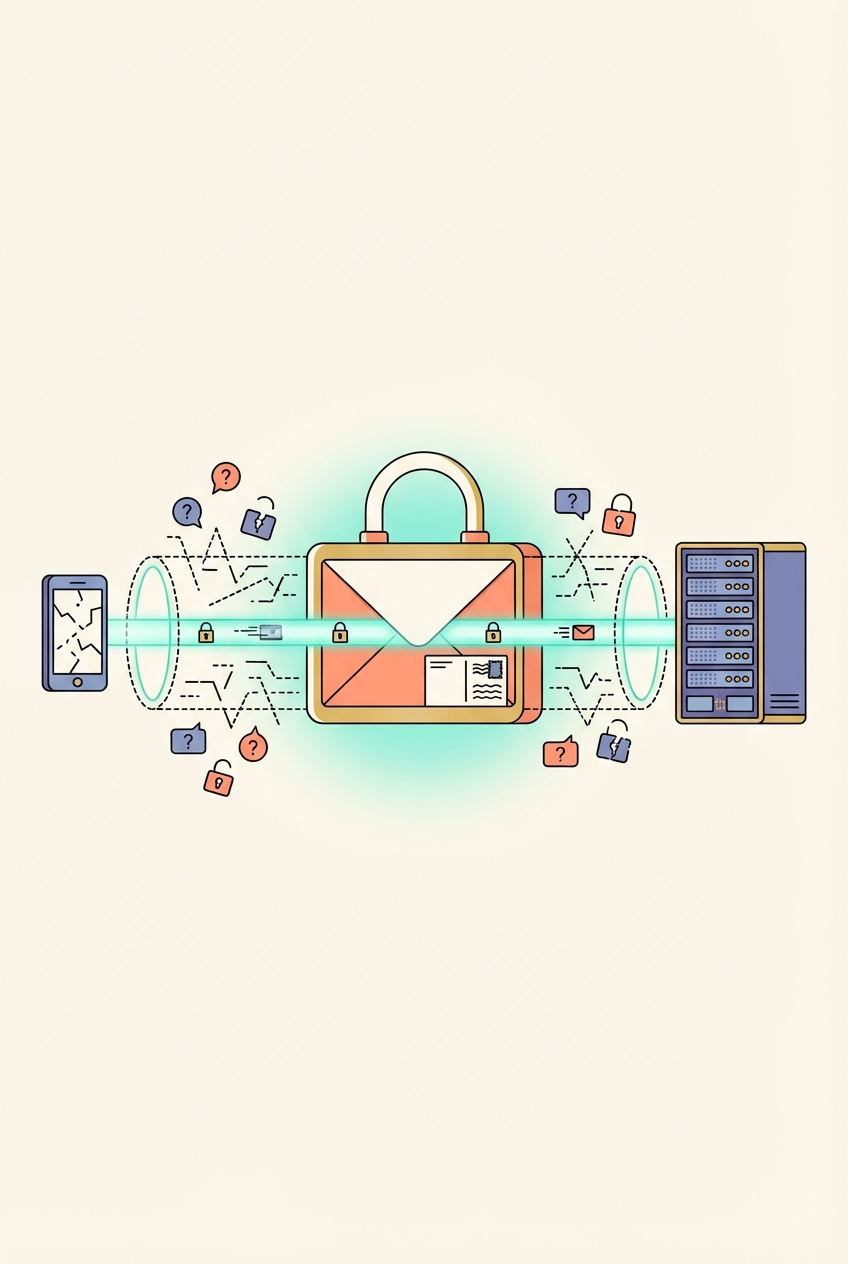
A VPN is an app you install on your phone or laptop. When you turn it on, it creates a secure, encrypted tunnel between your device and a server in another country. All your internet traffic flows through that tunnel — making it appear as if you're browsing from that other country. If you want to understand the mechanics in more detail, see how a VPN works.
Think of normal internet as sending a postcard — anyone who handles it can read it. A VPN is like putting that postcard in a locked, opaque envelope. The delivery route also changes, so it looks like it was sent from a completely different address.
Free VPN vs paid VPN
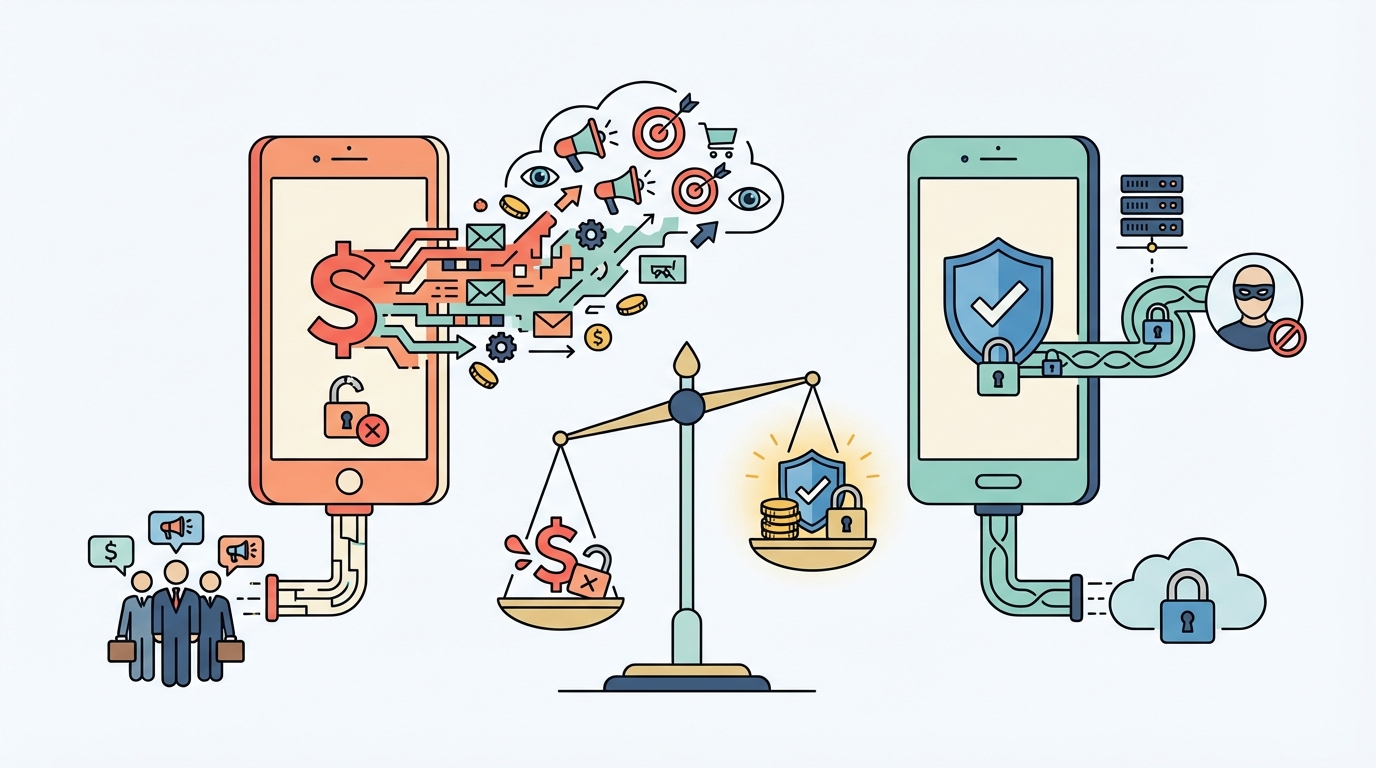
Not all VPNs are created equal — and free ones can actually be dangerous. Free VPN providers need to cover their costs somehow, and that "somehow" is usually your browsing data. Before choosing, check the 10 signs you need a VPN to understand exactly what you're protecting against.
Is a VPN legal?
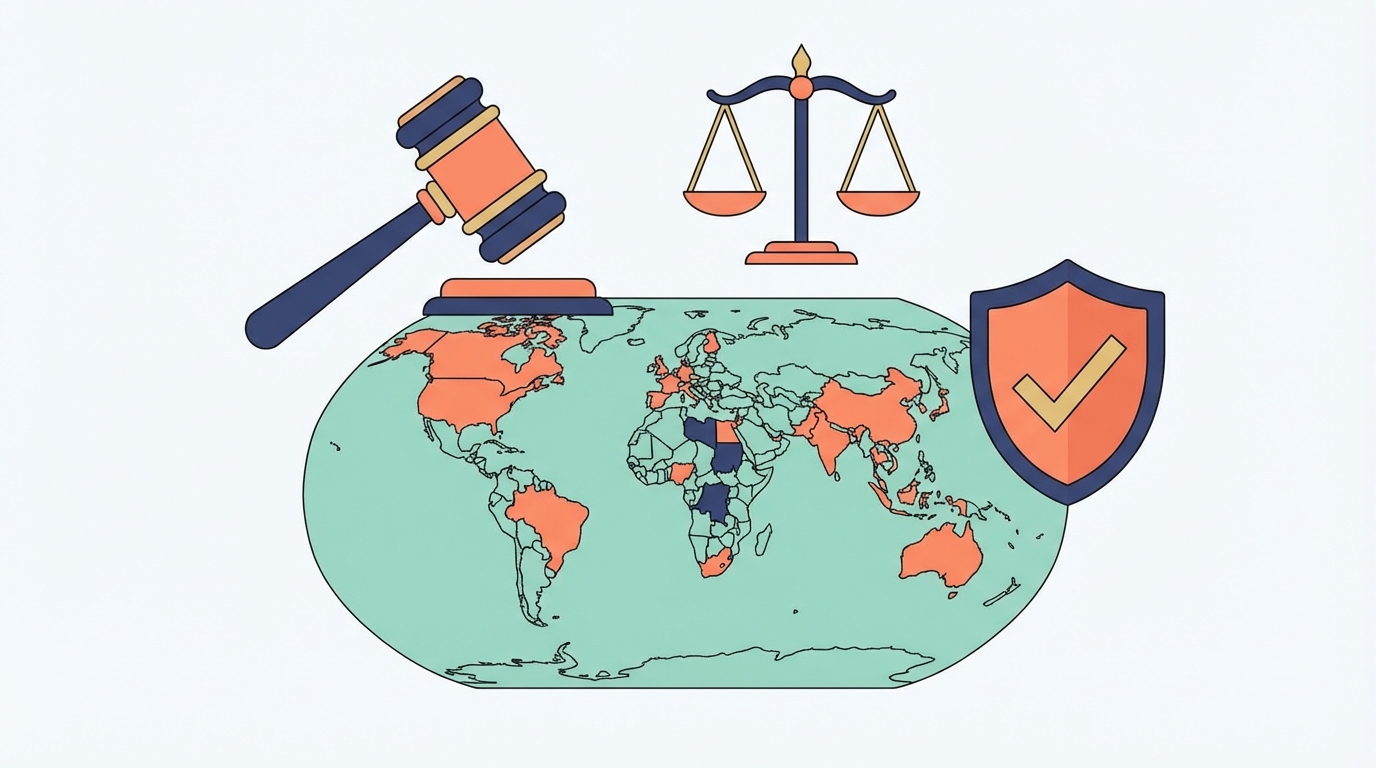
In most countries, yes — VPNs are completely legal and widely used by businesses and individuals. A small number of countries (China, Russia, Iran, Belarus) restrict or ban VPN use. Even there, travellers routinely use VPNs without issue. See our country-by-country VPN guide for destination-specific advice.
Install and test your VPN before you arrive in restricted countries — VPN download sites are often blocked once you're inside.