Free VPN vs Paid VPN
Free VPNs exist for a reason — and that reason isn't your privacy. Here's what they're really selling.
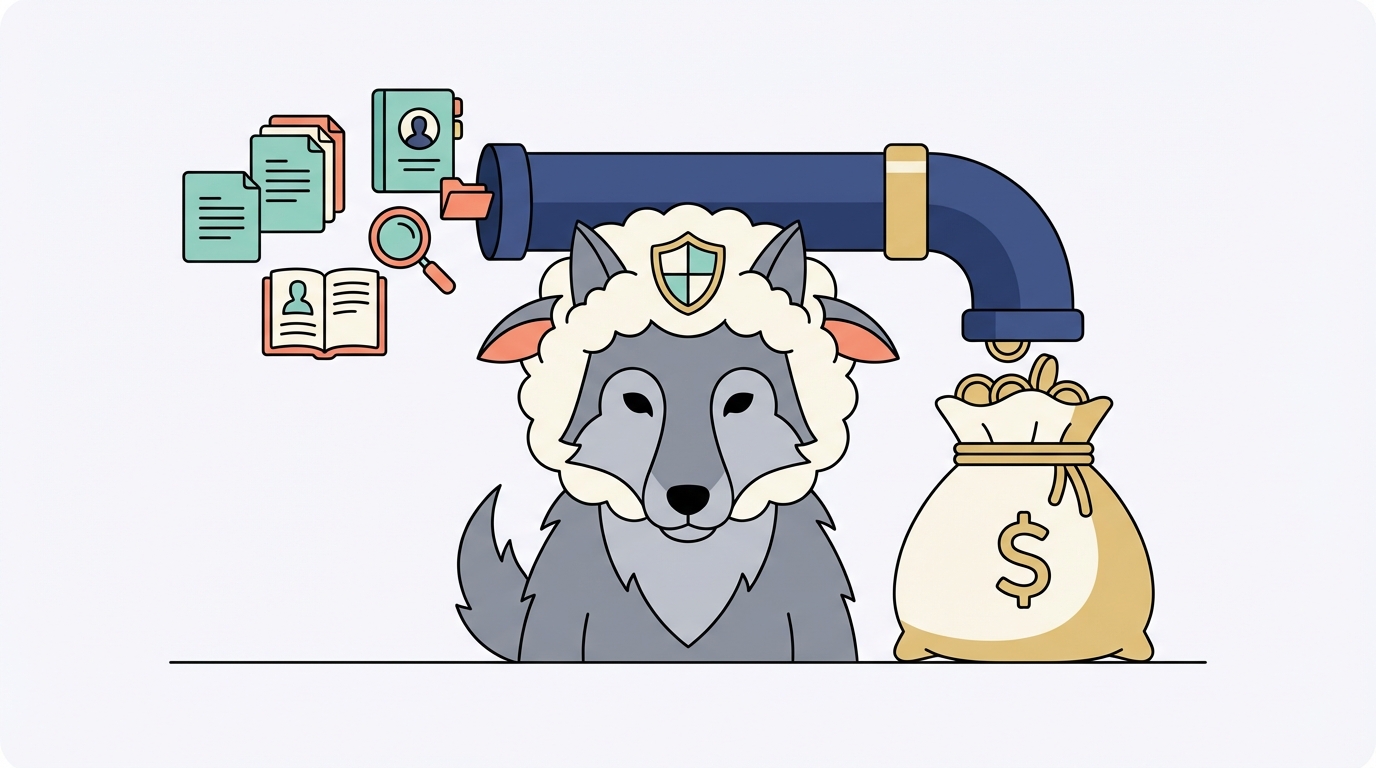
Free VPN providers are the product, not the service
Running a VPN network costs real money: servers, bandwidth, engineers, infrastructure. Free VPN providers have to pay those bills somehow. The answer is almost always you — specifically, your data.
The three most common monetisation strategies are: selling your browsing history to data brokers and advertisers, leasing your unused bandwidth to third parties (your IP address becomes an exit node for other people's traffic), and injecting tracking cookies or ads directly into your web browsing sessions.
Hotspot Shield was caught injecting JavaScript tracking code into users' web sessions. Hola VPN sold users' bandwidth to a botnet — your IP address was used to deliver DDoS attacks. SuperVPN exposed 360 million user records in a data breach. These are not obscure apps: they had tens of millions of downloads.
Free vs paid: side-by-side
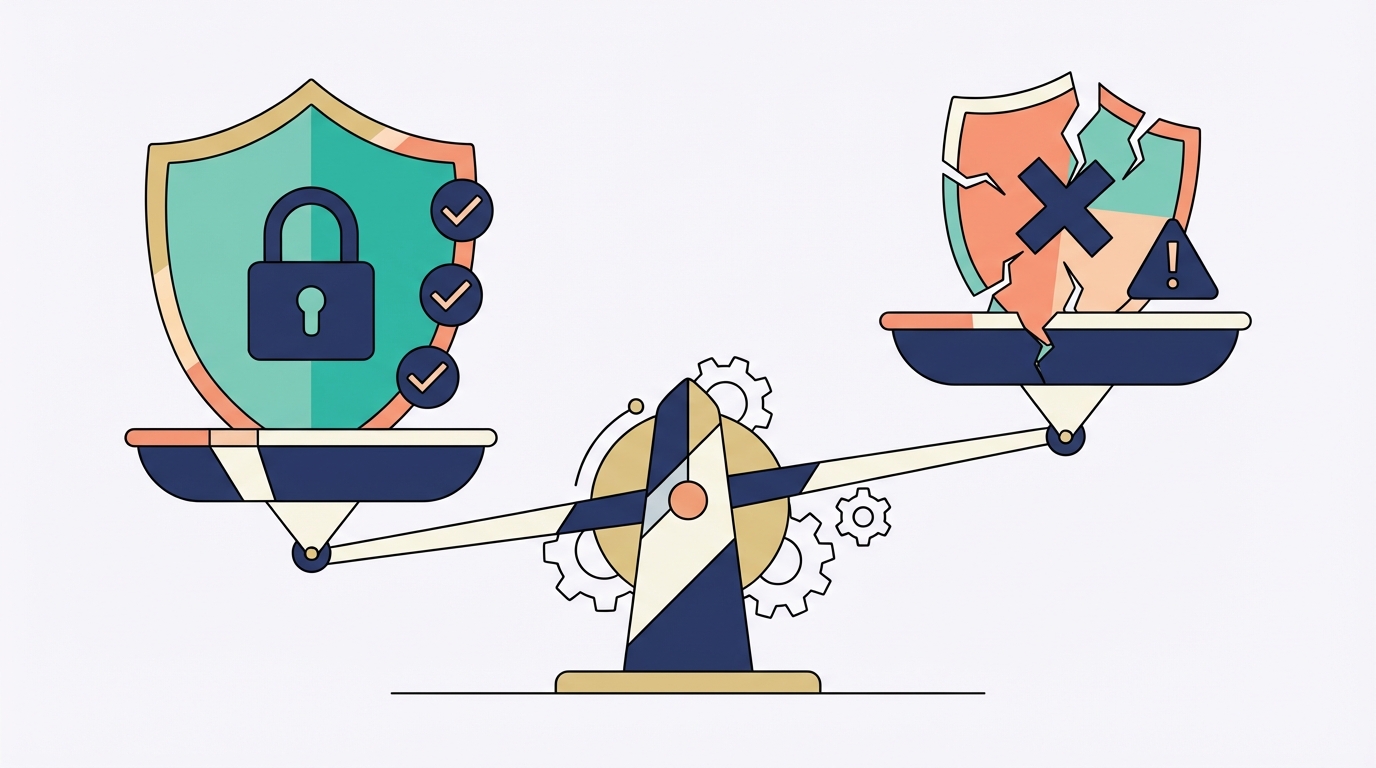
The differences aren't subtle. Across every metric that matters for travellers, paid VPNs win decisively.
| Feature | Free VPN | Paid VPN |
|---|---|---|
| Logging policy | ❌ Often logs & sells data | ✅ Audited no-log policy |
| Speed | ❌ 40–80% slower | ✅ 5–15% overhead max |
| Data limit | ❌ 500 MB–2 GB/month | ✅ Unlimited |
| Works in China / UAE | ❌ Rarely | ✅ Yes (NordVPN, ExpressVPN) |
| Server locations | ❌ 3–10 countries | ✅ 50–100+ countries |
| Kill switch | ❌ Almost never | ✅ Standard feature |
| Customer support | ❌ None / forum only | ✅ 24/7 live chat |
| Cost | $0 (you pay with data) | ~$2.50–$7/month |
What does a paid VPN actually cost?
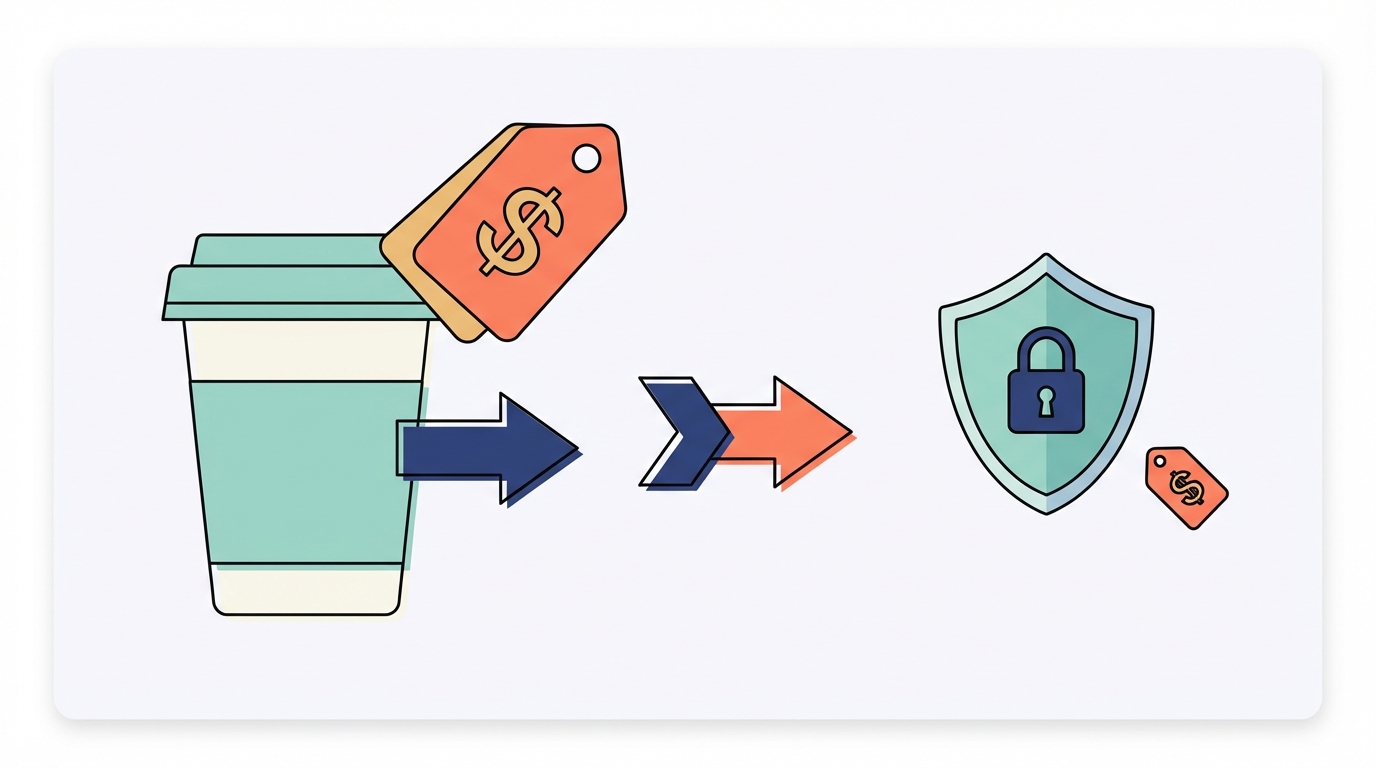
Less than you think. Paid VPNs on annual plans are cheaper than a single airport coffee — every month.
A flat white at any airport costs £4–£6. A year of NordVPN costs around £37. You're getting 365 days of protection for the price of 7 coffees.
The one time free VPNs are acceptable
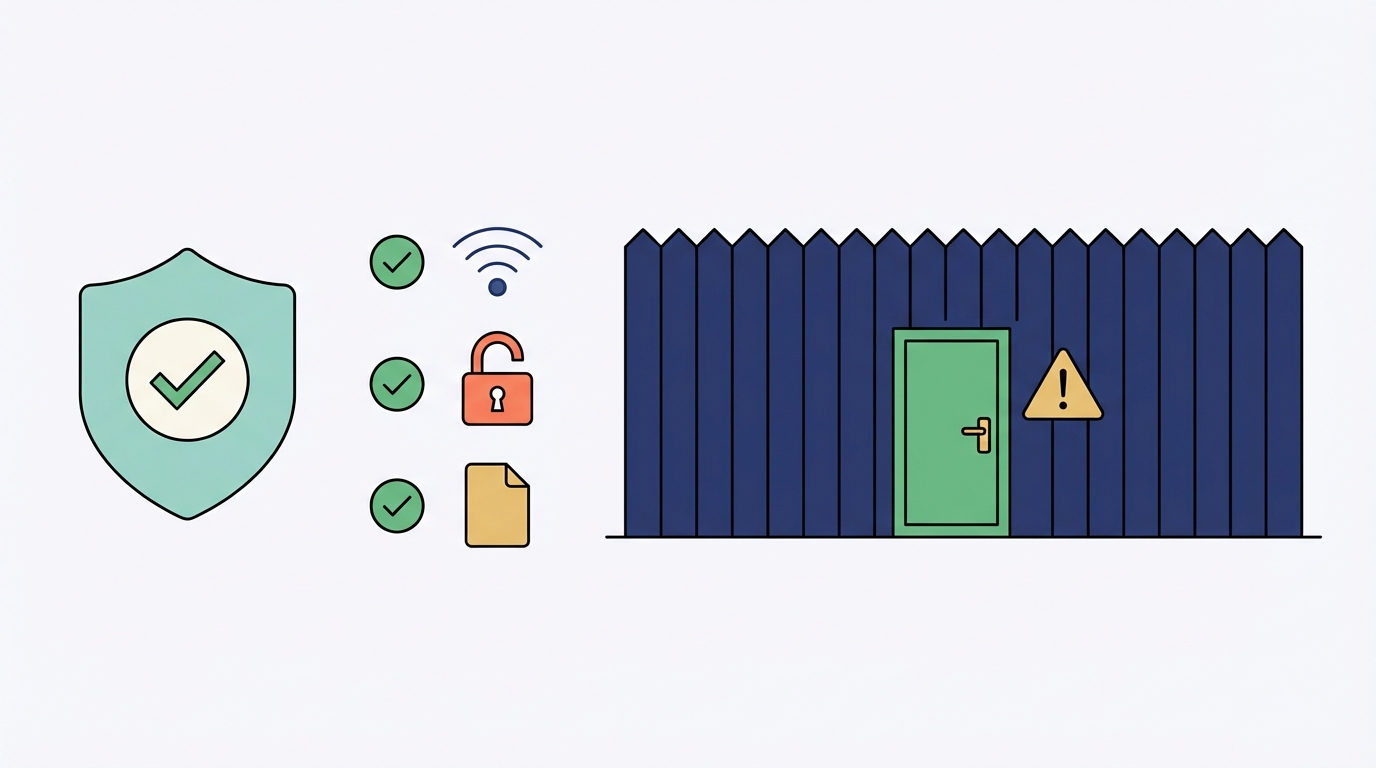
There is one free VPN worth mentioning: Proton VPN's free tier. Unlike every other free VPN, Proton is funded by its paid subscribers and has a legitimate, independently audited no-log policy. It does not sell your data.
The trade-offs: speeds are slower than the paid tier, you can only connect to 3 countries (US, Netherlands, Japan), and you may be queued during peak times. It will not work reliably in China or UAE.