Australia's food scene is as diverse and vibrant as its landscapes, blending indigenous traditions with multicultural influences and modern innovation. From iconic street foods to fine dining experiences, the country offers an unforgettable culinary journey. Whether you're sampling fresh seafood in Sydney, enjoying café culture in Melbourne, or discovering bush tucker in the Outback, Australian cuisine reflects both coastal abundance and unique native ingredients. Let's explore the must-try dishes and food experiences that define eating in Australia.
Iconic Australian Dishes
No trip to Australia is complete without experiencing the country's signature dishes. The meat pie remains a cultural staple—grab one from a local bakery for an authentic snack that's been beloved for generations. Look for award-winning pie shops like Bourke Street Bakery in Sydney or Bragazzis in Melbourne.
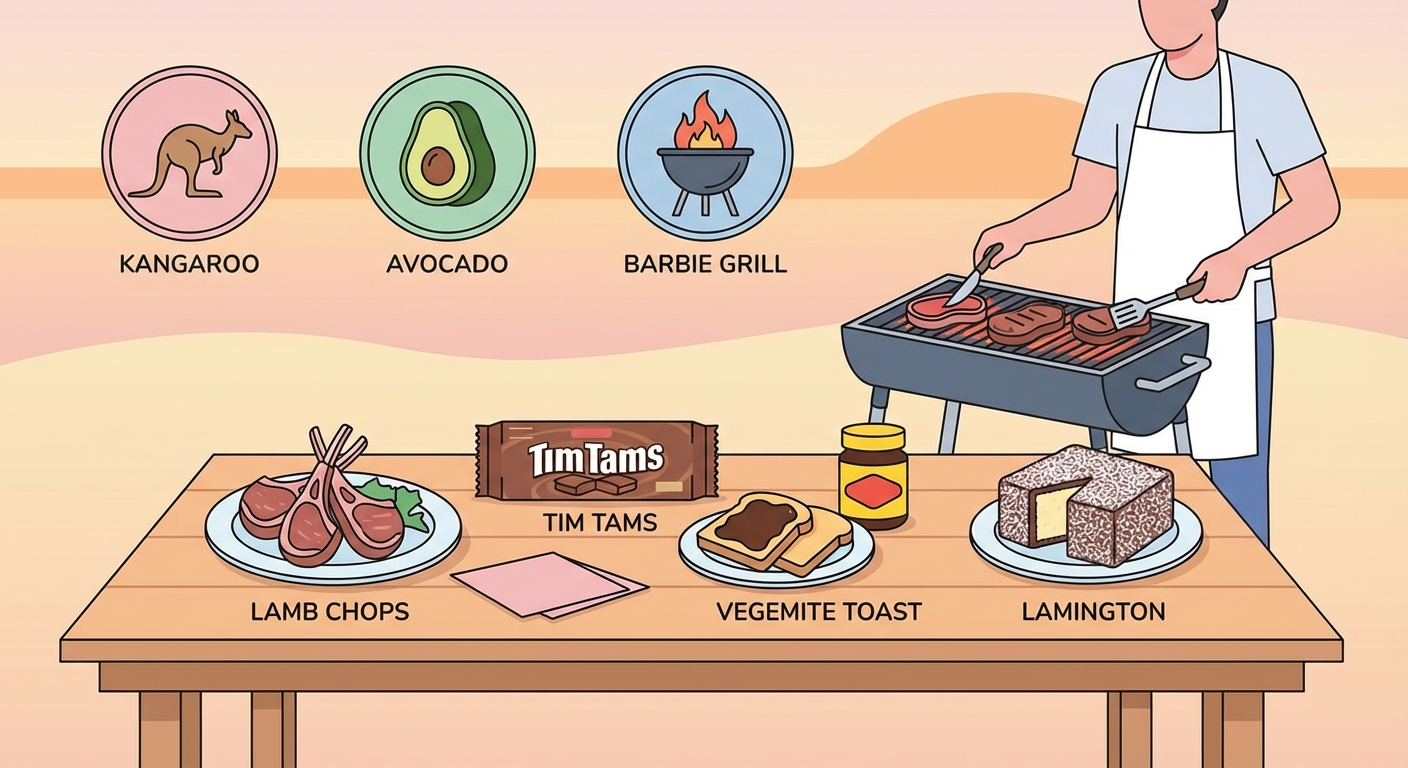
The barbie (barbecue) is central to Australian food culture. Grilled lamb chops, sausages, and fresh fish cooked over hot coals represent weekend tradition. Many accommodations offer BBQ facilities, or visit beachside picnic areas where locals gather.
Try Vegemite on toast—a divisive but unmissable experience. This yeast extract spread is an acquired taste, so start with a thin scraping. It's perfect for breakfast or a quick snack at any café.
Lamingtons (sponge cake dipped in chocolate and coconut) and Tim Tams (chocolate biscuits) are quintessential treats. Tim Tams are so iconic you should try the "Tim Tam Slam"—bite off both corners and sip hot chocolate through it like a straw.
Street Food and Market Culture
Australia's street food scene thrives in markets and food courts across major cities. Sydney Fish Market offers exceptional fresh seafood, oysters, and fish and chips with harbour views. Melbourne's Queen Victoria Market features diverse cuisines, fresh produce, and local delicacies—perfect for grazing through different stalls.
Sausage sizzles (grilled sausages in white bread with onions and sauce) appear at community events, fundraisers, and weekend gatherings. They're inexpensive, satisfying, and a genuine local experience.
Asian-influenced street food dominates food courts: Vietnamese banh mi, Thai pad thai, and Chinese dumplings reflect Australia's multicultural identity. Brunswick Street in Fitzroy (Melbourne) and Parramatta Road in Sydney offer exceptional street food options.
- Fresh fruit smoothie bowls with granola and berries—a café staple
- Meat hand pies from milk bars and bakeries
- Dim sum in Chinatown areas (Sydney and Melbourne)
- Seafood takeaway—fish, prawns, and crayfish
Regional Specialties and Native Ingredients
Australia's native ingredients are gaining prominence in modern cuisine. Bush tucker includes native foods like wattleseed, finger limes, macadamia nuts, and Kakadu plums. Fine dining restaurants in Sydney and Melbourne increasingly feature these ingredients in creative dishes.
The Murray-Darling region produces exceptional freshwater fish, particularly barramundi. Coastal areas offer abundant rock lobsters, mud crabs, and flathead. South Australia is famous for King George whiting and Adelaide's Central Market showcases regional produce.
Visit Tasmania for cool-climate produce: berries, apples, and dairy products. The island's restaurants emphasize farm-to-table dining with exceptional seafood including Tasmanian salmon.
Coffee culture is serious business in Australia, especially Melbourne. Specialty cafés serve single-origin, expertly-prepared espresso drinks. The flat white (espresso with steamed milk) originated here and remains the gold standard.
Restaurant Recommendations and Dining Tips
Sydney's fine dining includes Quay (offering modern Australian cuisine) and Cirrus Dining (Japanese-influenced Australian). For casual dining, explore the areas around Newtown and Surry Hills.
Melbourne's laneway cafés and restaurants define the city's food identity. Explore laneways between Swanston and Spring Streets for hidden gems offering everything from ramen to modern Australian fare.
Most restaurants in major cities accept card payments, but it's wise to carry cash for markets and smaller vendors. Tipping isn't mandatory (unlike North America), though rounding up or adding 10% for good service is appreciated.
When exploring regional restaurants and markets, having reliable internet access helps research recommendations and locate food spots. An eSIM from uPhone ensures you stay connected to maps and review apps throughout your culinary adventures, without expensive roaming charges.