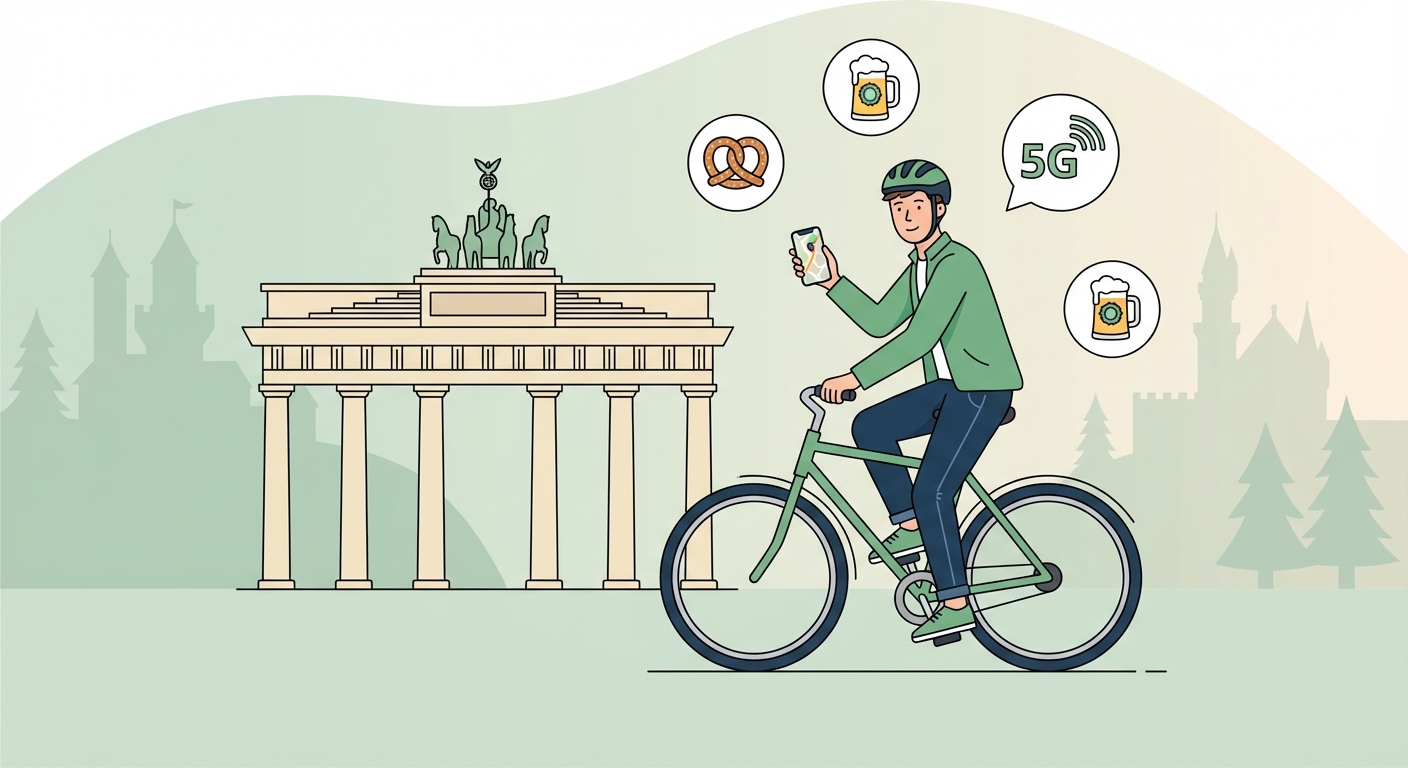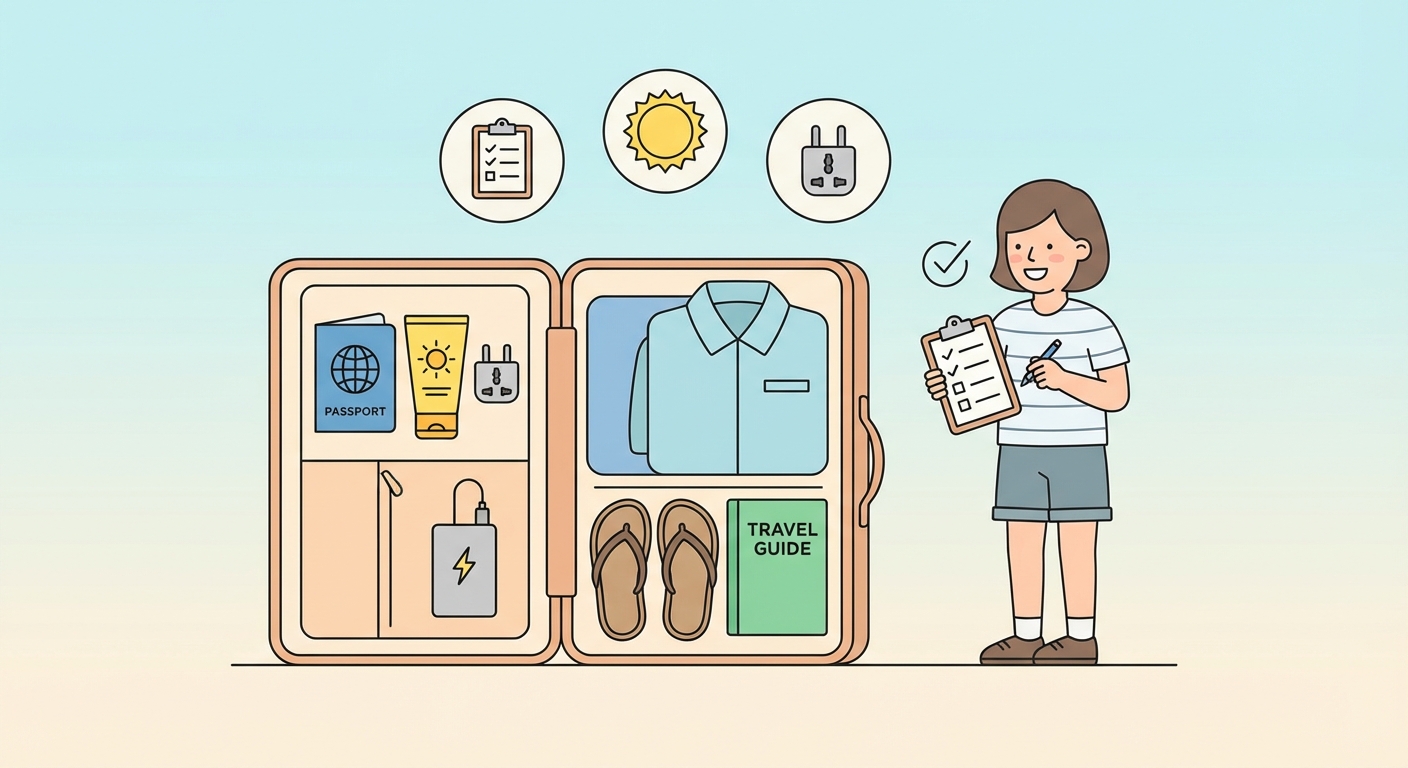
Germany's efficient infrastructure and predictable weather make packing straightforward, but getting it right ensures you'll enjoy everything from Berlin's vibrant museums to Bavaria's Alpine villages without unnecessary hassle. Whether you're exploring beer gardens in Munich or hiking the Rhine Valley, this comprehensive packing guide covers everything you need for a comfortable German adventure.
Clothing and Footwear Essentials
Germany's weather varies significantly by season and region. Summers (June–August) are warm but unpredictable, with temperatures ranging from 20–25°C. Pack lightweight, breathable clothing including t-shirts, shorts, and a light cardigan for cooler evenings. A compact rain jacket is essential year-round, as German summers can bring sudden showers.
For autumn and spring (September–May), layer thoughtfully. Bring long-sleeved shirts, jeans, sweaters, and a proper waterproof jacket. Winter visitors should pack thermal underwear, a warm coat, scarves, gloves, and a beanie—Munich and Berlin can drop to freezing temperatures.
Comfortable walking shoes are non-negotiable. Germany's cities are best explored on foot, with uneven cobblestone streets in historic districts like Cologne's Old Town. Bring sturdy, broken-in walking shoes plus a dressier option for restaurants and beer halls. If you plan Black Forest hikes or visits to Neuschwanstein Castle, invest in proper hiking boots.
- Moisture-wicking socks for extended walking
- Swimsuit (many German hotels have spa facilities)
- Casual but neat clothing (Germans generally dress smartly)
- One formal outfit for upscale dining in Frankfurt or Hamburg
Documents, Adapters, and Connectivity
Essential documents include your passport (valid for at least three months), travel insurance documents, and copies of hotel confirmations. EU citizens don't need visas; others should check requirements beforehand. Keep digital copies in cloud storage for backup.
Germany uses Type C and Type F electrical plugs with 230V, 50Hz power. Pack a universal adapter to charge phones, cameras, and other devices. Most hotels provide USB ports, but adapters prevent frustration.
For staying connected without expensive roaming charges, consider an eSIM from uPhone. German networks are excellent, and an eSIM eliminates the need to find physical SIM cards or hunt for SIM card slots. Simply install the eSIM before departure, and you'll have immediate access to fast 4G/5G data across Germany. This means you can navigate Berlin's Charlottenburg Palace, check train schedules, or share photos from Oktoberfest in Munich without connectivity worries. Alternatively, local SIM cards from providers like Vodafone or Telekom are readily available at airport kiosks.
Don't forget your phone charger and a portable power bank for long sightseeing days.
Health, Toiletries, and Practical Items
Germany has excellent healthcare, but bring prescribed medications in original containers. Pack a basic first-aid kit including pain relievers, antihistamines, antacids, and any personal medications. German pharmacies (Apotheken) are abundant and reliable for over-the-counter needs.
Bring toiletries from home if you have specific preferences, though German drugstores and supermarkets stock everything. Sunscreen is wise for summer visits and snow-related reflection in winter.
- Travel-sized hand sanitizer and tissues
- Prescription glasses or contact lens supplies
- Blister treatment (for extensive walking)
- Deodorant (harder to find in German stores)
- Lightweight daypack for sightseeing
- Reusable water bottle (tap water is excellent and free)
Smart Packing Tips for German Travel
Pack light to navigate cobblestone streets and train stations effortlessly. A carry-on rolling suitcase plus small backpack works perfectly. Germany's public transport is exceptional, so you needn't carry everything everywhere.
Book accommodations with luggage storage if arriving early. Most hotels happily store bags while you explore. Laundromats exist in major cities if you're traveling longer than two weeks.
Bring a small notebook and pen—many traditional restaurants in Bavaria still prefer cash, and it's useful for noting wine recommendations in Mosel Valley villages. Finally, pack modest amounts of euros upon arrival, though card payment is increasingly common even in smaller towns.
With proper packing and thoughtful preparation, you'll move through Germany comfortably, whether enjoying Bavarian pretzels in Nuremberg or catching world-class performances at Berlin's Konzerthaus.