Croatia's stunning Adriatic coastline, historic cities, and crystalline waters attract visitors year-round, but timing your trip strategically can transform your experience. Whether you're dreaming of island-hopping along the Dalmatian Coast, exploring Dubrovnik's marble streets, or hiking through Plitvice Lakes National Park, understanding Croatia's seasonal rhythms will help you dodge crowds, enjoy perfect weather, and make the most of your budget. Here's your month-by-month guide to planning the ideal Croatian getaway.
Summer Season: June to August
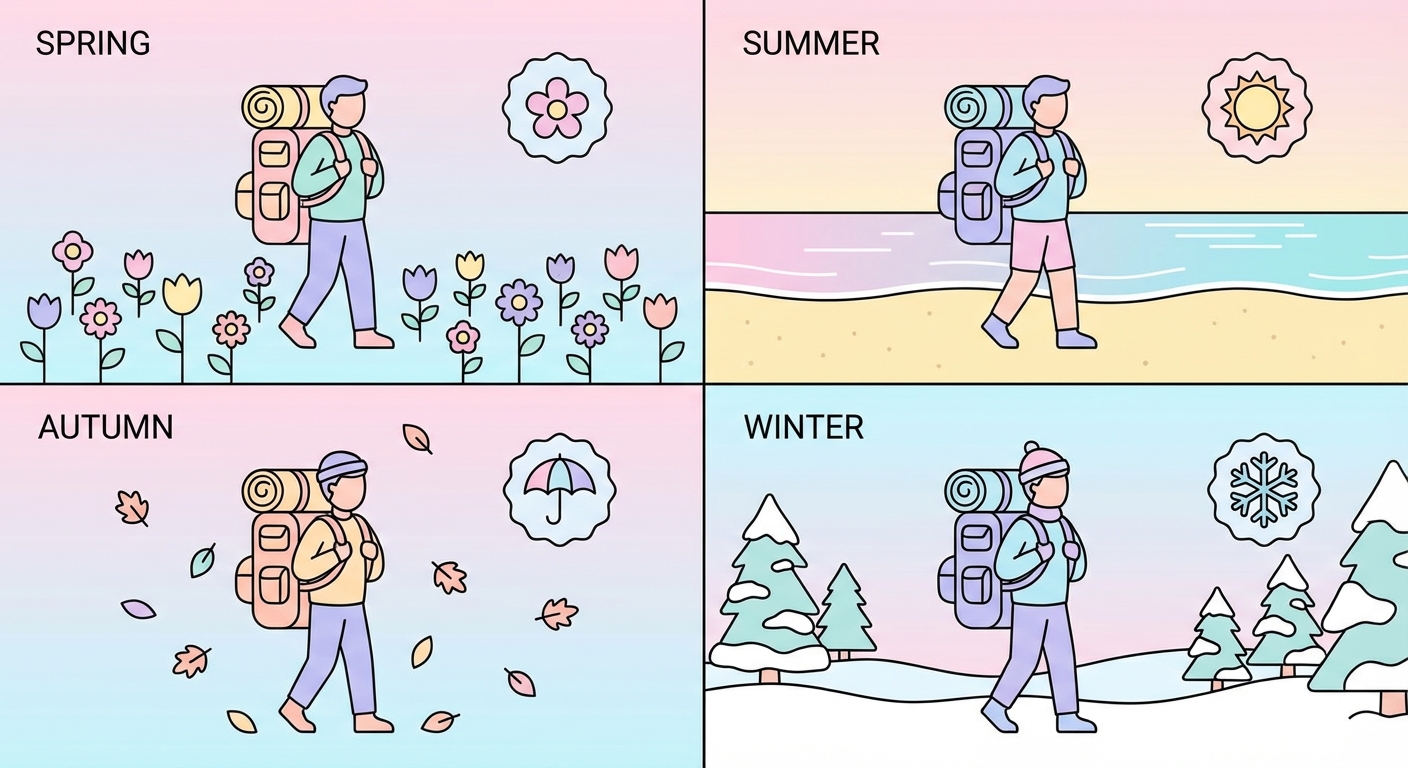
Summer is peak season in Croatia, and for good reason. From June through August, temperatures soar to 28–32°C (82–90°F), with long sunny days and virtually no rainfall. The Adriatic Sea reaches its warmest, around 25–27°C, making it perfect for swimming and water sports.
Expect vibrant energy across the coast. Dubrovnik's Old Town buzzes with tourists, beach clubs pulse with music, and islands like Hvar and Korčula overflow with visitors. Accommodation prices peak, and popular restaurants require reservations weeks in advance. However, this is also when major festivals occur—the Dubrovnik Summer Festival (July–August) features world-class theatre, opera, and dance performances in stunning outdoor venues.
Pro tip: July and August are the busiest months. If you prefer crowds but want slightly better prices and marginally fewer tourists, visit June or early September instead.
Shoulder Seasons: Spring and Autumn
April to May (Spring)
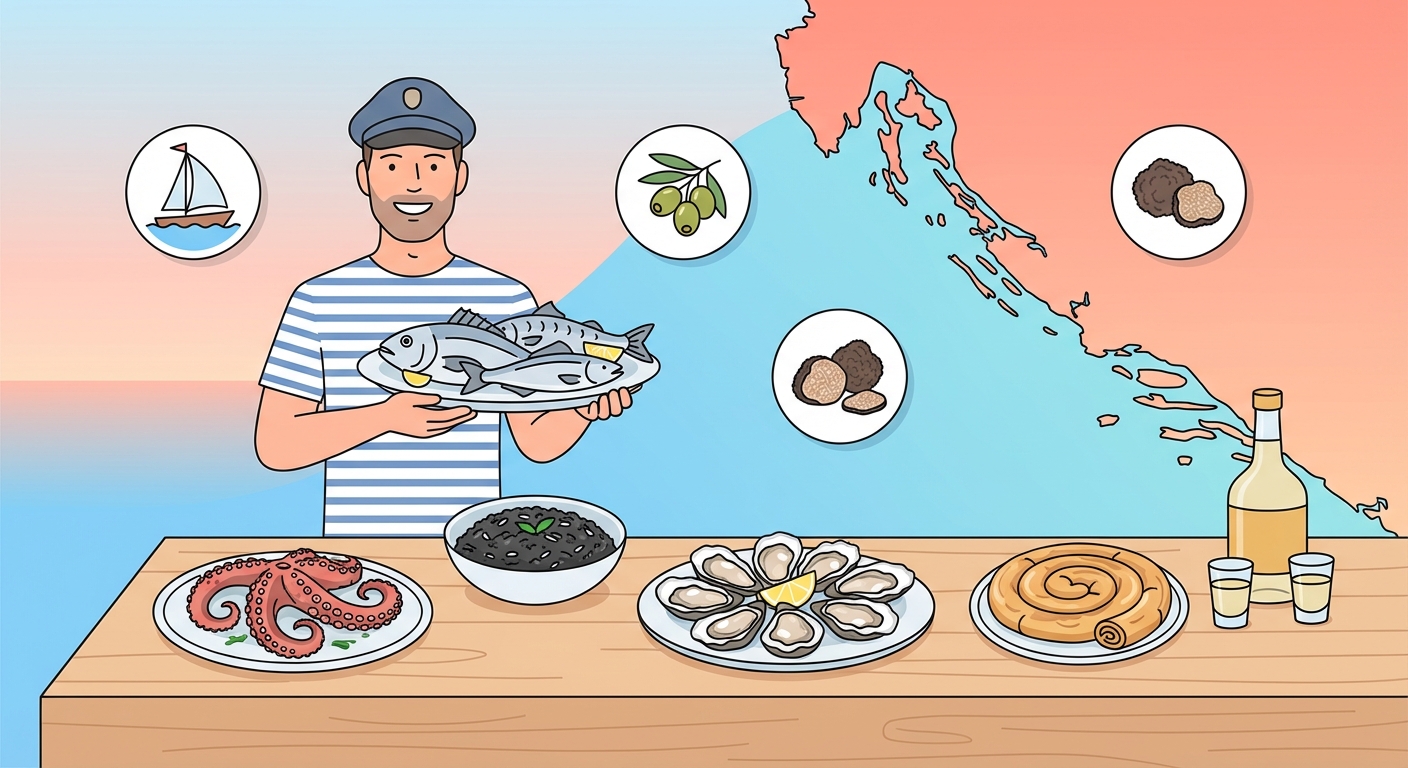
Spring arrives with mild temperatures between 15–22°C (59–72°F) and occasional showers. Wildflowers blanket the countryside, and local produce—asparagus, artichokes, and fresh seafood—reaches peak flavour. Tourist numbers remain manageable, and prices are 20–30% lower than summer.
This is ideal for exploring inland attractions like Plitvice Lakes, where cascading waterfalls flow with spring snowmelt, and the Istrian Peninsula's hilltop villages such as Motovun and Grožnjan. Wine lovers should time visits to match spring tastings at local vineyards.
September to October (Autumn)
Many consider autumn the best time to visit. Temperatures hover around 20–25°C (68–77°F), the sea remains swimmable at 21–23°C, and summer crowds thin significantly. Days are still long and sunny, though occasional rain appears by late October.
September hosts cultural events like Split Summer Festival and food-focused celebrations. October sees olive and grape harvests, offering opportunities to participate in agritourism experiences. Accommodation prices drop 30–40% compared to peak season, and you'll actually enjoy conversations with locals rather than fighting queues.
Winter Season: November to March
Winter temperatures range from 5–12°C (41–54°F), with rainfall concentrated in November and December. Coastal areas remain relatively mild, while inland regions experience occasional snow.
Winter transforms Croatia into a peaceful, introspective destination. Dubrovnik becomes genuinely atmospheric—you can explore marble streets without jostling crowds. Many coastal restaurants remain open, serving warming seafood stews and local wines. Northern regions like Zagreb offer Christmas markets, thermal spas, and winter activities.
The trade-off: Some island ferries operate on reduced schedules, and certain tourist attractions close temporarily. However, accommodation costs drop dramatically—expect 50–60% discounts compared to summer rates.
Month-by-Month Breakdown
- January–February: Coldest months; ideal for budget travellers and those seeking solitude. Thermal spas popular.
- March: Spring begins; wildflowers emerge. Easter celebrations are vibrant.
- April–May: Perfect weather, manageable crowds, fresh local produce, spring festivals.
- June: Warm days, fewer crowds than July–August, long daylight hours.
- July–August: Hottest, busiest season; ideal for beaches and major festivals.
- September: Still warm; crowds decrease; cultural events flourish.
- October: Beautiful autumn weather; harvest season; autumn festivals.
- November–December: Cool and wet; Christmas markets in northern regions; lowest prices.
Planning Practical Essentials
Regardless of when you visit, staying connected matters. Download offline maps before arrival, but having reliable mobile data is invaluable for translations, booking ferries between islands, and sharing your adventures. Consider purchasing an eSIM from uPhone before departure—it offers seamless connectivity across Croatia without the hassle of finding local SIM cards or dealing with roaming charges.