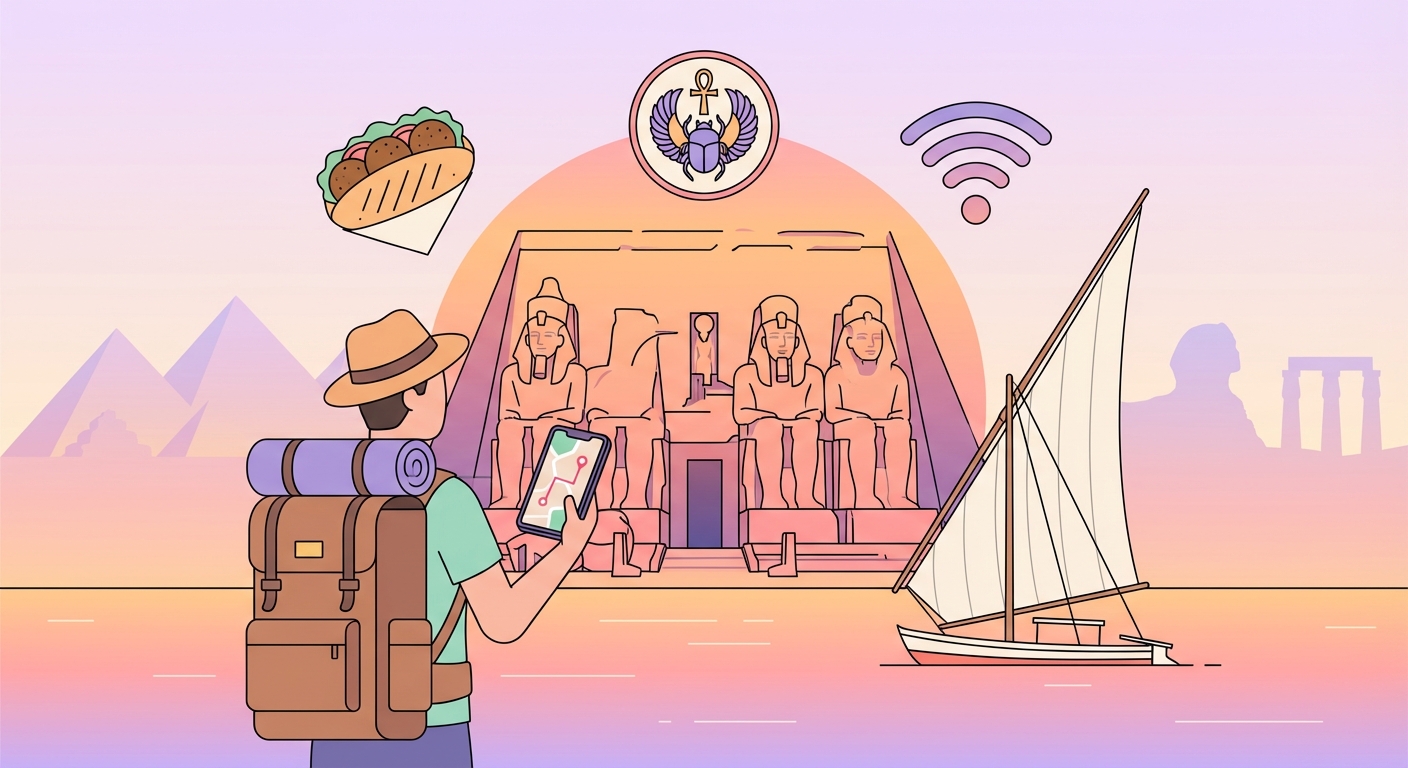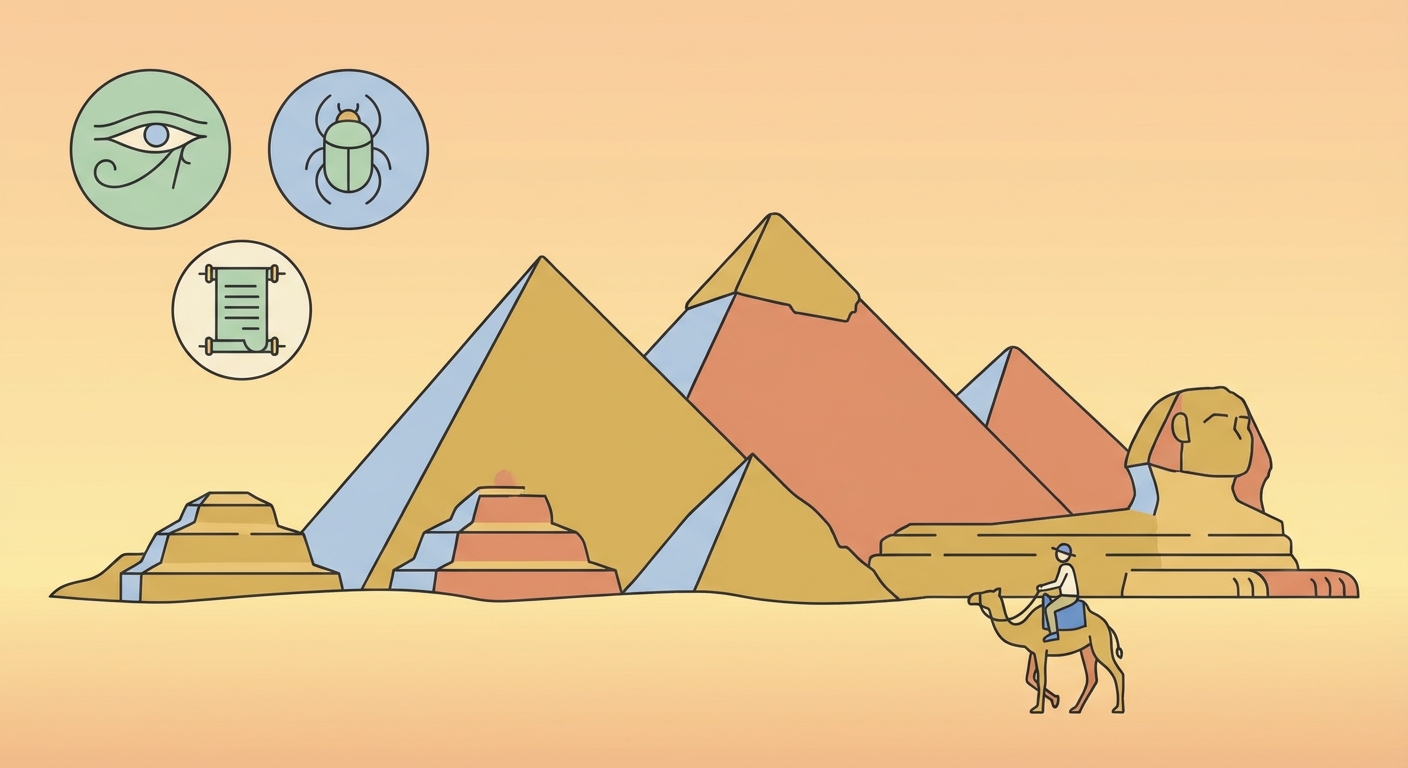
Egypt is a land of ancient wonders, vibrant cities, and transformative travel experiences. Whether you're exploring the pyramids of Giza, cruising the Nile, or wandering through Cairo's bustling markets, packing wisely makes all the difference. The Egyptian climate can be intense, cultural norms differ from Western countries, and reliable connectivity matters when navigating unfamiliar terrain. This guide covers everything you need to bring for a comfortable, safe, and well-prepared Egyptian adventure.
Clothing and Sun Protection
Egypt's desert climate demands smart clothing choices. Temperatures routinely exceed 35°C (95°F) during summer months, while winter (November to February) brings milder but still warm conditions. Pack lightweight, breathable fabrics like cotton and linen that allow air circulation and dry quickly.
- Long, loose-fitting shirts and trousers protect your skin from intense sun exposure and show respect in conservative areas, especially when visiting mosques or religious sites
- A lightweight scarf or shawl is essential—it shields you from sun, provides modesty in sacred spaces, and works as a beach cover-up
- Comfortable walking shoes are non-negotiable; you'll spend hours exploring temples, tombs, and archaeological sites on uneven terrain
- Sandals or flip-flops for casual moments and beach time
- A wide-brimmed hat or baseball cap to shield your face and eyes
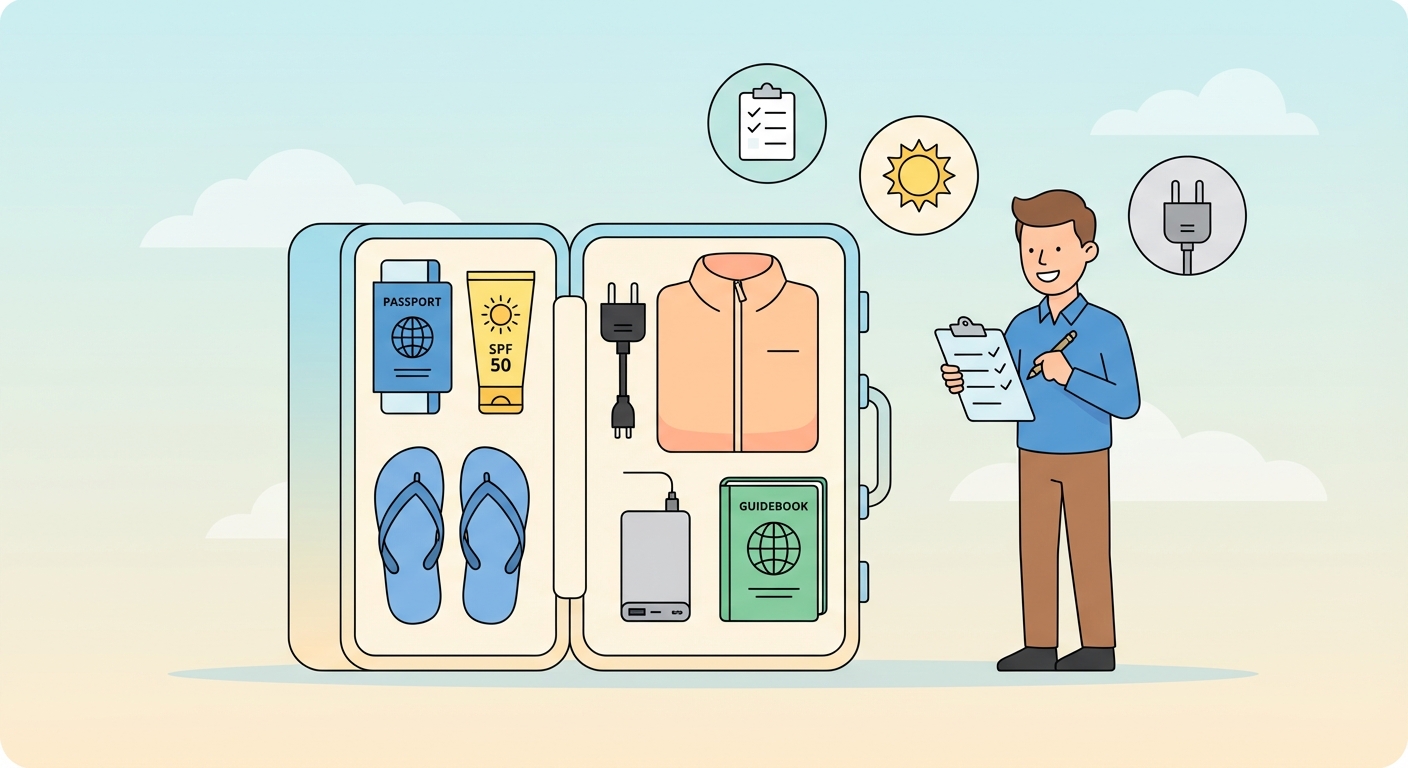
- High-SPF sunscreen (SPF 50+) and sunglasses with UV protection
- A light cardigan or jacket for over-air-conditioned hotels and cooler evenings
Avoid revealing clothing like shorts above the knee, sleeveless tops, and transparent fabrics. While tourist areas are more relaxed, respecting local customs enhances your experience and interactions with residents.
Essential Documents and Adapters
Preparation in this category prevents headaches at borders and ensures smooth travels throughout your trip. Egypt requires a visa for most nationalities, which you can obtain on arrival or beforehand through the Egyptian embassy.
- Valid passport with at least six months validity beyond your departure date
- Visa documentation (tourist visa, entry stamp receipt, or e-visa confirmation)
- Travel insurance documents—comprehensive coverage is strongly recommended for medical emergencies and trip cancellations
- Photocopies of your passport, visa, and travel insurance kept separately from originals
- Credit cards, debit cards, and some Egyptian pounds (EGP) for small vendors and tips
- Universal power adapter for Egyptian outlets (220V, Type C and F plugs)
- Portable phone charger or power bank
For staying connected, an eSIM from uPhone is far more convenient than hunting for local SIM cards at Cairo airport or dealing with expensive international roaming charges. You can activate it before departure and enjoy instant data access for navigation, translation apps, and staying in touch with loved ones back home.
Health and Hygiene Essentials
Healthcare quality varies across Egypt, with excellent facilities in Cairo and basic services in remote areas. Preparation is key.
- Prescription medications in original containers with doctor's letters explaining medical necessity
- Over-the-counter medications: antihistamines, ibuprofen, antacids, and anti-diarrheal tablets
- Travel-sized first aid kit with bandages, antiseptic cream, and pain relief
- Antimalarial medication (consult your doctor—malaria risk exists in southern regions)
- Vaccination records, particularly for hepatitis A and typhoid
- Insect repellent containing DEET for mosquito protection
- High-quality water purification tablets or portable filter bottle
- Toiletries: deodorant, feminine hygiene products, and quality sunscreen (difficult to find locally)
- Prescription glasses or contact lens supplies if needed
Drink only bottled water, avoid ice in beverages, and be cautious with street food despite its incredible appeal. Stick to busy vendors at busy times for freshly prepared items like koshari and ful medames.
Practical Gear and Final Tips
A quality daypack distributes weight comfortably during museum visits and desert exploration. Bring a lightweight, packable daypack or small backpack for daily excursions. A dry bag or waterproof case protects electronics during Nile boat trips and beach visits.
Consider modest sleepwear, quick-dry clothing, and a travel-size laundry detergent for longer stays. Most hotels offer laundry services, but it can be pricey. Finally, respect local customs,