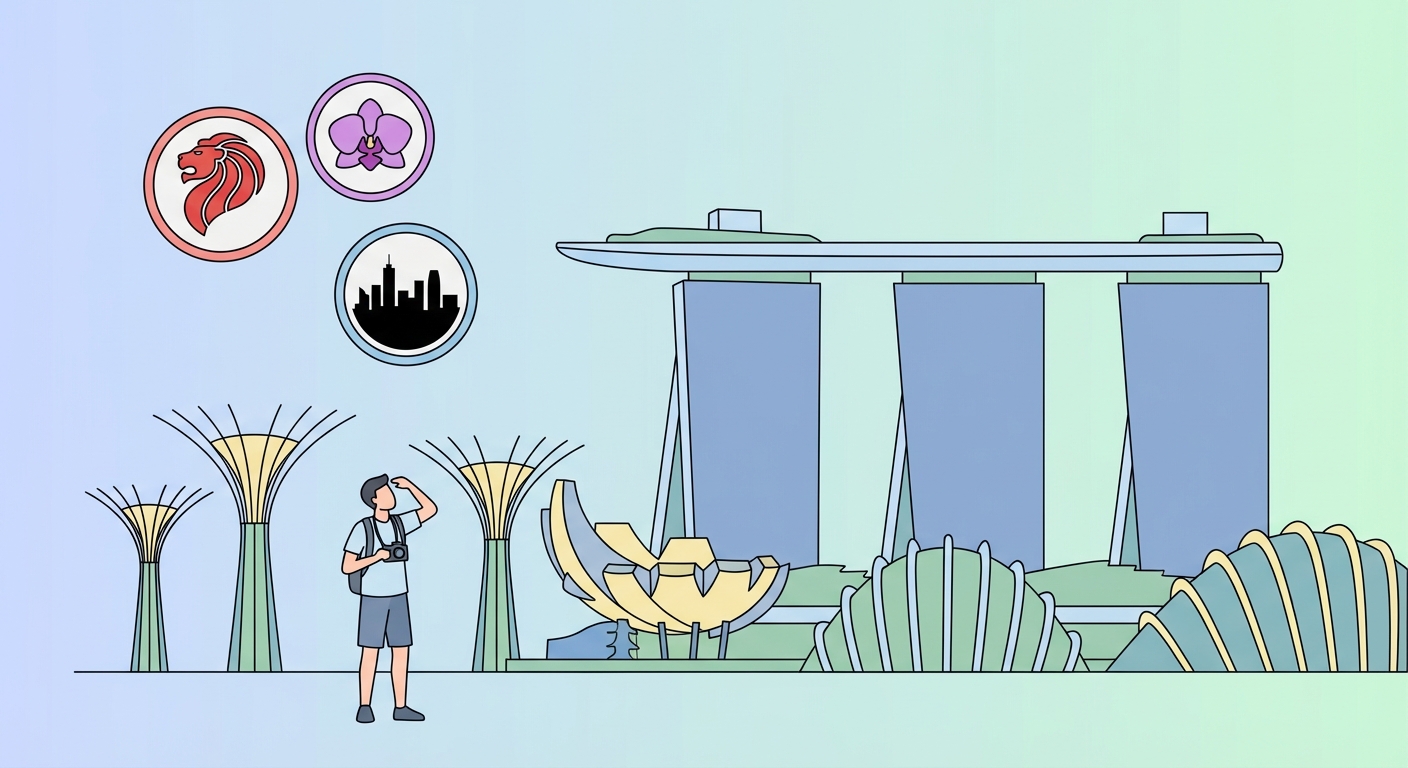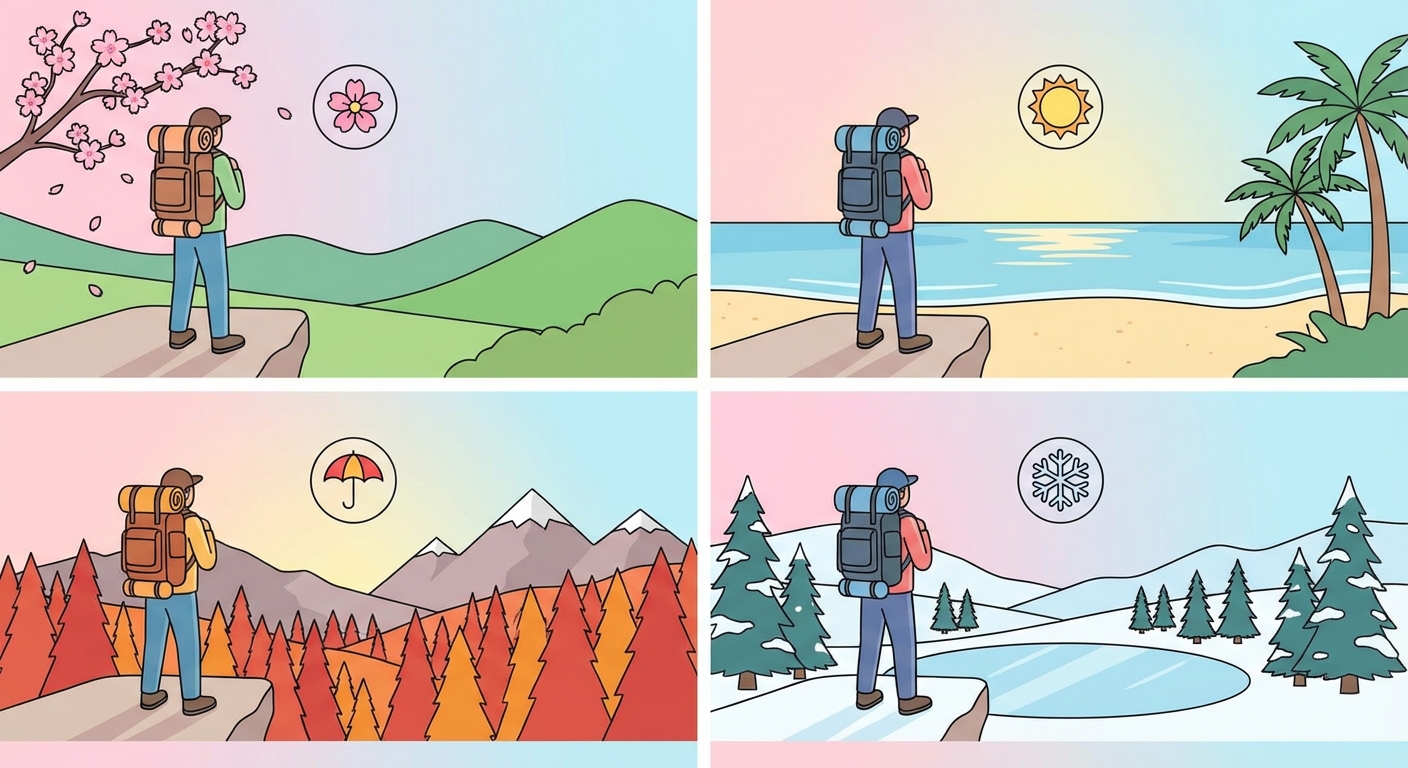
Singapore is a year-round destination, but understanding its seasons, festivals, and weather patterns will help you plan the perfect trip. This tropical city-state experiences warm temperatures and high humidity throughout the year, yet each month brings distinct characteristics that affect everything from rainfall to crowd levels. Whether you're chasing clear skies or immersing yourself in vibrant festivals, this guide reveals what to expect month by month and how to time your visit for the best experience.
Weather Patterns and Seasons
Singapore's climate is tropical, meaning it's hot and humid year-round with temperatures typically ranging between 24°C and 32°C (75°F to 90°F). The country experiences two main monsoon seasons that influence rainfall patterns rather than creating distinct warm and cold seasons.
The Northeast Monsoon runs from December to March, bringing occasional showers and slightly cooler temperatures. This is generally considered the drier season, though mornings and evenings may be wet. The Southwest Monsoon occurs from June to September, with heavier rainfall and more frequent thunderstorms, typically in the afternoons.
April, May, October, and November are transitional months with moderate rainfall and unpredictable weather patterns. Despite the monsoons, Singapore's efficient drainage systems mean you'll rarely experience flooding in tourist areas. Pack a lightweight rain jacket or umbrella regardless of when you visit, and stay connected with real-time weather updates by using an eSIM from uPhone—it ensures you have instant access to weather alerts and travel information without expensive roaming charges.
Month-by-Month Breakdown
December to February: Peak Season
This is Singapore's busiest season, with the driest weather and coolest temperatures (around 24-26°C). Hotels and attractions are crowded, especially around Christmas and New Year, and prices are at their highest. If you visit during this period, book accommodations well in advance. Mid-January through early February offers slightly fewer crowds than December.
March to May: Shoulder Season
March remains relatively dry and pleasant, making it an excellent time to visit with fewer crowds than peak season. April and May grow progressively hotter and more humid, with occasional afternoon showers. Tourist numbers drop noticeably, and hotel rates decrease, offering great value for budget-conscious travelers.
June to August: Monsoon Season
Expect frequent afternoon thunderstorms and higher humidity during these months. However, mornings are often clear, and the rain rarely lasts long. Hotels and attractions are less crowded, with competitive pricing. This is ideal if you don't mind occasional rain and prefer a quieter experience. Many locals take vacations in early August, so expect slightly increased crowds mid-month.
September to November: Return of Rain
September and October experience intermittent heavy rainfall as the monsoon transitions. November begins to dry out, with improving weather toward month's end. Tourist numbers remain moderate with reasonable hotel rates. Late November is particularly pleasant as humidity decreases and dry weather returns.
Major Festivals and Events
- Chinese New Year (January/February): Vibrant celebrations across Chinatown with decorations, lion dances, and festive foods like pineapple tarts and yusheng.
- Thaipusam (January/February): Hindu festival at Sri Thendayuthapani Temple featuring devotional processions and spiritual rituals.
- Hari Raya Aidilfitri (April/May): Islamic celebration with beautiful decorations in Geylang and special meals like ketupat and rendang.
- Singapore Food Festival (July): Month-long celebration of local cuisine with special menus at hawker centres and restaurants.
- National Day (August 9): Patriotic festivities including fireworks at Marina Bay and parades throughout the island.
- Deepavali (October/November): Festival of lights celebrated in Little India with colorful decorations and traditional sweets.
- Christmas (December): Orchard Road transforms into a winter wonderland with elaborate displays and festive shopping.
Peak vs. Off-Peak Travel: What to Expect
Peak season (December-February) offers the best weather but comes with higher prices, crowded attractions, and longer queues at popular sites like Marina Bay Sands and Gardens by the Bay. Off-peak months (June-September) provide cheaper accommodations, shorter wait times, and a more authentic local experience, though afternoon rain is common.
For flexible travelers, visiting in March, May, or November strikes the perfect balance—pleasant weather, manageable crowds, and reasonable prices. Regardless of when you travel, having a reliable eSIM ensures you can download offline maps, book last-minute attractions, and share your experiences instantly.