Canada's vast landscapes—from the rocky peaks of Banff to the coastal shores of Vancouver—demand thoughtful packing. Whether you're chasing the Northern Lights in Yellowknife, exploring Niagara Falls, or hiking through Jasper National Park, preparation is key to a comfortable journey. This guide covers everything you need to pack for a memorable Canadian adventure.
Clothing Essentials for Changing Seasons
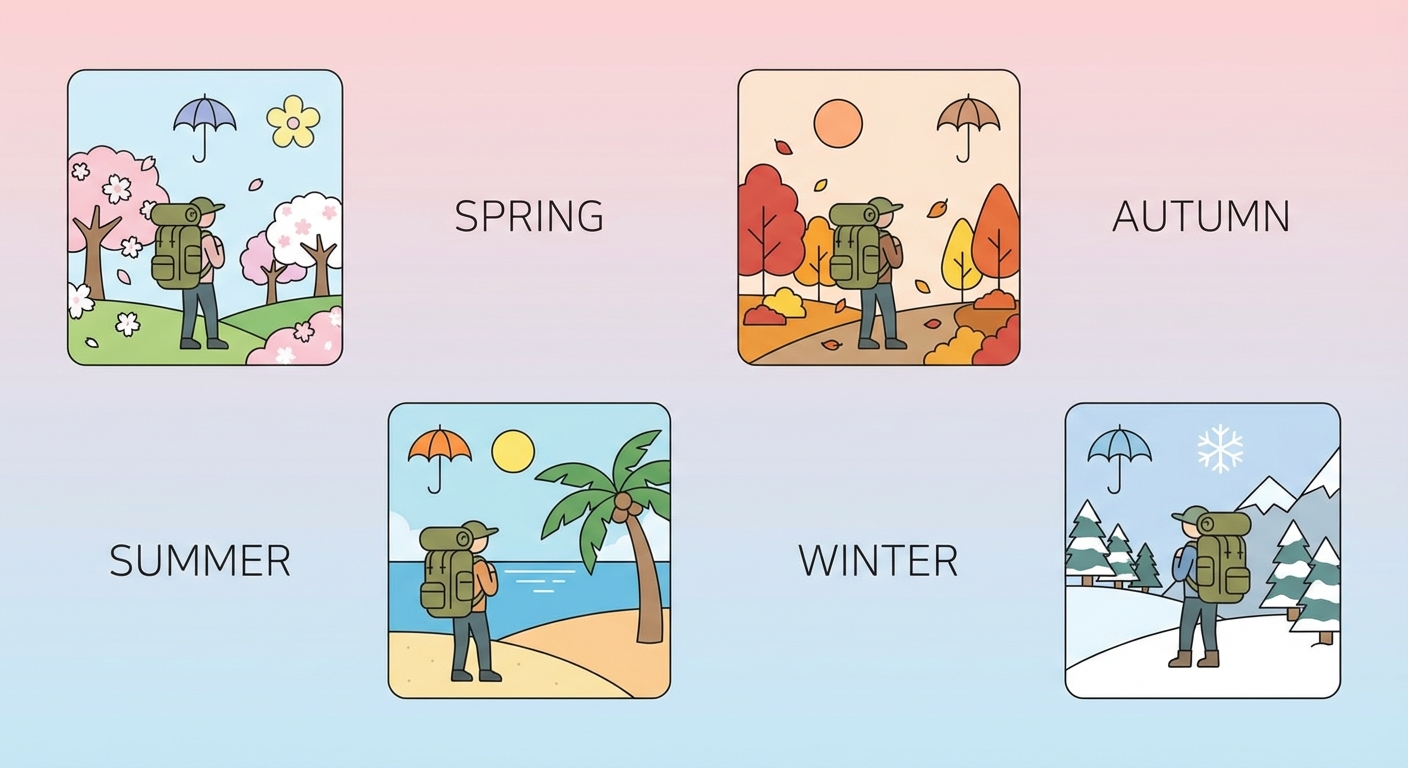
Canada's weather varies dramatically by region and season. Pack layers to adapt to temperature shifts throughout the day, especially in mountain areas where mornings are crisp and afternoons warm.
Winter Travel (November–March)
- Insulated winter jacket rated for -20°C or lower
- Thermal base layers (merino wool or synthetic materials)
- Waterproof snow boots with good traction
- Warm hat, insulated gloves, and thick socks
- Scarf or balaclava to protect your face
Summer and Fall Travel (April–October)
- Lightweight, moisture-wicking clothing
- A warm fleece or sweater for cooler evenings
- Waterproof jacket for sudden rain showers
- Comfortable hiking boots for outdoor exploration
- Sun hat and sunglasses for protection
Regardless of season, avoid cotton when hiking—it retains moisture. Choose synthetic or wool alternatives that dry quickly and provide insulation even when damp.
Gear and Outdoor Equipment
Canada's natural attractions reward adventurous travelers. Pack appropriate gear for the activities you plan to enjoy.
- Hiking gear: A comfortable backpack (20–30 liters), sturdy hiking boots, and moisture-wicking socks. Popular trails like the Lake Louise Shoreline Walk and Johnston Canyon require proper footwear.
- Camera equipment: Bring a camera or smartphone with extra batteries. Northern lights photography in places like Whitehorse and aurora-viewing locations demand reliable devices.
- Water bottle: Canada has excellent tap water. Pack a reusable bottle to stay hydrated during long sightseeing days in cities like Toronto and Montreal.
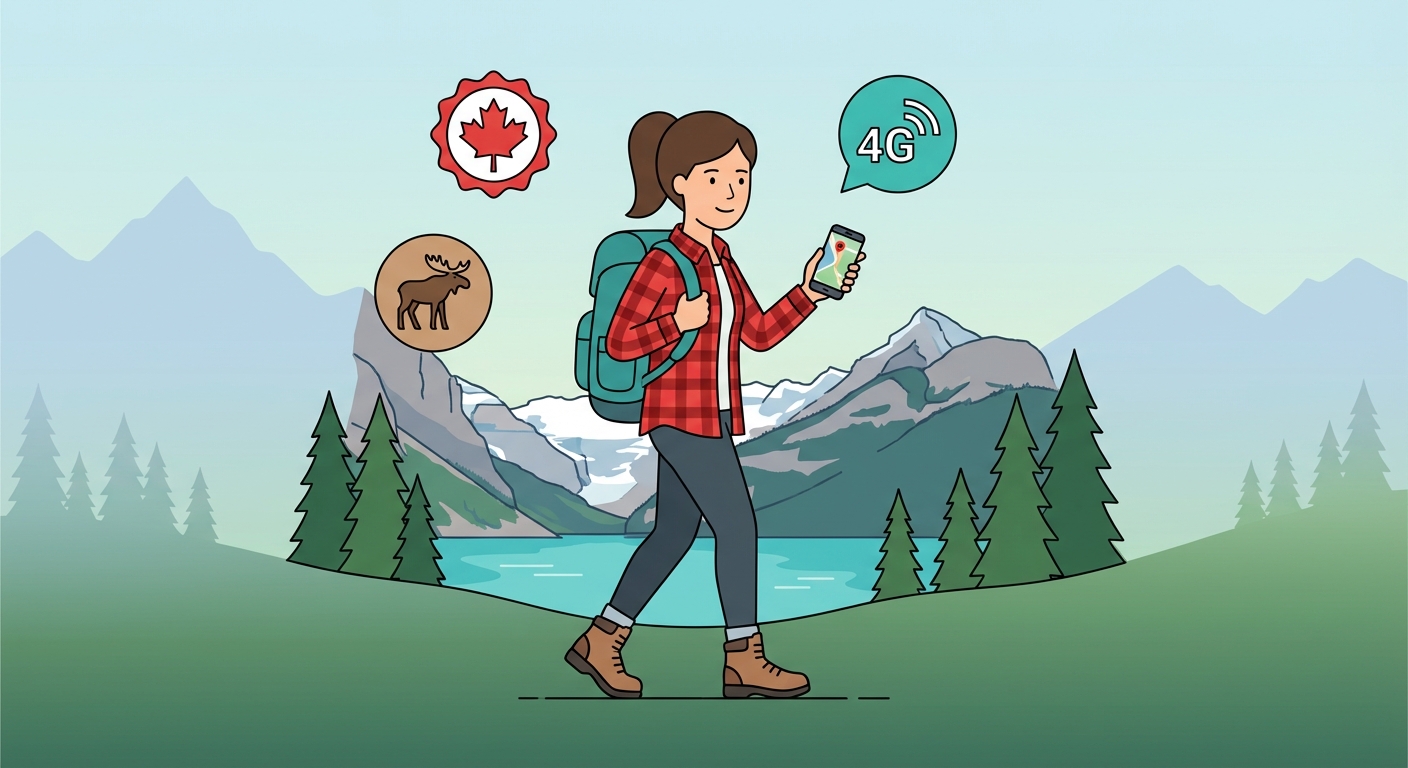
- Portable charger: Essential for keeping devices powered, especially when traveling between remote areas. Pair this with an eSIM from uPhone to maintain constant connectivity while exploring. With uPhone's coverage across Canada, you'll have reliable data to download maps, check trail conditions, and share your adventure instantly.
- Daypack: A smaller backpack for day trips to attractions like the CN Tower or Butchart Gardens in Victoria.
Documents and Travel Necessities
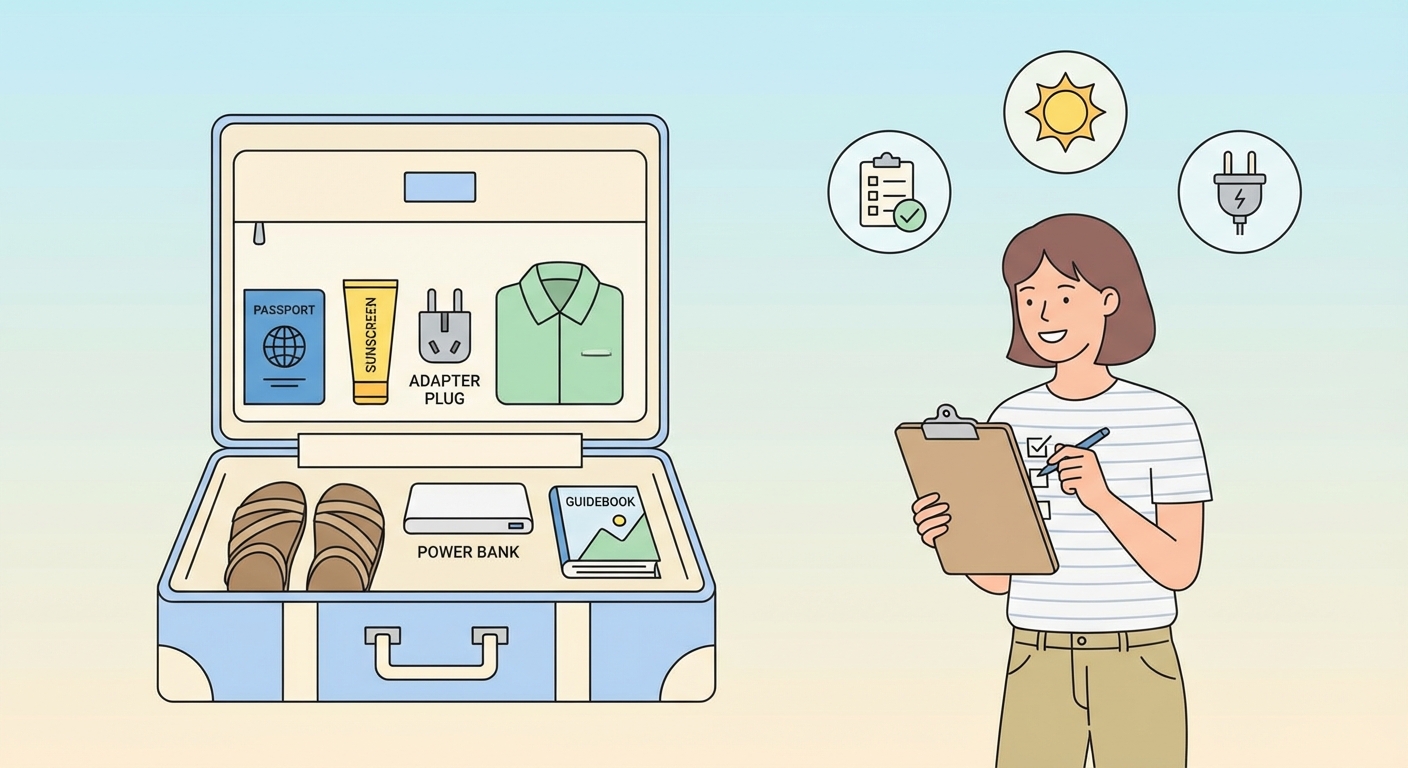
Before departing, ensure you have all required documents and important items organized.
- Valid passport (with at least 6 months validity)
- Travel insurance documentation (highly recommended)
- Copies of important documents stored separately
- International driving permit if planning to rent a car
- Credit cards and some Canadian currency (CAD). Major cities accept cards widely, but smaller towns and rural areas may require cash.
- Travel adapters for North American outlets (Type A and B plugs)
Keep digital copies of documents in cloud storage for backup access. This proves invaluable if physical copies are lost or damaged during your trip.
Health Items and Practical Tips
Canada's healthcare system is excellent, but being prepared prevents inconveniences.
Health and Medications
- Prescription medications in original bottles with labels
- Basic first-aid supplies: bandages, pain relievers, antihistamines
- Sunscreen with high SPF (especially for mountain regions)
- Insect repellent for summer travel, particularly in northern areas
- Over-the-counter cold and allergy medications
Final Packing Tips
- Check weather forecasts for your specific destination before finalizing your packing list.
- Pack an extra pair of socks and underwear in your carry-on for unexpected delays.
- Wear your bulkiest items during travel to save luggage space.
- Leave room for souvenirs—Canadian maple syrup, Indigenous art, and local crafts make wonderful mementos.
With thoughtful preparation and the right gear, you'll be ready to experience Canada's stunning landscapes and vibrant cities