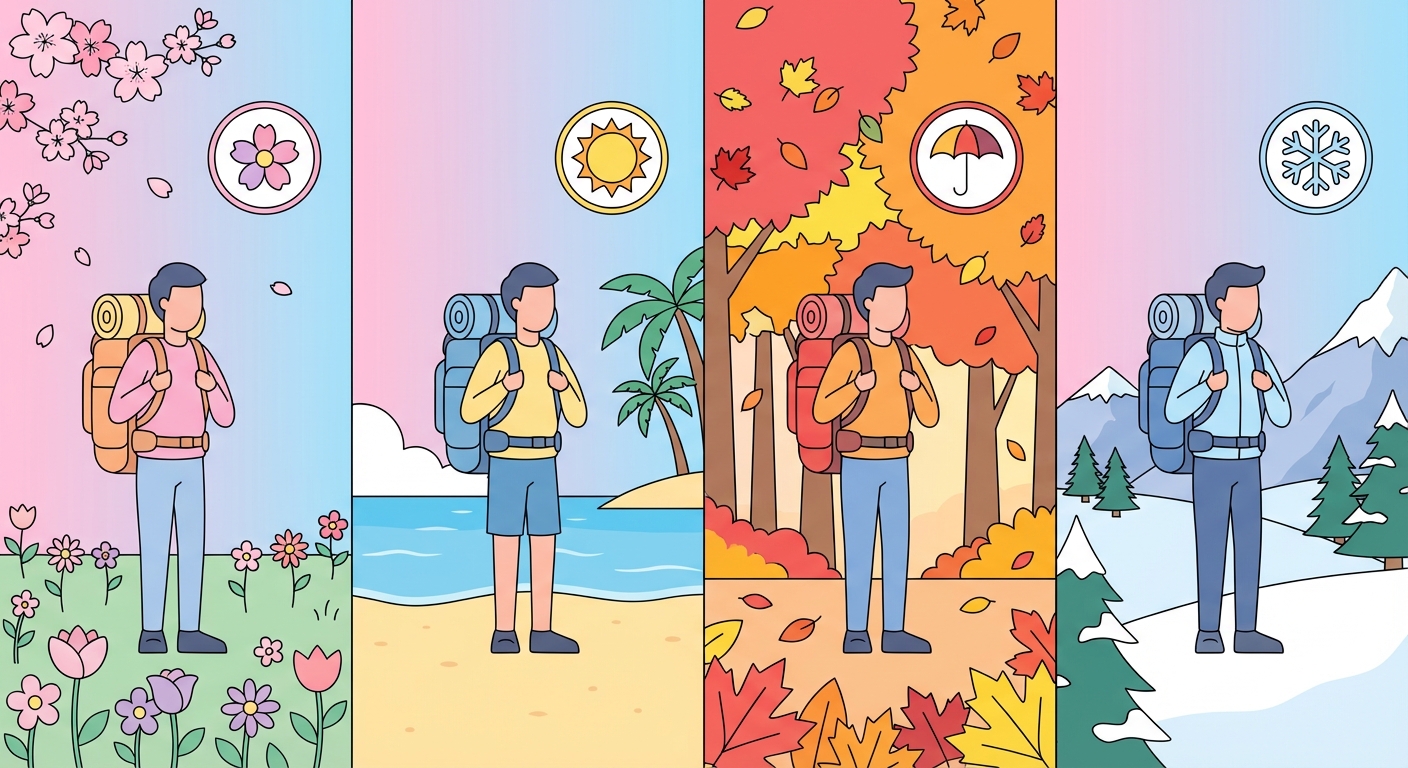
South Africa is a year-round destination with dramatically different experiences depending on when you visit. From whale watching on the Cape coast to safari game drives in Kruger, the country's climate and seasonal attractions mean your timing can make or break your trip. Understanding what each season brings—and when crowds peak—helps you plan the perfect South African adventure.
Summer (December to February)
South Africa's summer is hot, humid, and lively. Temperatures soar to 25-35°C (77-95°F), with occasional heavy rains in December and January. It's peak holiday season, so expect crowded beaches, fully booked accommodations, and higher prices across the board.
December brings festive energy to Cape Town and coastal towns, with outdoor markets, beach parties, and New Year celebrations. January and February see families on school holidays flooding popular destinations like the Garden Route and Kruger National Park. Wildlife viewing can be challenging due to thick vegetation, though birdwatchers love this season for migratory species.
If you visit during summer, book accommodation well in advance. Pack light, breathable clothing, high SPF sunscreen, and stay hydrated. The heat makes exploring cities like Johannesburg or Pretoria more taxing—plan activities for early morning or late afternoon.
Autumn (March to May)
Autumn is arguably South Africa's best-kept secret. Temperatures cool to a pleasant 15-25°C (59-77°F), humidity drops, and the crowds thin significantly. March and April offer excellent value for money, with better rates on flights and hotels.
This season is ideal for safari enthusiasts. Wildlife concentrates around water sources during the dry months, making animal sightings in Kruger and private reserves increasingly reliable. The landscape remains green and vibrant, unlike the parched winter bush.
Wine harvest season (February-March) in Stellenbosch and Franschhoek brings harvest festivals and cellar tastings. Hiking becomes more enjoyable as temperatures moderate—the Drakensberg Mountains and Cape's Twelve Apostles are spectacular.
May marks the transition into winter, with some rain possible but generally manageable weather for exploring Cape Town, the Winelands, and the Garden Route.
Winter (June to August) and Whale Season
Winter is dry, cool (8-18°C or 46-64°F), and brings the clearest skies. It's peak safari season—vegetation is sparse, water holes are critical, and big five sightings are frequent. Kruger National Park, Sabi Sands, and the Serengeti's South African sections offer exceptional game viewing.
June to November is whale season on the Western Cape coast. Southern right whales migrate to breeding grounds near Hermanus, creating one of the world's best land-based whale-watching experiences. Book whale-watching tours early; July and August see peak activity but also peak crowds.
Winter in Cape Town brings crisp, clear days perfect for hiking Table Mountain or exploring the V&A Waterfront. However, pack layers and waterproof jackets—rain and cold fronts can arrive suddenly.
Accommodation fills quickly during school holidays (mid-July) and peak whale season. This is the most expensive time to visit, but wildlife enthusiasts consider it worth every penny.
Spring (September to November)
Spring brings warming temperatures (15-25°C or 59-77°F), stunning wildflower blooms, and moderate crowds. September is ideal for hiking the Table Mountain trails or exploring the Drakensberg, with vibrant spring flowers creating Instagram-worthy backdrops.
Whale season continues through November, though numbers decline. Spring is excellent for the Garden Route's hiking, with waterfalls flowing strong and weather generally cooperating.
October and November represent a sweet spot: pleasant weather, reasonable prices, and manageable crowds before the December holiday rush.
What to Pack Across Seasons
- High SPF sunscreen and sunglasses year-round—the African sun is intense
- An eSIM from uPhone for reliable connectivity across remote areas like the Kruger Park and Garden Route, so you can share photos and access maps without roaming charges
- Layers for temperature fluctuations, especially in winter
- Binoculars for safari and whale watching
- Comfortable walking shoes for exploring cities and hiking trails
South Africa rewards flexible travelers willing to explore during shoulder seasons. Autumn offers the best balance of wildlife, weather, and value, while winter delivers unbeatable safari and whale watching. Whatever season you choose, you'll experience one of Africa's most diverse and captivating destinations.