The United States spans multiple climate zones and time zones, making it a year-round destination with something to offer every season. Whether you're chasing autumn foliage in New England, winter snow sports in Colorado, spring blooms in Washington D.C., or summer beach days in California, timing your visit strategically can transform your experience. Understanding when to travel, what to expect weather-wise, and which festivals align with your interests will help you plan the perfect American adventure.
Seasonal Weather Patterns and What to Pack
The United States experiences four distinct seasons, though intensity varies dramatically by region. Spring (March–May) brings mild temperatures across most of the country, with highs ranging from 60–75°F in northern regions and 75–85°F in the South. Expect occasional rain, especially in April and May. Summer (June–August) is warm to hot everywhere, with temperatures soaring above 85°F in the Southwest and reaching 95°F+ in Arizona and Texas. Humidity intensifies in the Southeast and Midwest.
Fall (September–November) offers some of the year's most pleasant weather—crisp mornings, comfortable afternoons, and lower humidity. Temperatures range from 50–70°F, and foliage peaks in October. Winter (December–February) varies wildly: the Pacific Northwest stays mild at 40–50°F, while the Northeast, Midwest, and Mountain West experience snow and freezing temperatures (often dropping below 20°F). Southern states like Florida and Southern California remain warm year-round, typically staying above 65°F even in winter.
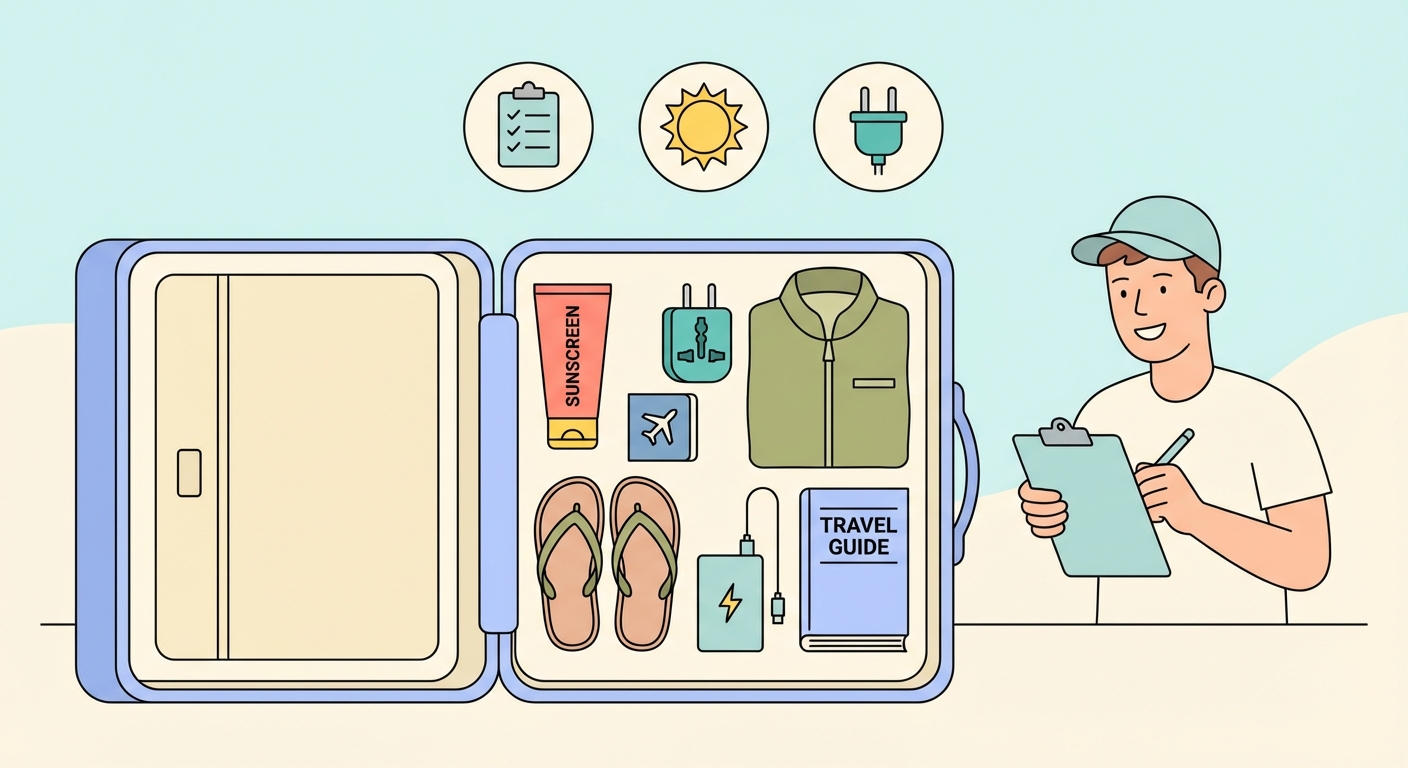
Pack layers regardless of season. Bring waterproof outerwear for spring and fall, cooling clothing for summer, and heavy insulation for winter travel to northern states. A universal power adapter and an eSIM from uPhone will keep you connected with reliable data wherever you wander—essential for navigation, translation apps, and sharing those stunning landscape photos in real time.
Peak Season vs. Off-Peak: Timing and Crowds
Peak season runs June through August and around major holidays (Thanksgiving, Christmas, New Year's). Expect crowded national parks, higher hotel rates, and long wait times at popular attractions. Summer is ideal if you love warm weather, but you'll pay premium prices and compete for parking at Yellowstone or the Grand Canyon.
Shoulder seasons (late May and September–early October) offer the sweet spot: comfortable weather, smaller crowds, and moderate pricing. Fall is particularly magical—think New Hampshire's blazing maple leaves or the Smoky Mountains in Tennessee, both nearly empty by early November.
Off-peak (November–March, excluding holidays) brings fewer tourists, lower accommodation costs, and authentic local experiences. Winter is perfect for skiing in Colorado or Utah, while Southern destinations like Miami and Charleston are wonderfully quiet and affordable in February. However, northern regions experience unpredictable weather and some attractions have reduced hours.
Month-by-Month Guide and Festival Highlights
January–February: Winter sports dominate Aspen and Lake Tahoe. Mardi Gras explodes in New Orleans in February. Expect snow in the North; warmth in Florida and Arizona.
March–April: Cherry blossoms peak in Washington D.C. (early April). Spring warmth arrives nationwide. Easter holidays bring crowds mid-April.
May: Memorial Day weekend launches summer travel. Wildflowers bloom in Texas hill country. Weather is reliably pleasant coast-to-coast.
June–August: Peak season. Fourth of July fireworks light up every town. Summer festivals include Bonnaroo (Tennessee), Outside Lands (San Francisco), and countless county fairs. Beaches overflow; parks require early arrival.
September–October: Labor Day marks summer's end. Fall foliage peaks in New England and the Appalachians mid-October. Halloween festivities energize major cities and small towns alike.
November–December: Thanksgiving brings family travel surges. Holiday lights and markets flourish nationwide from late November through December. Snow arrives in the North; mild weather in the South.
Planning Your Perfect Trip
Choose your season based on weather preferences, festival interests, and budget tolerance. Budget travelers should visit November–March (excluding holidays); those seeking perfect weather should target May or September–October. Families with school schedules are locked into summer and winter breaks.
Book accommodations three months ahead for peak season, one month for shoulder season. Download offline maps and secure an eSIM from uPhone before arrival to avoid roaming charges and ensure seamless navigation through remote areas and bustling cities alike.
The United States rewards flexible travelers with unforgettable experiences at any time of year.