Canada is a vast country of stunning contrasts, where your ideal travel time depends entirely on what you want to experience. From vibrant autumn colors in the Maritimes to the winter wonderland of Banff, each season unveils a different face of this magnificent nation. Whether you're chasing the Northern Lights, hiking through wildflower meadows, or enjoying frost-covered landscapes, timing your visit strategically will maximize your adventure and your budget.
Canada's Seasonal Overview
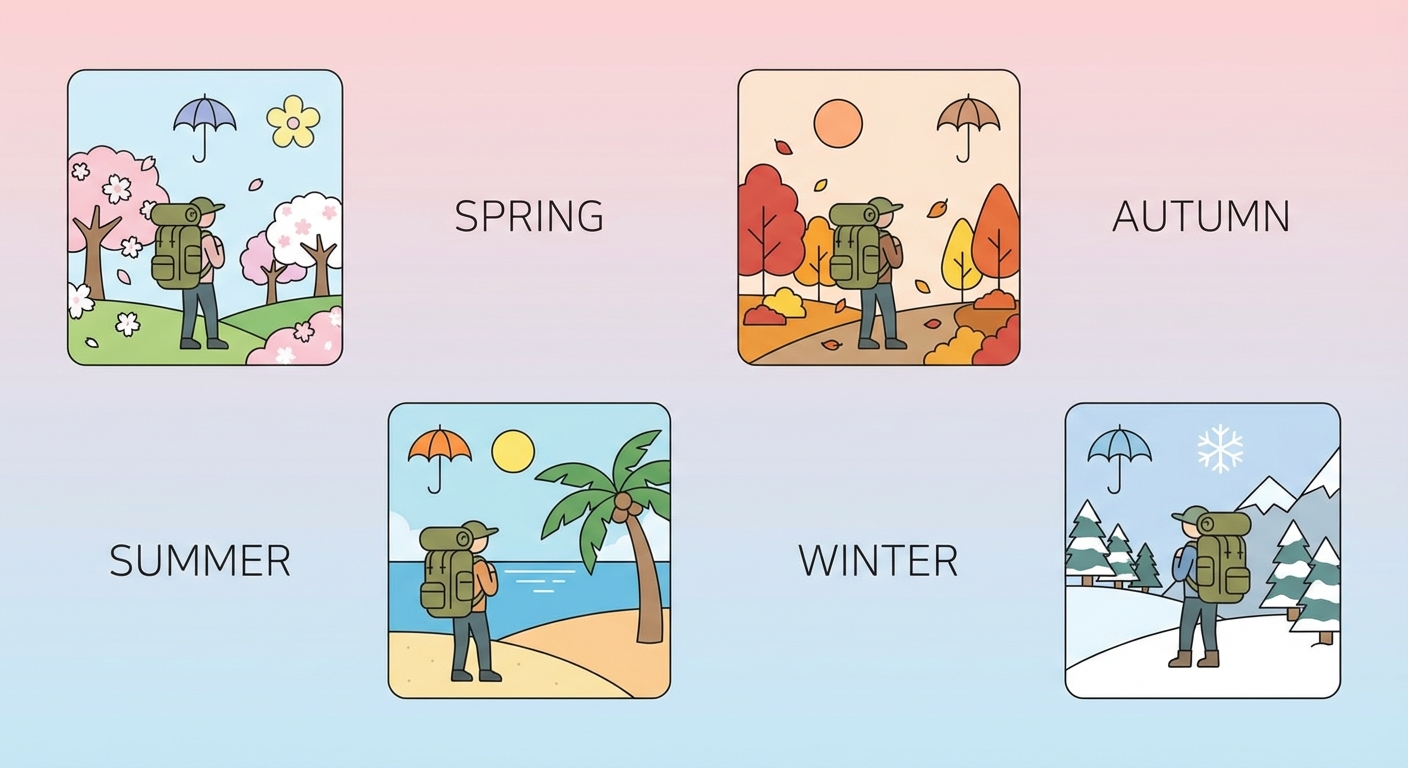
Canada experiences four distinct seasons, each offering unique attractions and weather conditions. Spring (March–May) arrives late but brings rapid change. Temperatures climb from near-freezing to comfortable 15–20°C (59–68°F). Migratory birds return, waterfalls swell with snowmelt, and national parks begin opening trails. However, some mountain roads remain closed into late May.
Summer (June–August) is Canada's warmest season, with temperatures ranging from 20–25°C (68–77°F) in most regions. This is peak travel time—expect crowds and higher prices. Days are extraordinarily long; in northern areas like Yellowknife, you'll experience the midnight sun. It's ideal for camping, hiking, and exploring coastal regions.
Fall (September–October) transforms landscapes into brilliant reds and golds, particularly in Ontario and Quebec. Temperatures drop to 10–15°C (50–59°F), and crowds thin considerably. This shoulder season offers excellent value and weather. The autumn migration also brings incredible wildlife viewing opportunities.
Winter (November–February) blankets much of Canada in snow, creating perfect conditions for skiing, snowshoeing, and Northern Lights viewing. Temperatures plummet to –5 to –15°C (23–5°F) or colder in the north. While challenging, winter travel rewards visitors with unforgettable experiences and significantly lower accommodation rates.
Month-by-Month Travel Guide
January–February: Winter Wonderland & Northern Lights
Perfect for aurora hunters and ski enthusiasts. Banff and Lake Louise offer world-class skiing. Yellowknife in the Northwest Territories is your Northern Lights epicenter, with clear, cold nights maximizing visibility. Pack serious winter gear and book accommodations early.
March–April: Spring Awakening
Maple syrup season peaks in Quebec—visit sugar shacks for traditional tasting experiences. Montreal and Toronto become increasingly walkable as snow melts. However, weather remains unpredictable; pack layers.
May–June: Shoulder Season Gold
Late May through June offers perfect hiking weather. Wildflowers carpet meadows in the Rocky Mountains. The Annapolis Valley in Nova Scotia bursts with blooming apple orchards. National parks are fully accessible, and prices haven't reached summer peaks.
July–August: Peak Season Adventure
All attractions operate at full capacity. Jasper National Park's glaciers are accessible, and the Canadian prairies shimmer in golden light. Coastal British Columbia and Prince Edward Island draw beach enthusiasts. Book everything in advance; accommodation fills quickly.
September–October: Autumn Colors & Lower Crowds
This is arguably the best time to visit. Fall foliage in Muskoka and the Laurentians is spectacular. Weather is crisp and clear, perfect for photography. Hotel rates drop 20–30% compared to summer. Fewer visitors mean shorter lines at attractions like Niagara Falls.
November–December: Winter Sports & Festive Charm
Ski resorts open fully by early December. Christmas markets appear in Vancouver, Calgary, and Ottawa. Winter storms can disrupt travel, so build in buffer days.
Peak vs. Off-Peak Considerations
Peak season (July–August) offers the best weather but comes with 40–50% higher hotel prices and crowded attractions. Fall and spring represent sweet spots—excellent weather with moderate pricing and manageable crowds. Winter offers the lowest rates but requires specialized gear and driving skills.
Planning Your Canadian Journey
Consider your interests first. Outdoor enthusiasts should visit May through September when trails are snow-free. Winter travelers need experience with cold-weather activities. Summer is safest for families with young children.
Budget travelers should target September–October or April–May. Adventure seekers pursuing Northern Lights must visit December–February. Wildlife photographers should aim for spring migration (April–May) or fall migration (September–October).
Regardless of when you visit, staying connected is essential for navigation and sharing your experiences. An eSIM from uPhone provides seamless mobile data across Canada's regions, eliminating roaming charges and allowing you to access maps, translation apps, and travel guides instantly. Simply activate before departure and enjoy reliable connectivity throughout your journey.