Mexico is a country of stunning diversity, and the best time to visit depends entirely on what you want to experience. Whether you're dreaming of pristine beach days in Cancún, exploring ancient ruins in Oaxaca, or attending vibrant festivals, understanding Mexico's seasonal patterns will help you plan the perfect trip. From hurricane season considerations to festival calendars, this guide breaks down what to expect month by month so you can travel with confidence.
Seasonal Weather Patterns and Climate
Mexico's climate varies dramatically by region and altitude. The country experiences two main seasons: dry (November to April) and wet (May to October). Coastal areas like the Caribbean typically stay warm year-round, while the highlands around Mexico City enjoy cooler, more temperate conditions.
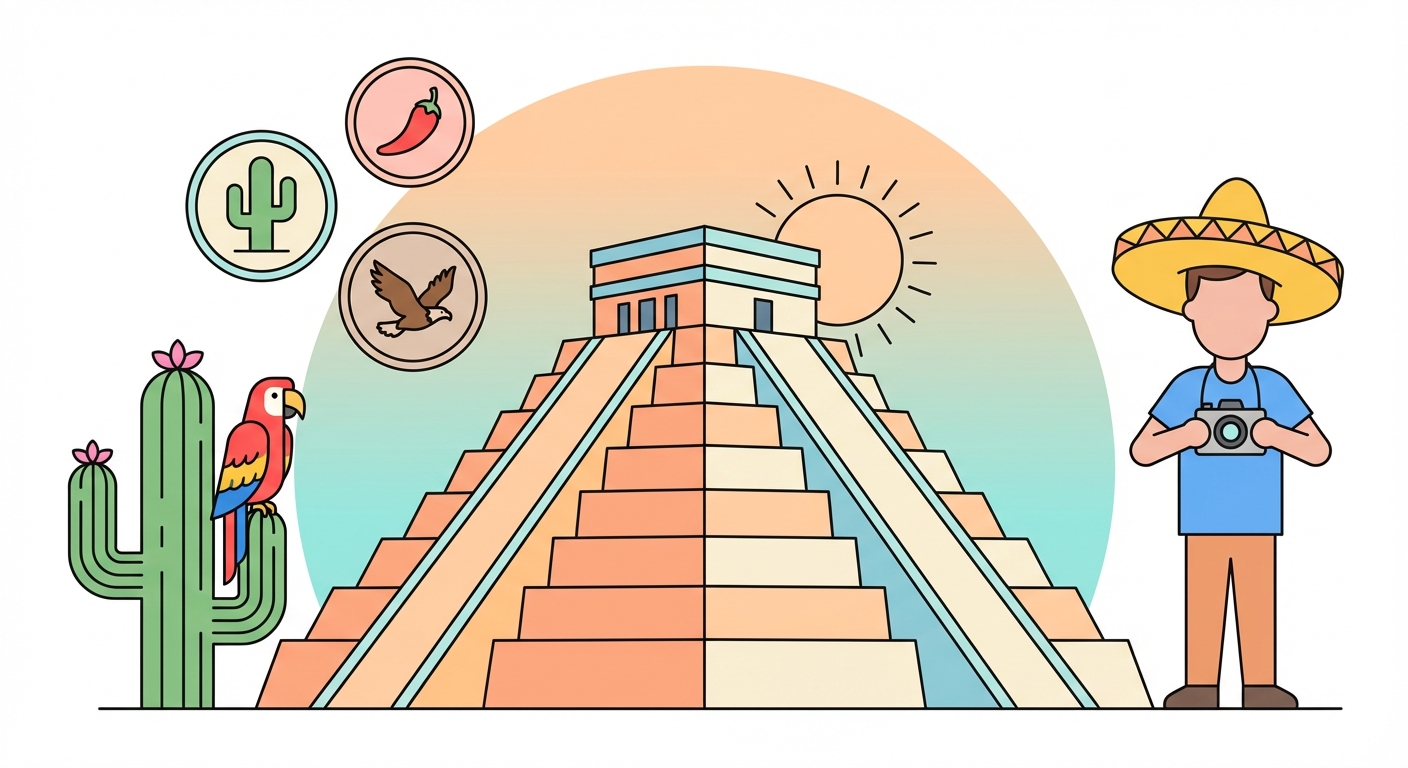
The dry season (November to April) is widely considered the best time to visit. Expect sunny skies, minimal rainfall, and comfortable temperatures ranging from 75–85°F in coastal areas to 60–70°F in higher elevations. This period also features the most stable weather, making it ideal for outdoor activities like hiking to Machu Picchu-equivalent sites such as Chichen Itza or exploring the cenotes of Yucatán.
The wet season (May to October) brings afternoon showers and humidity, particularly in the Yucatán Peninsula. However, mornings are typically clear, and rain usually passes quickly. Hurricane season peaks from August to October, which can affect Caribbean destinations. If you travel during this period, book travel insurance and stay updated on weather forecasts using your smartphone—consider grabbing an eSIM from uPhone before departure to ensure reliable data connectivity for weather updates and emergency communications.
Month-by-Month Travel Guide
November to December
Peak season begins as temperatures cool and rainfall decreases. December brings holiday crowds and higher prices, but spectacular celebrations like Las Posadas processions fill the streets of colonial towns. Oaxaca and San Miguel de Allende are particularly festive.
January to March
These months offer the best combination of weather and relative calm before spring break. Expect dry conditions, clear skies, and moderate crowds. It's perfect for beach time in Playa del Carmen, exploring Mérida, or visiting the Copper Canyon in Chihuahua.
April to May
Late spring brings heat and humidity before the rainy season starts. May can be hot (85–95°F) and crowded during spring break. However, May also brings Cinco de Mayo celebrations, with festivities particularly vibrant in Puebla and Mexico City.
June to September
The wet season sees afternoon downpours, but prices drop significantly. Fewer tourists mean shorter lines at popular sites. These months are ideal for budget travelers and those seeking authentic local experiences without the crowds.
October
Late October transitions toward dry season but still carries hurricane risk. However, Día de Muertos preparations begin, offering a unique cultural experience. Avoid this month if hurricanes concern you significantly.
Festivals and Peak Travel Periods
Mexico's festival calendar is packed with celebrations that can either enhance or complicate your visit. Día de Muertos (October 31–November 2) is spectacular but crowded. Oaxaca transforms into a vibrant tapestry of marigolds, skeleton imagery, and traditional altars. Christmas through New Year's sees massive holiday crowds and inflated prices across all regions.
Semana Santa (Easter week) and Spring Break create peak tourism surges in coastal areas. Carnaval celebrations in February draw crowds to Veracruz and Cozumel. If you want to experience these festivals, book accommodation months in advance.
Off-Peak Travel Tips
Traveling during shoulder season (late April or September) offers the best value. You'll encounter fewer tourists, lower prices, and more authentic interactions with locals. Restaurants serving traditional dishes like mole poblano and cochinita pibil won't be as crowded, and you'll get genuine recommendations from shop owners.
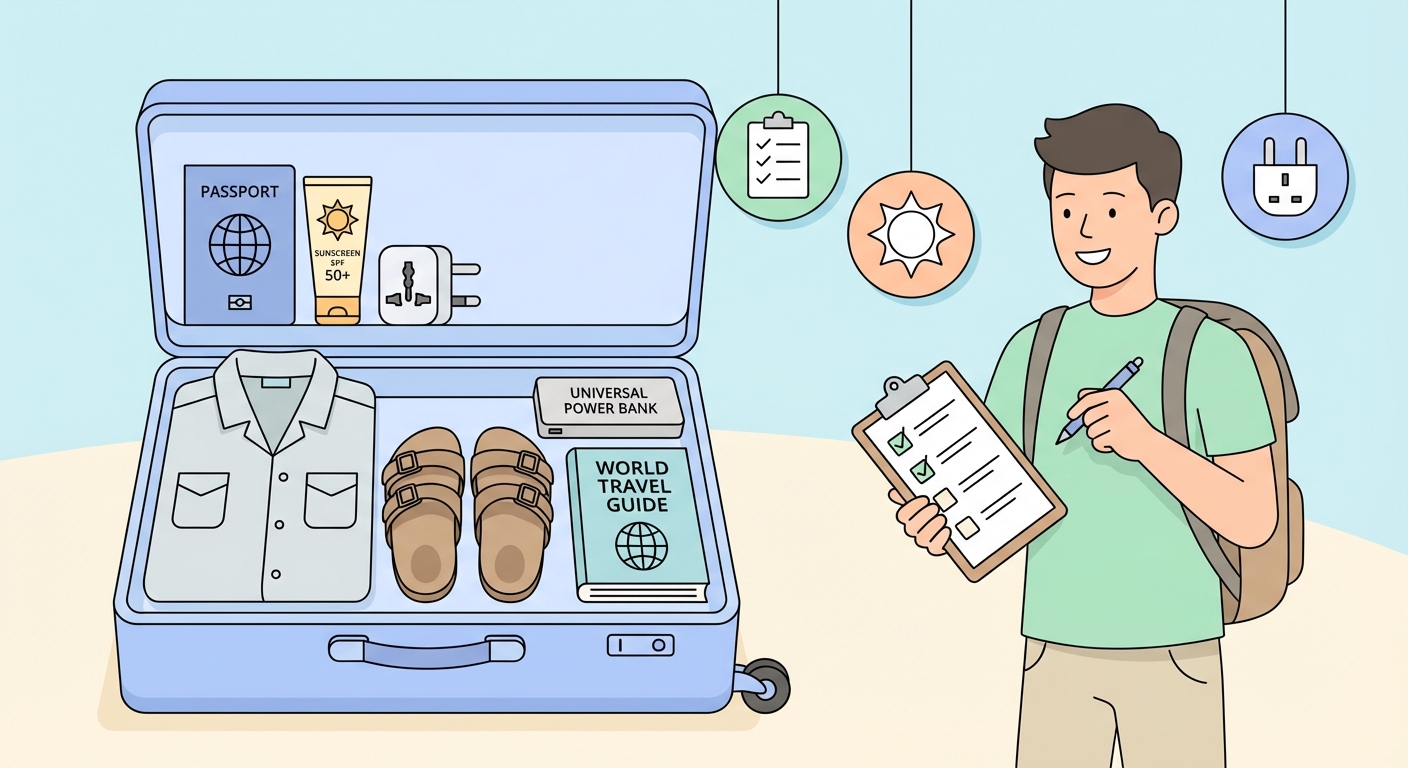
Pack light layers regardless of season, as temperatures fluctuate between sun and shade. Bring waterproof gear during the wet season, and use sunscreen year-round at high altitudes where UV exposure is intense.
Before departure, grab an eSIM from uPhone to stay connected throughout your journey. Reliable mobile data helps you navigate with offline maps, check weather alerts, book last-minute activities, and share your Mexican adventures with friends back home—all without expensive roaming charges.