Vietnam is a captivating Southeast Asian destination that transforms dramatically across the seasons. From the misty mountains of the north to the sun-soaked beaches of the south, timing your visit correctly can mean the difference between magical exploration and uncomfortable sightseeing. Whether you're trekking through rice terraces, sampling street food in Ho Chi Minh City, or island-hopping in Halong Bay, understanding Vietnam's seasonal patterns will help you plan the perfect trip.
Vietnam's Four Seasons: Weather and Climate
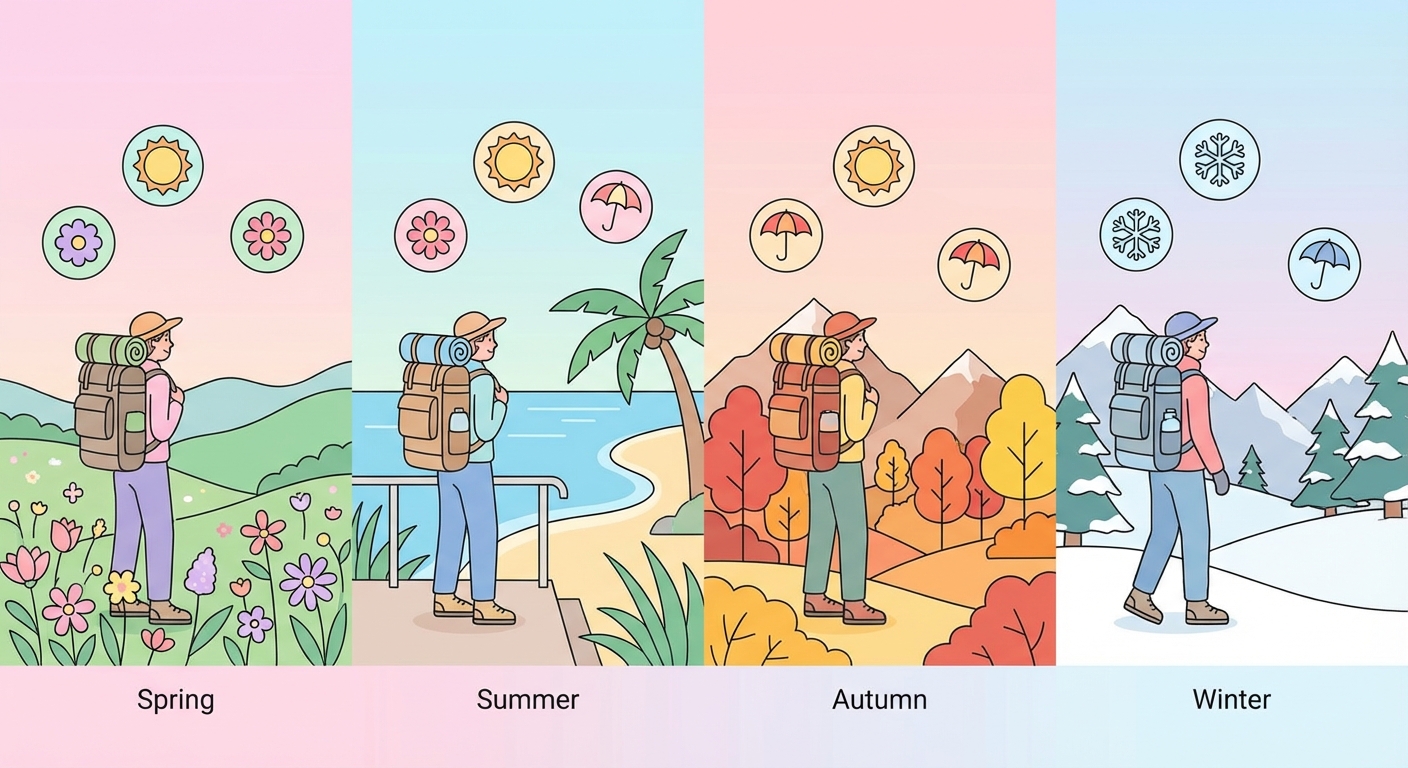
Vietnam experiences distinct seasons, though the country's weather varies significantly by region. The country can be divided into three main climate zones: the north, central, and south.
Winter (November to February)
The dry season brings cool, pleasant weather to northern Vietnam. Hanoi and Sapa enjoy temperatures between 10–20°C, perfect for exploring street markets and hiking mountain trails. However, southern Vietnam remains warm and humid. This is peak tourist season, so expect crowded attractions and higher prices. The visibility in Halong Bay is exceptional during these months, making it an ideal time to cruise among the limestone karsts.
Spring (March to April)
Spring offers mild temperatures and lower humidity across much of the country. This shoulder season is excellent for budget travelers and those avoiding crowds. Hanoi's Old Quarter is particularly vibrant, with locals enjoying spring festivals and fresh street food like bánh chay (vegetarian spring rolls). However, the south begins heating up significantly.
Summer (May to August)
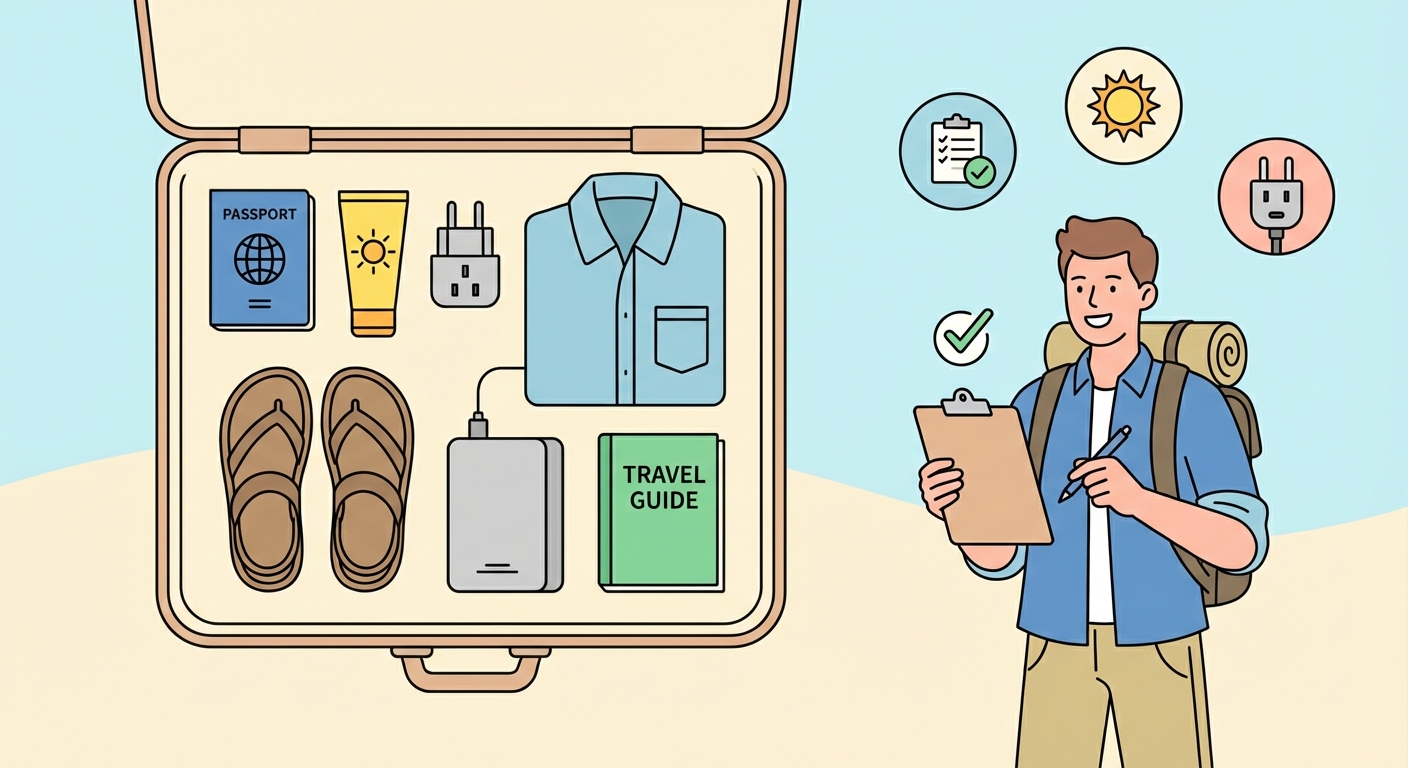
The southwest monsoon brings heavy rainfall and intense heat. Northern Vietnam is hot and sticky, while central regions like Da Nang experience typhoons. Southern Vietnam remains warm with manageable rain. This is the quietest season for tourism, meaning lower accommodation prices and fewer tourists at temples like Angkor Wat (just across the border). If you travel during summer, pack waterproof gear and download offline maps before you go—consider grabbing an eSIM from uPhone to stay connected even during heavy rain, ensuring you can access real-time weather updates and travel information.
Autumn (September to October)
Conditions improve gradually throughout autumn. Early September remains wet, but by late October, the weather stabilizes. This is an excellent value season with pleasant temperatures returning to the north. Central Vietnam's beaches become accessible again, and you'll experience fewer crowds than in winter.
Month-by-Month Guide
- January: Peak season in the north and south. Perfect weather, crowded attractions, premium prices. Ideal for Hanoi's Old Quarter exploration.
- February: Lunar New Year (Tết) transforms the country. Cities quiet as locals travel home, but decorations are spectacular. Many restaurants close temporarily.
- March–April: Shoulder season with comfortable temperatures. Wildflowers bloom in Sapa. Great for budget travelers.
- May–August: Green landscapes, low prices, frequent rain. Ideal for adventurous travelers seeking solitude at sites like Phong Nha-Ke Bang National Park.
- September–October: Improving conditions, moderate crowds, reasonable prices. Perfect for central Vietnam beaches.
- November–December: Cool, dry weather returns. Tourist numbers increase toward Christmas. Excellent for all regions.
Peak vs. Off-Peak Travel
Peak Season (November–February): Expect higher prices (30–50% above off-peak rates), crowded temples and attractions, and booking challenges. However, the weather is optimal nationwide, and many festivals occur during this period, including the spectacular Tet Festival with its traditional food markets, dragon dances, and temple visits.
Off-Peak Season (May–August): Accommodation costs drop significantly, restaurants feel intimate, and you'll experience authentic local life. The trade-off is frequent rain, occasional typhoons in central regions, and some tour operators reducing services. This season rewards flexible travelers willing to adapt plans around weather.
Festival Highlights
Tet (lunar new year) in January or February is Vietnam's biggest celebration, featuring family gatherings, traditional food, and temple visits. The Hoi An Lantern Festival (monthly on full moons) bathes the ancient town in soft, colorful light. Da Nang's international fireworks festival typically occurs in summer, even during rainy season.
Plan your Vietnam adventure around your weather preferences and travel style. Whether you choose bustling peak season or quiet off-peak exploration, ensure you stay connected throughout your journey with reliable mobile access. An eSIM from uPhone keeps you online for navigation, communication, and discovering hidden street food gems across this beautiful country.