Greece is a year-round destination, but timing your visit can make the difference between a crowded summer beach holiday and a peaceful cultural exploration. Whether you're dreaming of island hopping in the Cyclades, exploring ancient ruins in Athens, or hiking through Crete, understanding Greece's seasonal patterns will help you plan the perfect trip. Let's break down what each season offers and how to make the most of your Greek adventure.
Greece by Season: Weather and Climate
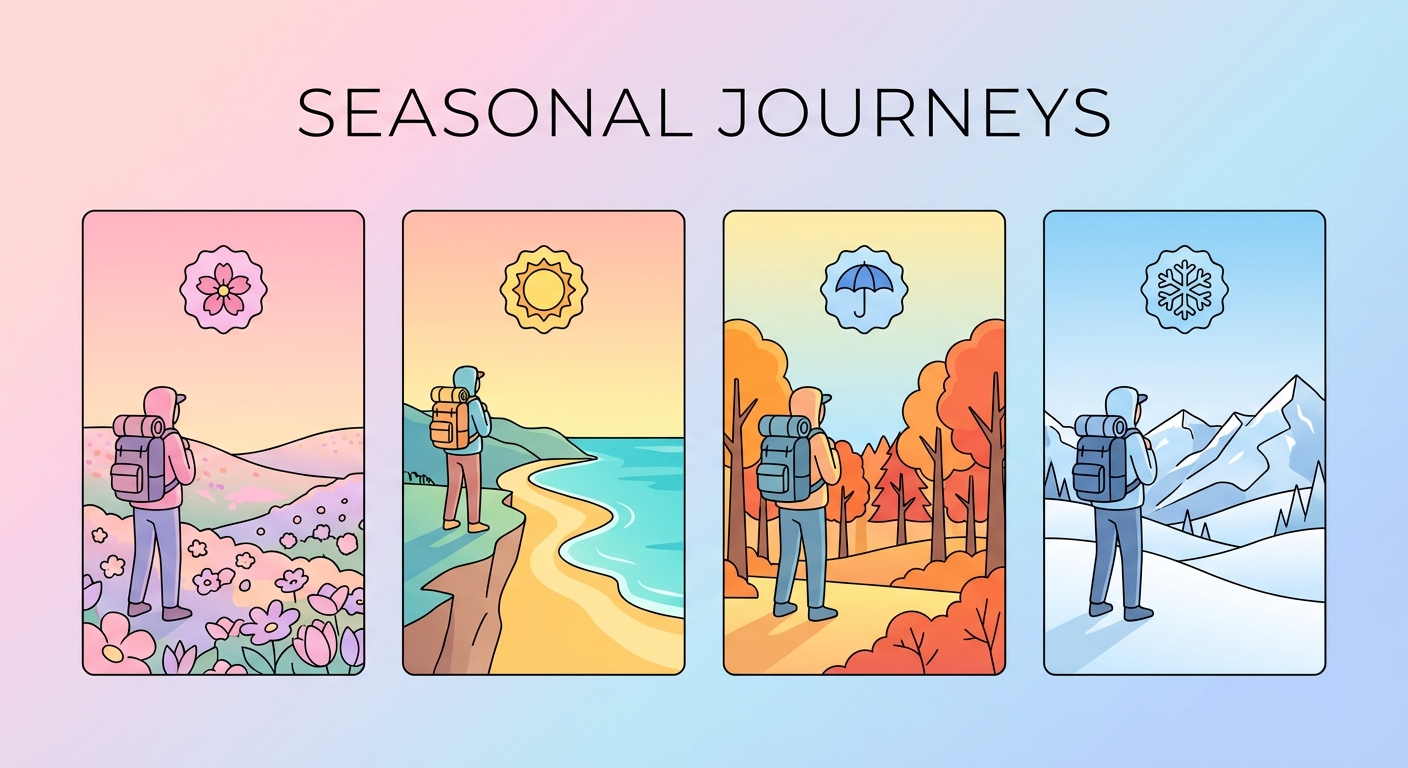
Greece experiences a Mediterranean climate with distinct seasonal variations. Summer (June to August) brings blazing sunshine, temperatures soaring to 35°C (95°F), and virtually no rainfall. This is ideal for beach lovers but comes with intense heat and crowded attractions. Spring (April to May) offers mild temperatures between 20–25°C (68–77°F), perfect blooming wildflowers, and fewer tourists. Autumn (September to October) delivers warm, pleasant weather and calm seas—many consider this the sweet spot for visiting.
Winter (November to March) sees cooler temperatures of 10–15°C (50–59°F) and occasional rain, particularly in January and February. However, snow is rare, even in the mountains. Northern regions like Thessaloniki experience more rainfall than southern areas like Crete and Rhodes. If you're planning outdoor activities like hiking or water sports, spring and autumn are your best bets.
Month-by-Month Breakdown
January to March (Winter)
Winter is the quietest season, perfect for budget travelers and those seeking authentic Greek life. Expect reduced opening hours at museums and restaurants in smaller towns. Athens and larger cities remain lively, with locals reclaiming their spaces. Skiing is possible in the Pindus Mountains, and it's an excellent time for cultural tourism without crowds. Pack layers and a waterproof jacket.
April to May (Spring)
Spring is magical in Greece. Easter (dates vary) brings festive traditions, and wildflowers carpet the countryside. Temperatures are comfortable for sightseeing—perfect for exploring Delphi, Meteora, or the Peloponnese. Islands become accessible again, though not yet swamped. Accommodation prices start rising, but availability remains good. Crete's Samaria Gorge opens for hiking in May.
June to August (Summer)
Peak summer means peak prices and peak crowds. Popular destinations like Mykonos, Santorini, and Rhodes are packed. However, this is when all festivals happen—Athens Epidaurus Festival features theater and music. Island ferries run frequently, and beach bars buzz until dawn. Water temperatures reach 24–26°C (75–79°F), perfect for swimming. Early June and late August offer slightly better conditions than July.
September to October (Autumn)
Autumn is widely considered the best time to visit. Weather remains warm (25–28°C or 77–82°F), the sea is still swimmable, and crowds thin considerably after September. It's ideal for island-hopping without ferry delays or accommodation stress. In September, you'll catch the tail end of summer festivals. October brings lower prices while maintaining pleasant conditions.
Festivals and Cultural Events
Greece's festival calendar strongly influences travel timing. Easter (Orthodox, usually later than Western Easter) involves candlelit processions and family celebrations. The Athens Epidaurus Festival (June to August) showcases ancient drama in atmospheric settings. Wine Festivals occur across regions in autumn—visit Santorini or Crete for tastings. Local food festivals celebrating olives, grapes, and cheeses happen throughout the year in smaller villages.
Peak vs. Off-Peak Travel
July and August define peak season—expect queues at archaeological sites, high prices, and packed beaches. June and September offer a middle ground with good weather and fewer crowds. October to May is off-peak, with significantly lower prices, quieter destinations, and shorter waits. However, some island hotels and restaurants close November through March.
For travelers visiting during any season, staying connected is effortless with an eSIM from uPhone. Skip airport hassles and instantly access data for navigation, accommodation booking, and sharing your Greek adventures. Whether you're checking ferry schedules in spring or navigating hidden tavernas in autumn, reliable connectivity ensures you maximize every moment.
Planning Your Greek Getaway
Choose spring or autumn for the ideal balance of weather, crowds, and pricing. Visit in summer only if you love bustling atmospheres and don't mind higher costs. Winter suits cultural tourism and budget travel. Whatever you choose, Greece's warm hospitality and timeless beauty shine year-round.