Morocco is a year-round destination, but timing your visit strategically can transform your experience. From the snow-capped Atlas Mountains to the golden Sahara dunes, each season reveals a different face of this captivating country. Whether you're seeking festival energy, comfortable hiking weather, or serene desert sunsets, understanding Morocco's seasonal rhythms helps you plan the perfect trip.
Weather by Season
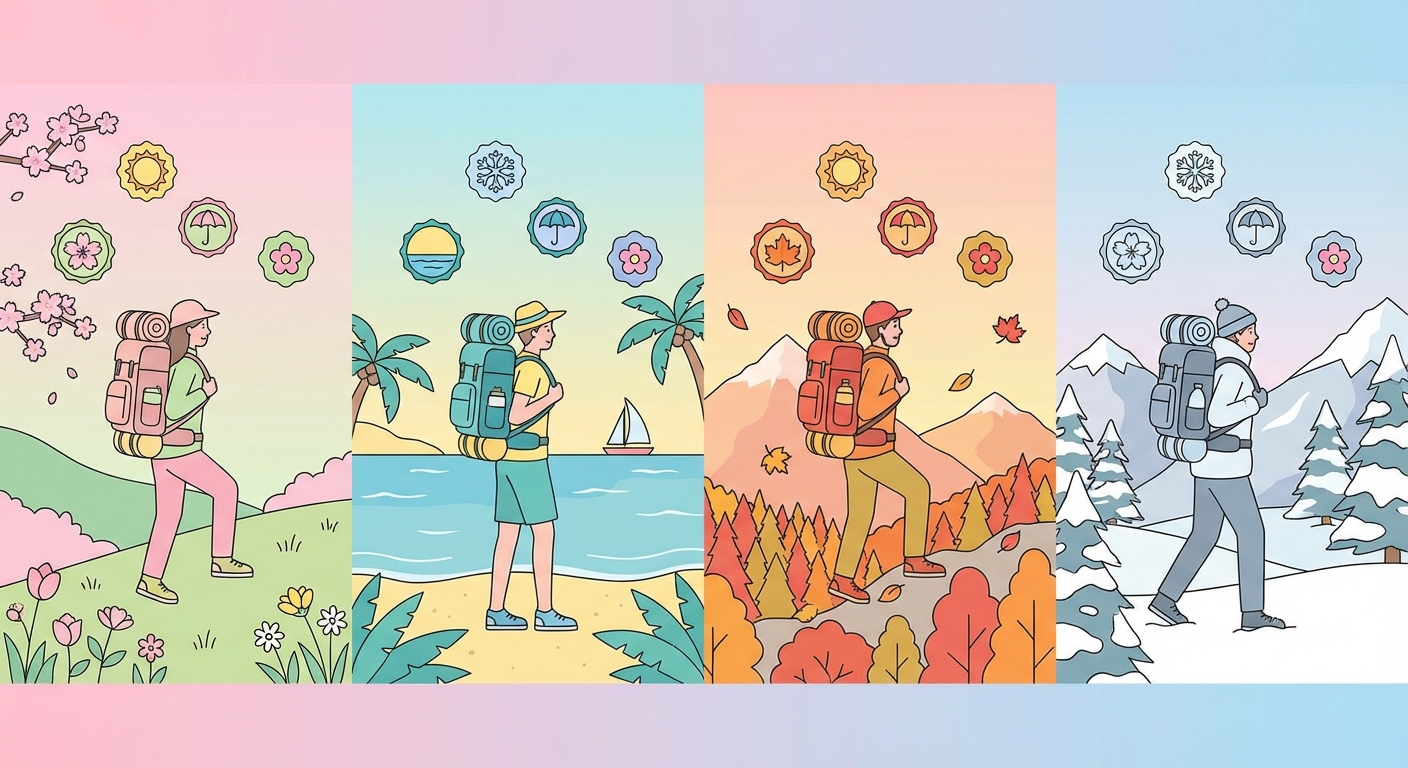
Morocco's climate varies dramatically by region and season. The coastal areas enjoy mild winters and warm summers, while inland regions experience more extreme temperature swings. The best overall weather occurs during spring (March–May) and autumn (September–November), when temperatures are comfortable and rainfall is minimal.
Spring (March–May)
Spring brings wildflower blooms across the countryside and pleasant temperatures ranging from 20–25°C. This is an ideal time to explore Marrakech's medina, hike the Atlas Mountains, or visit the Sahara. Rainfall is light, and the days are long enough for multiple activities. Tourist crowds begin increasing, so book accommodations early.
Summer (June–August)
Summers are hot—particularly inland, where temperatures can exceed 40°C. Coastal cities like Essaouira remain cooler, making them refuges during peak heat. Humidity increases, especially near the Atlantic. This is high season for beach tourism and international visitors. If you visit in summer, plan indoor activities during midday heat, such as exploring kasbahs or museums in Fes and Meknes.
Autumn (September–November)
Autumn mirrors spring with mild temperatures (18–28°C) and minimal rain. September still carries summer heat, but by October, conditions become ideal for trekking, city exploration, and desert camping. Tourism tapers off after October, making this excellent for budget-conscious travelers seeking smaller crowds.
Winter (December–February)
Winters are mild in lowland areas (10–18°C) but cold in the Atlas Mountains, where snow blocks some passes. Coastal regions experience occasional rain. This season suits those avoiding crowds, though some riads and guesthouses close seasonally. Mountain activities are limited, but Marrakech and desert regions remain accessible.
Festivals and Cultural Events
Morocco's festival calendar is vibrant and deeply rooted in culture. Plan around these major celebrations for unforgettable experiences.
- Essaouira Gnaoua and World Music Festival (May): A three-day celebration featuring world-class musicians performing traditional Gnaoua music, blues, and jazz along the Atlantic coast.
- Marrakech Popular Arts Festival (July): Showcasing traditional Moroccan arts, crafts, music, and dance performances in the city's iconic squares.
- Imilchil Marriage Festival (September): A unique Berber tradition in the Middle Atlas where young couples participate in mass marriage ceremonies.
- Fes Festival of World Sacred Music (September): An international festival featuring spiritual music from diverse cultures in the atmospheric medina of Fes.
- Tan-Tan Moussem (May): A desert gathering celebrating Saharan Berber culture with camel races, poetry, and traditional crafts near Tan-Tan.
Peak vs. Off-Peak Travel
Peak Season (April–May, September–October): These months attract the most visitors due to ideal weather. Hotels book quickly, prices increase, and popular sites become crowded. However, you'll experience vibrant tourism infrastructure and easy access to all regions. Book 2–3 months ahead for accommodations and tours.
Off-Peak Season (November–February, July–August): Off-season brings lower prices, fewer tourists, and more authentic local interactions. The trade-off? Limited tour availability, some closures in mountain regions, and extreme summer heat. Budget travelers and those seeking solitude prefer these months.
Month-by-Month Breakdown
January–February: Cool but sunny. Ideal for trekking Atlas Mountains and exploring southern oases. Temperatures around 10–18°C.
March–April: Spring flowers bloom. Perfect for all activities. Temperatures 15–25°C, with peak tourism beginning.
May–June: Warm and dry. Ramadan falls unpredictably; check dates as restaurant hours change during fasting periods.
July–August: Extremely hot inland (40°C+). Head to coastal towns or higher altitudes. Major festival season.
September–October: Warm yet comfortable (20–30°C). Fewer crowds than spring. Excellent for all activities.