🇲🇦 eSIM for Morocco
- Unlimited data
- 7-day validity
- Fast and reliable internet
- No more roaming charges
- Instant QR code by email
* As low as price reflects the cheapest per-day rate, based on the longest available unlimited data plan duration.





Why choose us?
See how uPhone compares with other options in Morocco.
eSIM prices for Morocco
All prices in USD
7 days of unlimited data in Morocco costs $37.78 — about $5.40 a day on Maroc Telecom, Orange Maroc or inwi, with no roaming charge and no SIM to swap. In Morocco, 5G is live and median mobile download speed is 33.8 Mbps.
Which networks you connect to in Morocco
Your eSIM roams onto Morocco's own operators. These are the networks and the frequencies they run — check your phone supports them before you travel.
Source: Ookla Speedtest Global Index, July 2025
Coverage in Morocco
Western Sahara region has limited or no service from Moroccan operators due to political status; B20 (800 MHz) is a key LTE band in Morocco that some non-European/Asian phone models lack.
Enjoy your Morocco vacation
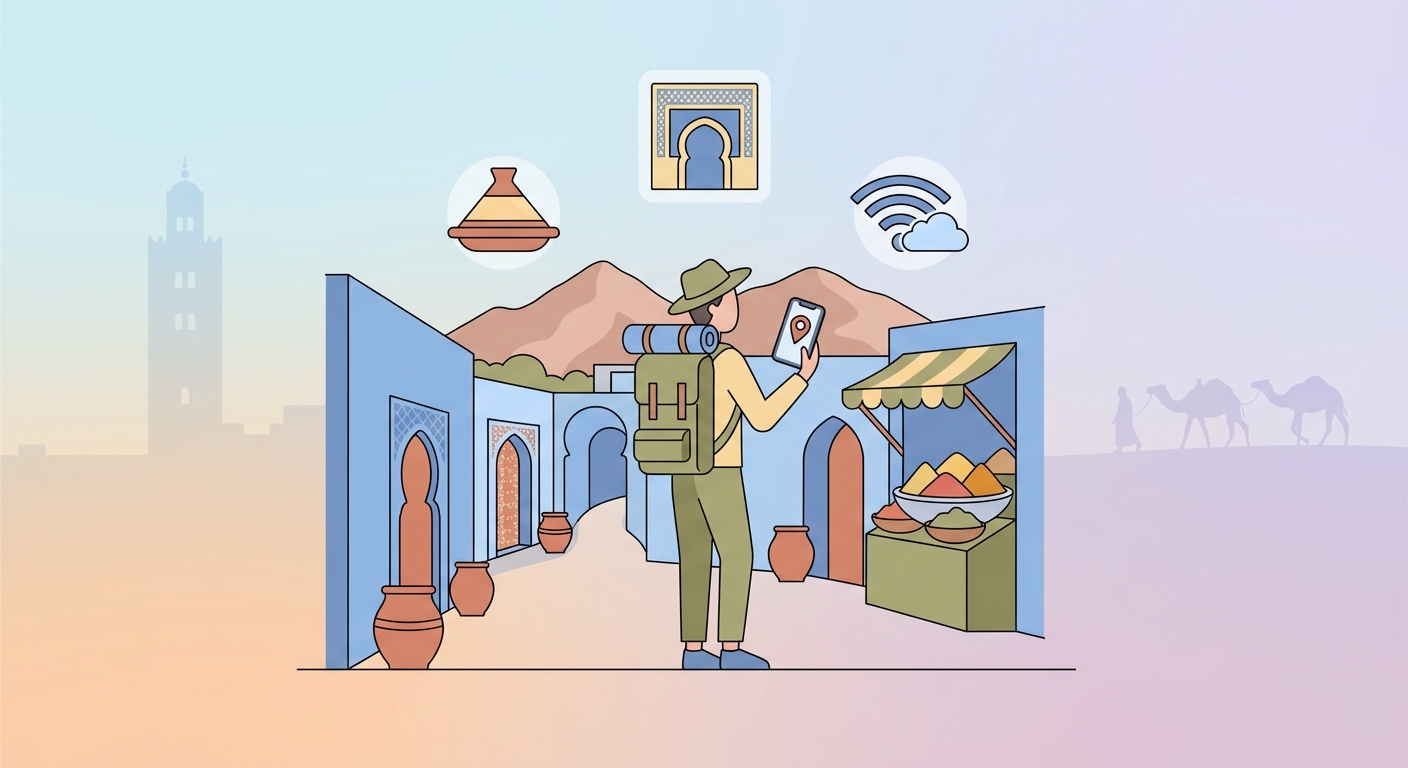
Morocco is a captivating blend of ancient medinas, stunning desert landscapes, and vibrant coastal towns that transport visitors to another world. From the snow-capped Atlas Mountains to the golden dunes of the Sahara, Morocco offers an intoxicating mix of cultures, cuisines, and breathtaking natural beauty. Whether you're wandering through the blue-washed streets of Chefchaouen, haggling in the bustling souks of Marrakech, or surfing on Atlantic beaches, every moment feels like an adventure. Keep yourself connected throughout your Moroccan journey with a uPhone eSIM, ensuring seamless communication from the moment you land in Casablanca or Marrakech.
Top attractions in Morocco
Morocco's diverse attractions range from UNESCO-listed medinas and imperial cities to dramatic natural wonders and coastal escapes. Whether you're seeking cultural immersion, adventure, or relaxation, Morocco delivers unforgettable experiences at every turn.
- Marrakech Medina — Explore the labyrinthine souks, vibrant Jemaa el-Fnaa square, and stunning Bahia Palace in Morocco's most iconic city.
- Sahara Desert — Experience camel trekking, overnight camps under starlit skies, and golden sand dunes near Merzouga or Zagora.
- Fes Medina — Wander through the world's oldest continuously inhabited medina, home to ancient tanneries and traditional craftspeople.
- Atlas Mountains — Trek through stunning mountain scenery, Berber villages, and Alpine meadows near Marrakech or Imlil.
- Essaouira — Relax on Atlantic beaches, explore the coastal medina, and enjoy fresh seafood in this laid-back seaside town.
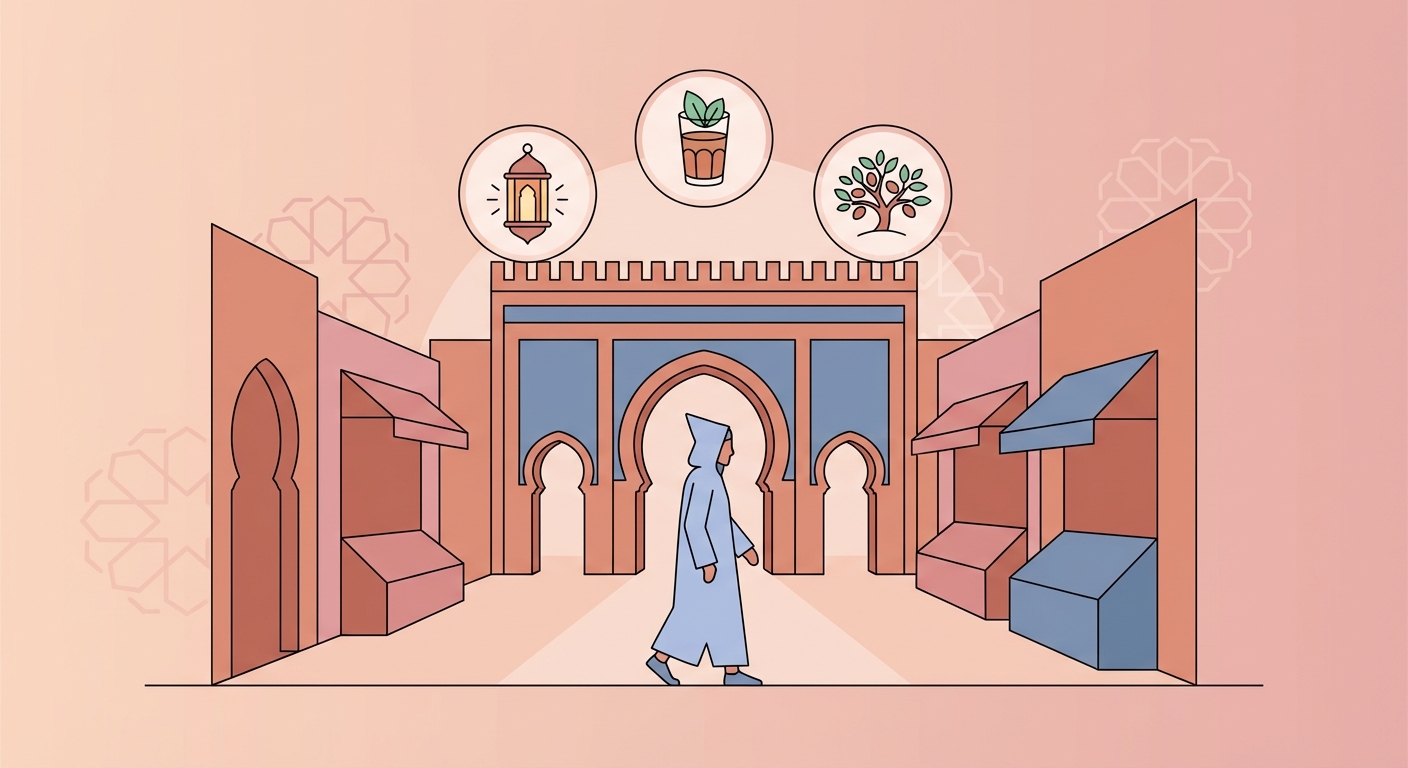
Popular foods to try in Morocco
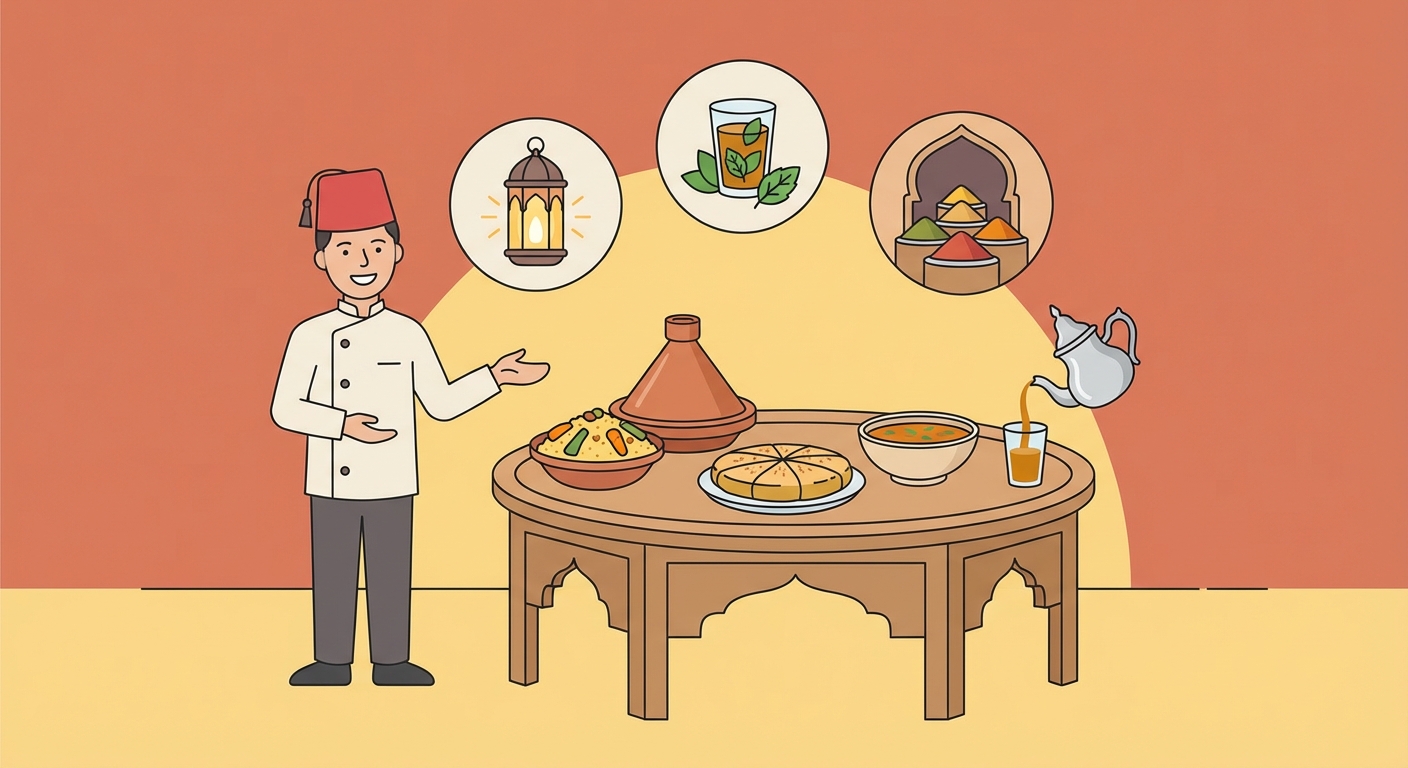
Moroccan cuisine is a aromatic blend of Berber, Arab, and Mediterranean influences, featuring warming spices, fresh ingredients, and time-honored cooking techniques. Street food and traditional restaurant meals alike offer authentic flavors that reflect Morocco's rich culinary heritage.
- Tagine — A slow-cooked stew of tender meat or vegetables with dried fruits, warm spices, and preserved lemons served in a distinctive cone-shaped dish.
- Couscous — Fluffy semolina grains topped with savory broth, vegetables, and meat, traditionally served on Fridays.
- Pastilla — A flaky pastry pie filled with shredded pigeon or chicken, almonds, and eggs, dusted with cinnamon and powdered sugar.
- Harira — A hearty tomato-based soup with chickpeas, lentils, and spices, commonly eaten at sunset during Ramadan.
- Mint Tea and Moroccan Bread — Sweet green tea served with fresh mint and accompanied by warm, crusty bread, a beloved daily ritual across the country.
Best time to visit Morocco
The ideal time to visit Morocco is spring (March to May) and fall (September to November), when temperatures are pleasant and moderate across the country. During these seasons, you'll enjoy comfortable weather for exploring medinas, trekking mountains, and exploring the desert without extreme heat.
Summer (June to August) brings intense heat, particularly in the Sahara and southern regions, though it's peak tourist season and the best time for beach activities in Essaouira and Taghazout. Winter (December to February) is mild and wet, with occasional snow in the Atlas Mountains, but offers fewer tourists and lower prices. Ramadan (dates vary yearly) transforms daily rhythms as many restaurants close during daylight hours, though the evening atmosphere is magical.

What to pack for your visit to Morocco
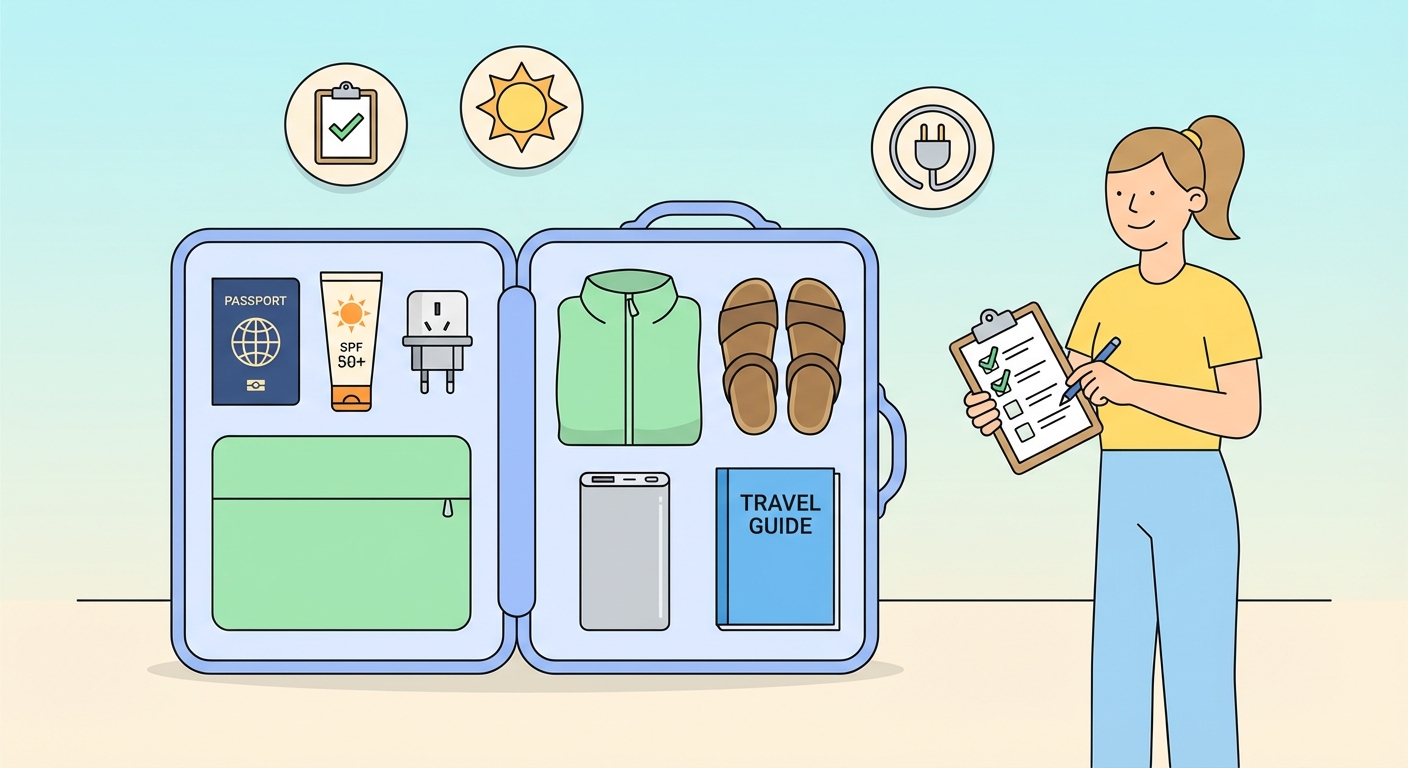
Morocco's diverse landscapes and climate require thoughtful packing to stay comfortable whether you're exploring bustling cities, hiking mountains, or camping in the desert. Sun protection and modest clothing are especially important to respect local customs and shield yourself from intense North African sun.
- Lightweight, breathable clothing — Pack loose-fitting layers to stay cool in hot days and warm evenings, plus modest clothing that covers shoulders and knees for medina visits.
- Sun protection — High SPF sunscreen, sunglasses, and a wide-brimmed hat are essential against Morocco's intense sun, especially in the Sahara.
- Comfortable walking shoes and sandals — You'll navigate cobblestone medinas and sand dunes frequently, so sturdy, broken-in footwear is crucial.
- Light jacket or sweater — Mountain nights and desert temperatures drop significantly, and the Atlantic coast can be breezy year-round.
- Reusable water bottle — Staying hydrated in Morocco's heat is vital, and refilling a bottle reduces plastic waste in this beautiful country.
- Your uPhone eSIM — Stay connected across Morocco with seamless coverage on Maroc Telecom, Orange Maroc, and Inwi, the country's leading mobile networks.
Frequently Asked Questions
Everything you need to know about your Morocco eSIM
Need help? We're here for you.
Questions before or during your trip — our support team is always available via live chat and email. Typical response time under 2 minutes.
Chat with us
Bundle Morocco with other nearby countries.
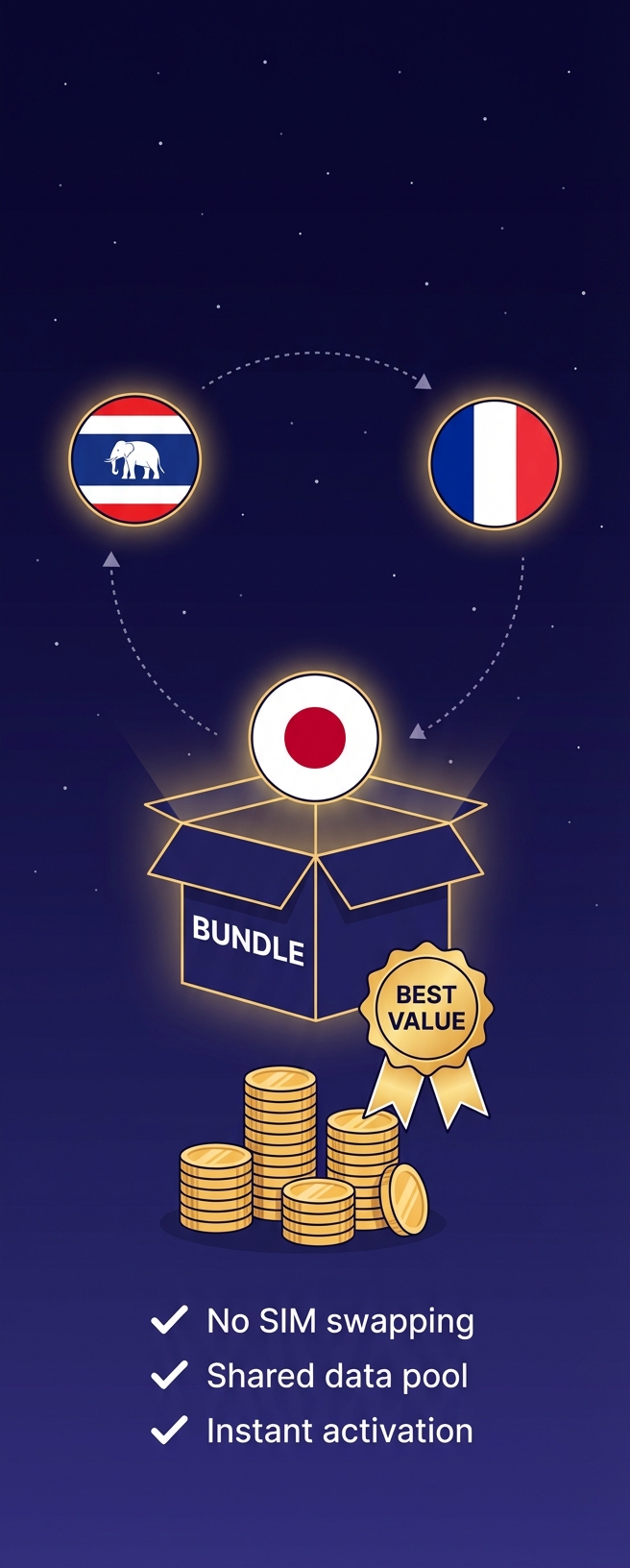
Multiple countries.
Other uPhone eSIM destinations
Explore eSIM plans for more countries around the world.