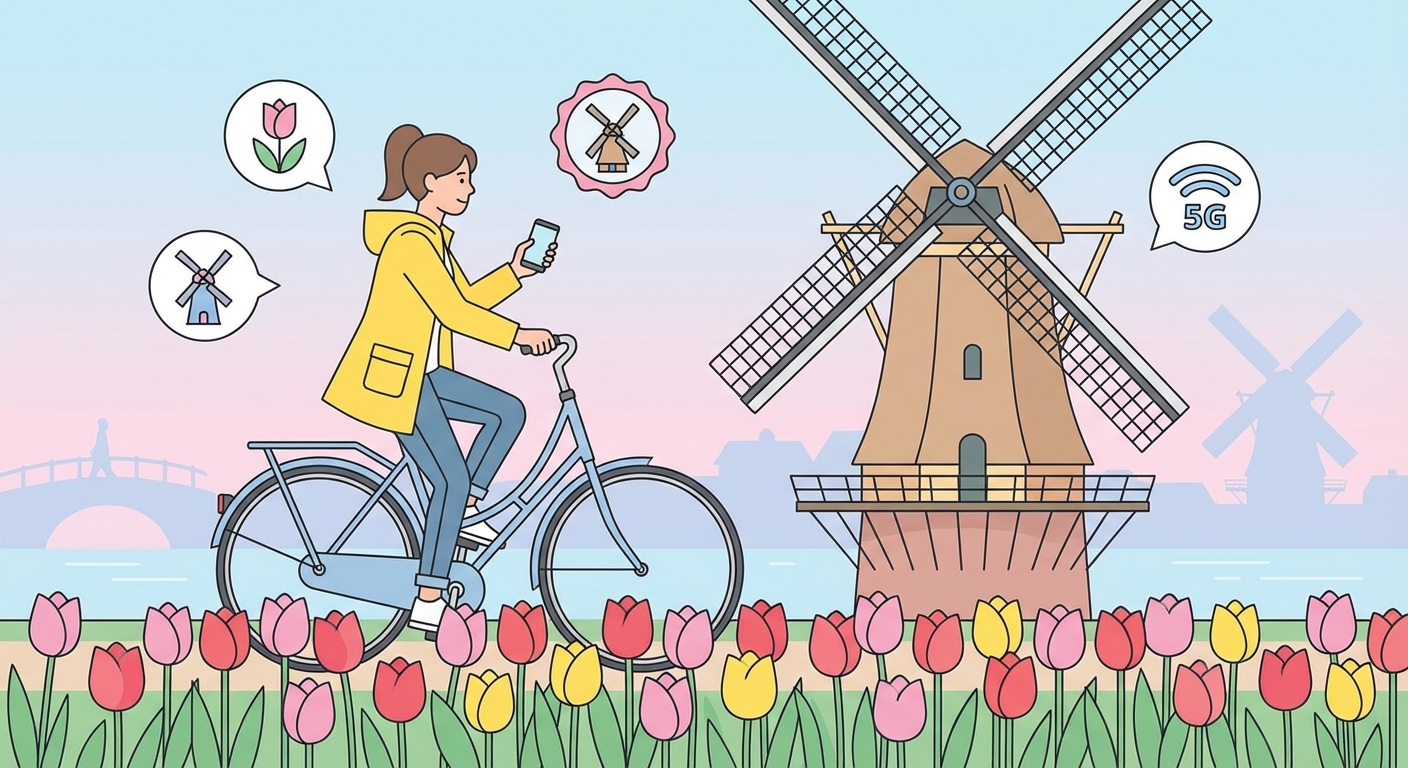
The Netherlands is a country of charming canals, world-class museums, and flat terrain perfect for cycling. Whether you're exploring Amsterdam's historic neighborhoods, sampling stroopwafels in Utrecht, or biking through the tulip fields of Lisse, packing smart makes all the difference. Here's everything you need to bring for a comfortable Dutch adventure.
Clothing and Footwear
Dutch weather can be unpredictable, so layering is your best strategy. Bring a waterproof jacket—rain showers are common, especially in autumn and spring. Pack comfortable walking shoes or, better yet, cycling shoes with grip, since you'll likely rent a bicycle to navigate Amsterdam's famous fietsroutes (bike paths).
- Lightweight sweaters and long-sleeve shirts for cooler days
- Waterproof trousers or rain pants
- Comfortable, broken-in shoes with good support
- Casual clothes for exploring museums and cafés
- Warm coat for winter months (November to February)
- Swimsuit if visiting spa towns like Zandvoort or heading to thermal baths
Dress code in the Netherlands is casual and practical. Locals favor comfort over formality, though smart-casual attire works for nicer restaurants. Bring a small daypack for carrying essentials while cycling or sightseeing.
Essential Gear and Adapters
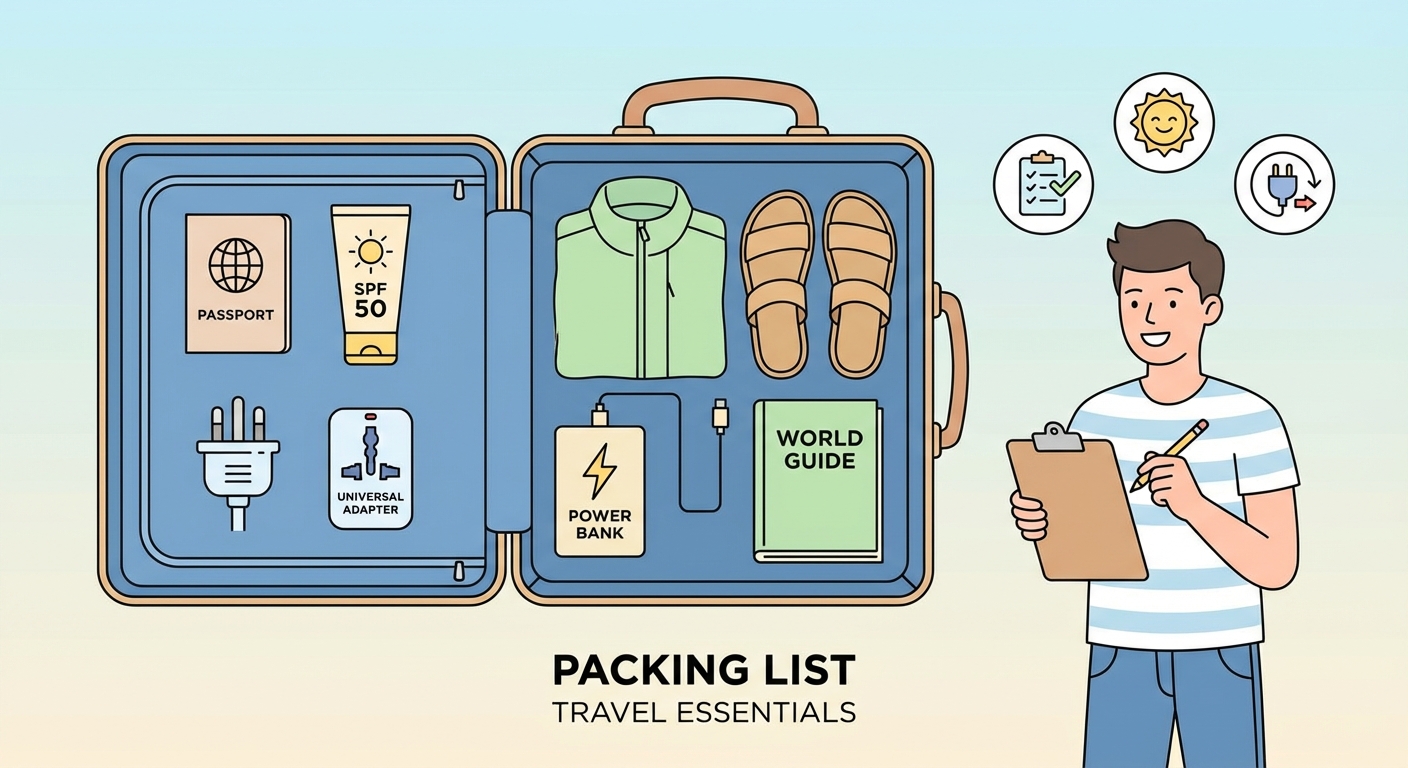
The Netherlands uses the Schuko plug (Type F), the European standard with two round holes. Bring a universal power adapter or a European travel adapter for charging phones, cameras, and other electronics. Since the electrical standard is 230V, 50Hz, most modern devices work fine, but double-check before packing.
- European Type F power adapter
- Portable power bank for day trips
- Camera with waterproof protection
- Bike lock if renting a bicycle (essential in Amsterdam)
- Small umbrella or rain poncho
- Reusable water bottle (tap water is excellent)
For staying connected while traveling, consider getting an eSIM from uPhone before your trip. It's more convenient than hunting for local SIM cards, and you'll have immediate data access for maps, translation apps, and checking train schedules. An eSIM also means you avoid roaming charges without changing your physical SIM card.
Documents and Money
EU and UK citizens need a valid passport; visas aren't required for stays under 90 days. Keep photocopies of important documents separate from originals. Travel insurance is highly recommended, particularly if you plan cycling activities.
- Valid passport or national ID
- Travel insurance documents
- Copies of booking confirmations
- Credit cards and some euros in cash
- EHIC (European Health Insurance Card) if eligible
The Netherlands is cashless-friendly, but carrying small amounts of euros is practical for markets, small cafés, and tips. Most places accept card payments, but some traditional establishments prefer cash.
Health and Toiletries
The Netherlands has excellent healthcare, but bring your own medications and a basic first-aid kit. Dutch pharmacies (apotheek) are well-stocked if you need over-the-counter remedies.
- Personal medications and prescriptions
- Antihistamine for allergies (especially during tulip season)
- Pain relief medication and anti-diarrhea tablets
- Blister treatment (from cycling)
- Sunscreen, especially for spring and summer
- Deodorant, toothbrush, and basic toiletries
- Glasses or contact lens supplies
Practical Packing Tips
Pack light since most accommodations have limited storage. Many travelers rely on bicycles rather than cars, so avoid bulky luggage. Bring a small towel or face cloth—some budget accommodations don't provide them.
Consider purchasing a GVB day ticket for Amsterdam's trams and buses, or download the app for easy navigation. Keep your travel essentials accessible: passport, wallet, and phone charger should stay with you at all times.
The Netherlands welcomes spontaneous travelers, so don't over-prepare. With these essentials packed and an eSIM keeping you connected, you're ready to enjoy Dutch culture, cuisine, and countryside to the fullest.