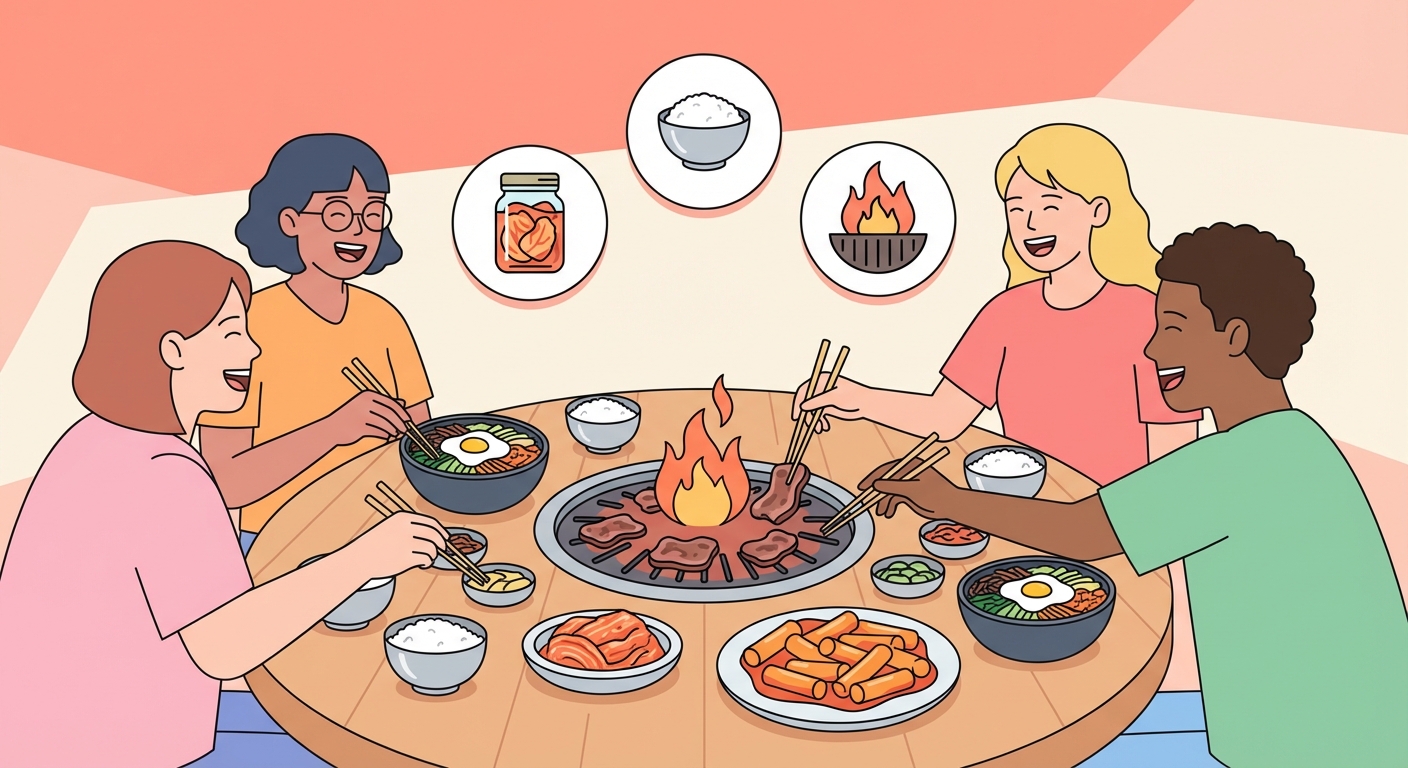
South Korea's culinary scene is a vibrant blend of centuries-old traditions and modern innovation, where every meal tells a story of regional pride and family heritage. From sizzling street corners in Seoul to quiet coastal villages, Korean food culture celebrates bold flavors, communal dining, and the art of fermentation. Whether you're a foodie seeking authentic experiences or simply hungry for adventure, South Korea's food landscape offers unforgettable tastes that go far beyond what you might find in Korean restaurants back home. Let's explore the essential dishes and food experiences every visitor should discover.
Iconic Korean Dishes You Must Try
No trip to South Korea is complete without tasting bibimbap, a colorful bowl of seasoned rice topped with sautéed vegetables, a fried egg, gochujang (red chili paste), and your choice of protein. Each region has its own variation—Jeonju bibimbap is particularly famous for its delicate balance of flavors and premium ingredients. The dish embodies Korean dining philosophy: harmony, balance, and respect for each ingredient.
Bulgogi, marinated beef grilled right at your table, remains one of Korea's most beloved exports. The sweet-savory marinade of soy sauce, pear juice, and sesame oil creates meat so tender it melts on your tongue. For a spicier alternative, try dakgangjeong, crispy fried chicken glazed with a sweet and spicy sauce that's irresistibly addictive.
Kimchi deserves special mention as the soul of Korean cuisine. This fermented vegetable side dish, made primarily from napa cabbage and Korean red chili, appears at nearly every meal. Visit the Korean Demilitarized Zone or Jeonju to find family-run restaurants where kimchi has been perfected over generations. Each family's recipe is jealously guarded and uniquely distinctive.
- Tteokbokki—spicy rice cakes in gochujang sauce
- Samgyetang—ginseng chicken soup, especially popular in summer
- Jjigae—hearty stews served bubbling in stone pots
- Bibim naengmyeon—cold buckwheat noodles with spicy gochujang
Street Food Culture and Night Markets
Korean street food culture is legendary, with vendors lining busy pedestrian areas, night markets, and university districts. Myeongdong, Seoul's bustling shopping district, becomes a food lover's paradise after dark. Grab a skewer of hotteok (sweet red bean pancakes), cheesy corn cheese (exactly what it sounds like), or tteokbokki from vendors who've perfected their craft over decades.
Gwangjang Market in Jongno-gu is Seoul's oldest covered market, where you can weave between stalls sampling bindaetteok (mung bean pancakes), gimbap (rice rolls), and raw fish. The energy is infectious, and vendors enthusiastically encourage sampling. Arrive early for the freshest options and to avoid overwhelming crowds.
Don't miss pojangmacha (tent restaurants) scattered throughout neighborhoods. These humble, makeshift eateries serve incredible tteokbokki, odeng (fish cake), and soups at fraction of regular restaurant prices. Locals gather here after work, creating an authentic social experience you won't find in upscale establishments.
Regional Specialties Worth Exploring
South Korea's regions each claim distinctive dishes reflecting local ingredients and history. Busan, the coastal city, is famous for hoe (raw fish) and milky-white fish soups that highlight pristine seafood. Visit Jagalchi Market to see fish being haggled over and prepared moments before serving.
Jeonju is Korea's culinary capital, home to exceptional bibimbap, kongguksu (chilled soybean noodle soup), and makgeolli (rice wine). The Jeonju Hanok Village preserves traditional architecture while housing restaurants serving centuries-old recipes.
Jeju Island offers fresh seafood and unique dishes like black pig barbecue and abalone prepared countless ways. Gwangyang beef in South Jeolla Province rivals Kobe for tenderness and flavor.
Dining Tips and Connectivity
Restaurant staff rarely speak English outside major cities, so download translation apps before you arrive. Better yet, grab an eSIM from uPhone before landing in South Korea—you'll have reliable data access to use translation apps, check reviews on Naver or Kakao Maps, and find hidden gems instantly without worrying about expensive roaming charges.
Meals are often shared; Korean dining emphasizes community and togetherness. Don't be surprised when multiple side dishes (banchan) arrive free with your meal. Use provided utensils to take from shared plates—a sign of respect.
South Korea's food culture welcomes curious travelers warmly. Embrace the spice, try unf