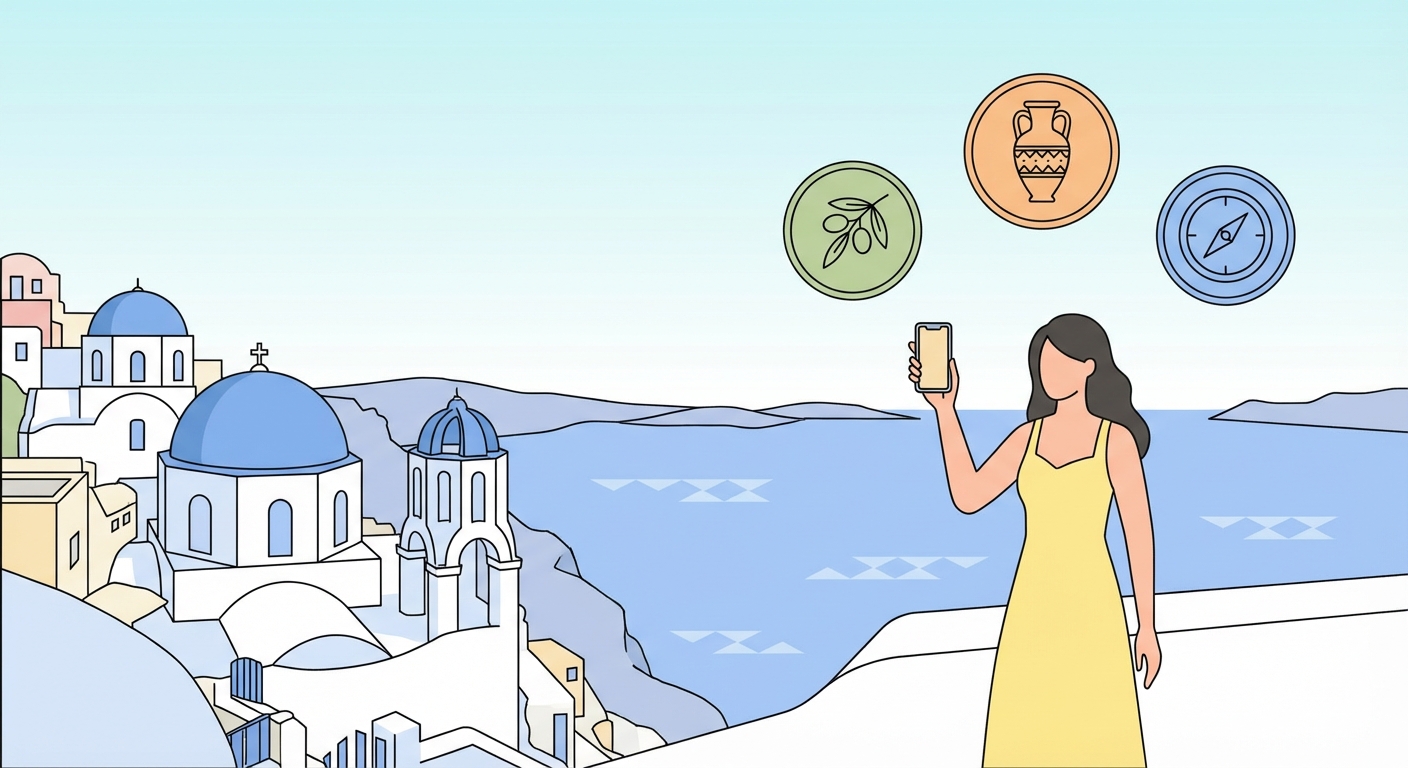
Greece packs an extraordinary amount of history, coastline, and culture into a relatively small area, but a first-time visitor can easily overreach. This seven-day itinerary is designed to be realistic rather than heroic. It focuses on two bases—Athens and a single island in the Cyclades—so you spend less time in transit and more time actually seeing things. The route works for most of the year (April through October), though ferry schedules thin out in the shoulder seasons.
How the Week Breaks Down
The logic is simple: start in Athens for three nights, then ferry to an island for three nights, returning to Athens for the final night before your flight home. This avoids the stress of same-day port-to-airport connections and gives you a buffer for ferry delays, which are not uncommon. The recommended island for a first-timer is Naxos. It is large enough to offer variety, has a well-preserved old town (the Kastro), excellent beaches, and is less frenetic than Santorini or Mykonos. It also has a reliable ferry connection from Piraeus (about 4–5 hours by conventional ferry, or 3 hours by high-speed).
Days 1–3: Athens (3 nights)
Arrive at Athens International Airport. Take the Metro (direct line to Syntagma or Monastiraki) or a pre-booked taxi (fixed fare around €40–€55 to the city centre). Stay in the Plaka, Monastiraki, or Syntagma area—these are walkable to the Acropolis and major archaeological sites.
Day 1: Arrival and Orientation
Settle in. If you arrive early, take a gentle walk through the National Garden and up to the Panathenaic Stadium. Avoid the Acropolis on day one—jet lag and afternoon heat are not a good combination. Instead, get a bearing from Filopappou Hill at sunset; the view of the Acropolis lit up is free and memorable.
Day 2: The Acropolis and the Archaeological Museum
Book an early-morning slot (8:00 AM) for the Acropolis. The combined ticket (€30, valid for five days) covers the Acropolis, Ancient Agora, Roman Agora, Hadrian’s Library, Kerameikos, and the Temple of Olympian Zeus. You will not see all of them—pick the Ancient Agora for the afternoon. The next day, dedicate two hours to the National Archaeological Museum (€12); it is world-class and air-conditioned, a welcome break from the heat.
Day 3: A Day Trip to Cape Sounion
Take the coastal bus from the KTEL station at Areopagitou Street (about 1.5 hours, €7 each way) to the Temple of Poseidon at Cape Sounion. Go in the late afternoon and stay for sunset. The site is exposed with little shade, so bring water and a hat. Alternatively, if you prefer a slower pace, swap Sounion for a morning at the Benaki Museum and an afternoon strolling the Anafiotika neighbourhood—a quiet, Cycladic-style enclave tucked under the Acropolis.
Days 4–6: Naxos (3 nights)
On the morning of day 4, take the Metro to Piraeus. Buy your ferry ticket in advance online (e.g., via Ferryhopper or the operator’s own site). For a first visit, choose a conventional ferry (Blue Star Ferries) for stability and deck space. High-speed ferries (Seajets, Hellenic Seaways) are faster but can be rough in wind. Arrive at Naxos port and walk to your accommodation in Naxos Town (Chora)—most hotels and studios are within a 10-minute walk.
Day 4: Arrival and Old Town
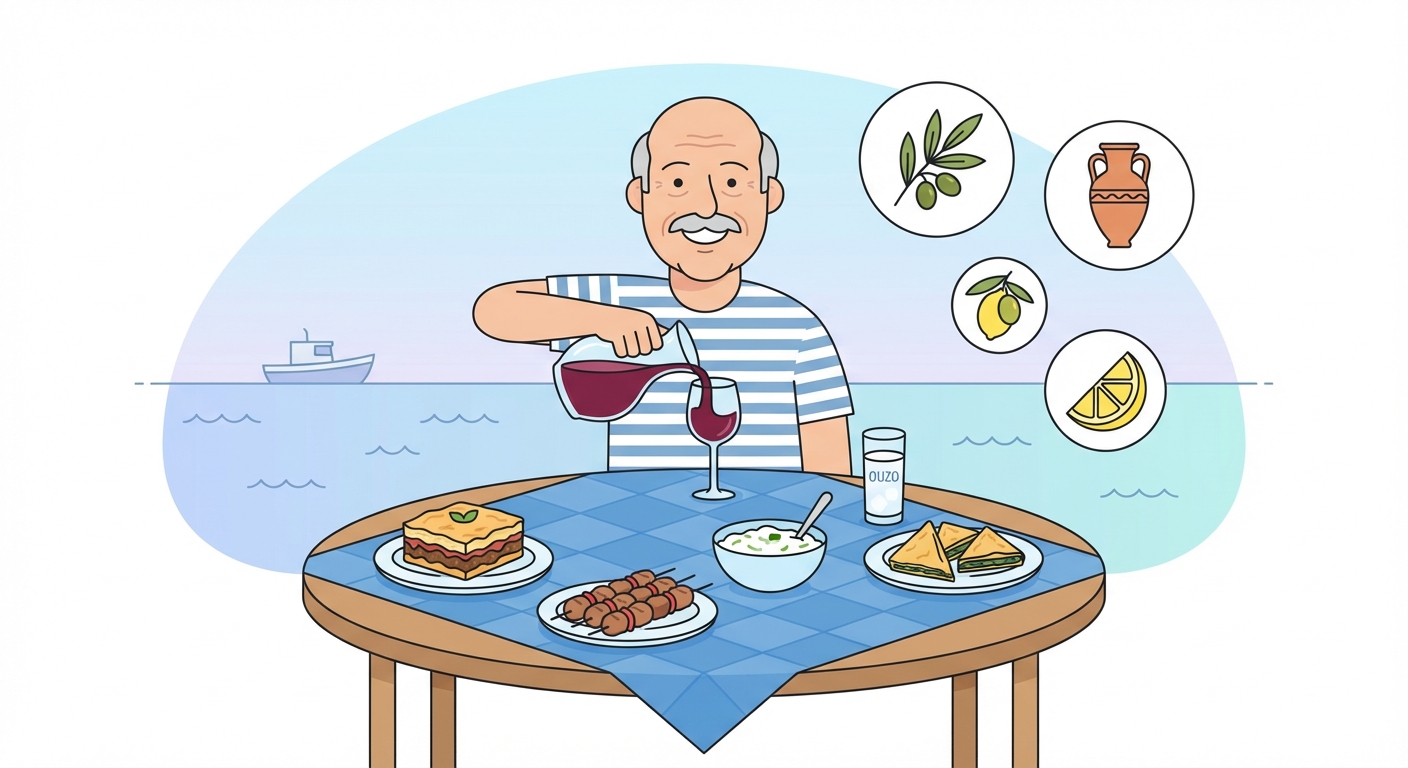
Drop bags, then explore the Kastro. Climb to the Venetian citadel for panoramic views. Dinner in the old harbour area (Paralia) is touristy but pleasant. Try a seaside taverna for grilled fish and local wine.
Day 5: Temple of Demeter and a Beach
Rent a car or scooter for the day (book ahead in summer). Drive inland to the Temple of Demeter at Sangri (free, 20 minutes from town). The site is peaceful and rarely crowded. Then head to Plaka Beach, a long stretch of sand south of Chora. There are a few organised sunbeds and tavernas, but you can also find quiet spots. Return the vehicle by evening.
Day 6: Day Trip to the Small Cyclades or a Slower Option
From Naxos port, take the small ferry (Express Skopelitis or similar) to Koufonisia—a 45-minute ride to a pair of islands with stunning turquoise waters and no cars. The ferry runs daily in summer (check the schedule at the port office). Spend the day swimming and walking the sandy paths. Return to Naxos in the late afternoon. If you prefer a slower day, stay on Naxos and hike the trail from Chora to the abandoned village of Apano Kastro, or simply rent a bicycle and ride to Agios Prokopios beach.
Day 7: Return to Athens and Departure
Catch a morning conventional ferry back to Piraeus (again, book in advance). Arrive at Piraeus around midday. Take the Metro to Syntagma and store your luggage at a left-luggage office (€5–€8 for a few hours). Use the afternoon for anything you missed: the National Garden, a last museum visit, or shopping for olive oil and herbs in the central market. Make your way to the airport by Metro or taxi at least three hours before your flight.
Practical Notes and Cautions
- Ferry tickets: Always book at least two days ahead in July and August. High-speed ferries can cancel due to strong winds (meltemi), especially in the Cyclades. If you are on a tight schedule, choose conventional ferries—they are slower but more reliable.
- Driving: Road signs in Greek script can be confusing outside Athens. A GPS or offline maps app is essential. Parking in Naxos Town is difficult in summer; leave the car at the edge of town.
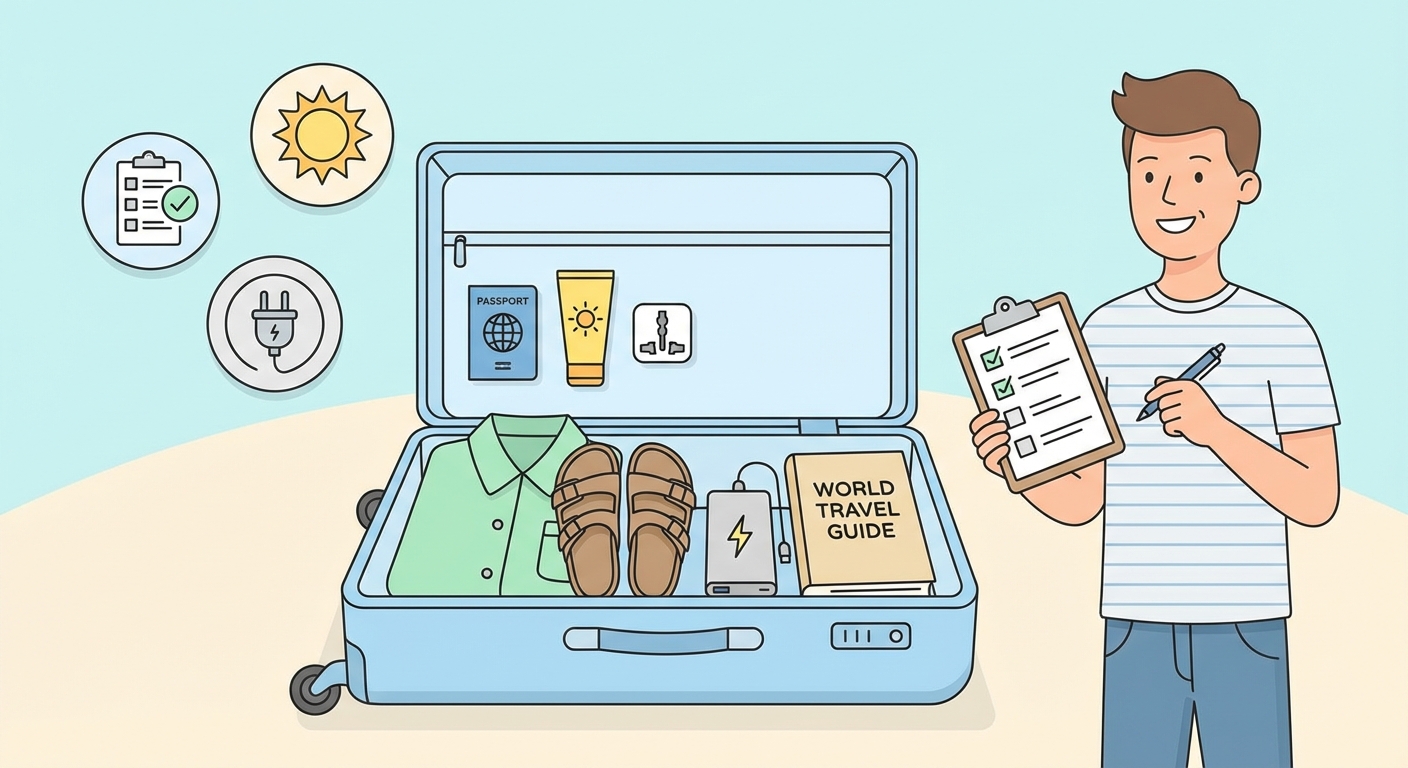
- Mobile data: Before you leave, arrange a Greece eSIM from a provider such as Airalo or Holafly. Download the eSIM profile before departure so you can activate it upon landing. This avoids hunting for a physical SIM card and keeps you connected for maps, ferry bookings, and emergency calls.
- Water: Tap water is safe in Athens but not always on the islands. On Naxos, buy bottled water for drinking. Carry a reusable bottle and refill at hotels that have filtered water.
- Pacing: This itinerary assumes you are comfortable with moderate walking and early starts. If you prefer a more relaxed trip, drop the Cape Sounion day trip and add an extra night in Athens, or skip Koufonisia and spend two full days on Naxos beaches.
Alternative for a Slower Pace
If the idea of two ferry crossings in one week feels too rushed, consider a land-only itinerary: four nights in Athens, then three nights in Nafplio (a 2-hour bus ride from Athens). Nafplio is a beautiful seaside town with Venetian architecture, a fortress, and easy day trips to Mycenae and Epidaurus. You lose the island experience but gain depth and eliminate ferry risk. For a first trip, the island version above gives a better taste of Greece’s variety; the land version is better if you hate sea travel or are visiting in winter when ferries are scarce.
Whichever route you choose, keep a flexible mindset. Ferries change, weather shifts, and a missed connection is rarely a disaster—Greeks are famously hospitable and used to helping stranded travellers. Enjoy the journey as much as the destination.