New Zealand's dramatic landscapes—from the geothermal wonders of Rotorua to the fjords of Milford Sound—demand thoughtful packing. This island nation spans two countries with vastly different climates, unpredictable weather, and remote regions where self-sufficiency matters. Whether you're hiking the Tongariro Alpine Crossing or exploring Wellington's vibrant café culture, the right gear transforms your trip from manageable to magical.
Clothing and Footwear Essentials
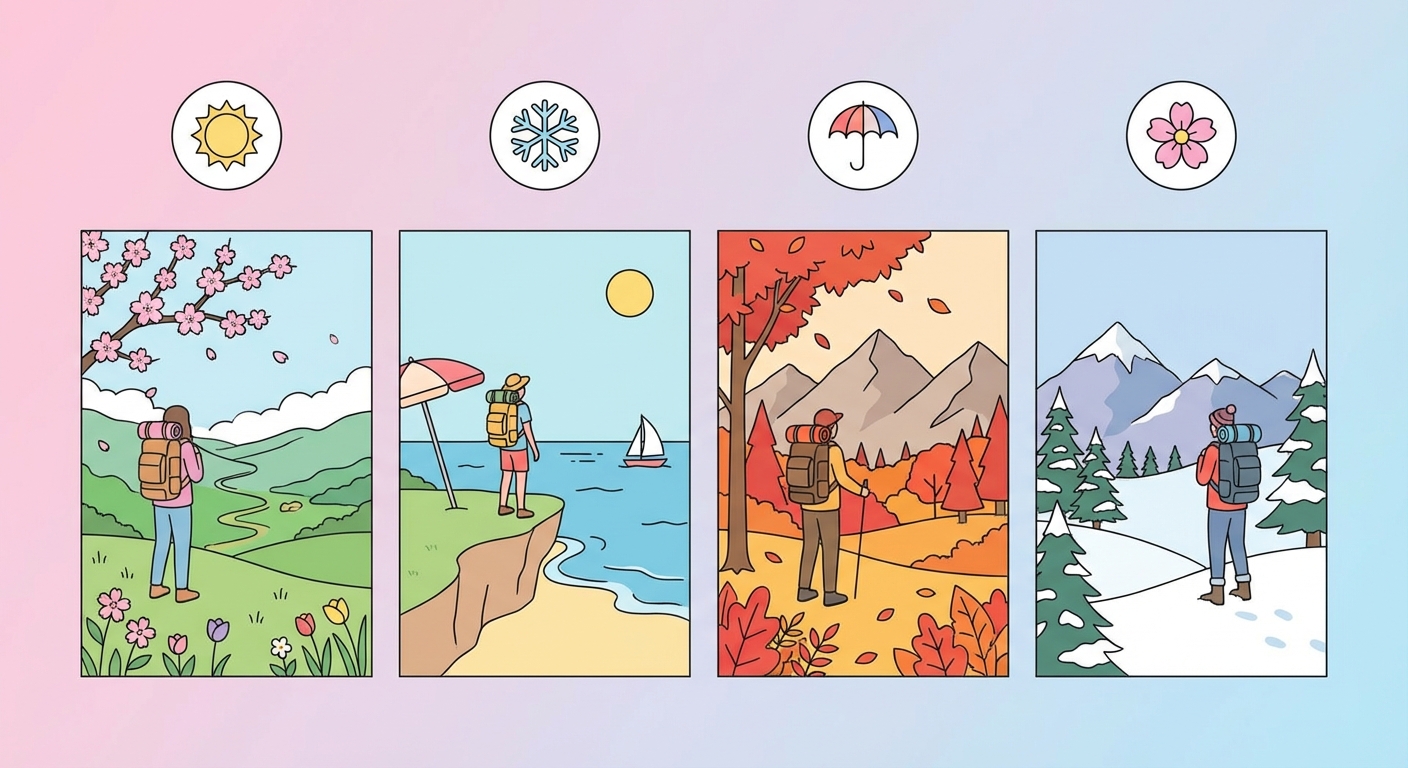
New Zealand's weather is notoriously changeable—locals joke that you can experience all four seasons in a single day. Pack layers: merino wool base layers, fleece jackets, and a waterproof outer shell are non-negotiable. Even summer visitors (December–February) need rain protection.
- Sturdy hiking boots with good ankle support for tramping (New Zealand's term for hiking)
- Lightweight, quick-dry clothing for unexpected showers
- A warm beanie and gloves, even in summer months
- Swimwear for thermal pools in Rotorua and pristine beaches
- Comfortable walking shoes for city exploration
- Sun hat and sunglasses—the Southern Hemisphere sun is intense
If you plan to visit in winter (June–August), bring insulated jackets and thermal underwear. Popular ski fields like Coronet Peak near Queenstown operate June through August, so serious skiers should pack appropriate gear or rent locally.
Adventure Gear and Equipment
New Zealand is an adventure lover's playground. Whether you're kayaking, rock climbing, or mountain biking, certain items enhance safety and comfort.
- A lightweight backpack (40–50L) for day hikes
- Reusable water bottle—tap water is excellent throughout New Zealand
- Sunscreen (SPF 50+) and lip balm with SPF
- Insect repellent for sandflies on the West Coast and mosquitoes in warmer regions
- A dry bag for protecting electronics during water activities
- Trekking poles to reduce knee strain on demanding trails
- Headlamp or small torch for early morning departures
For longer tramps like the Milford Track or Kepler Track, bring a sleeping bag rated for cool temperatures, even in summer. Many trails have huts with bunks but no bedding provided.
Documents, Connectivity, and Health Items
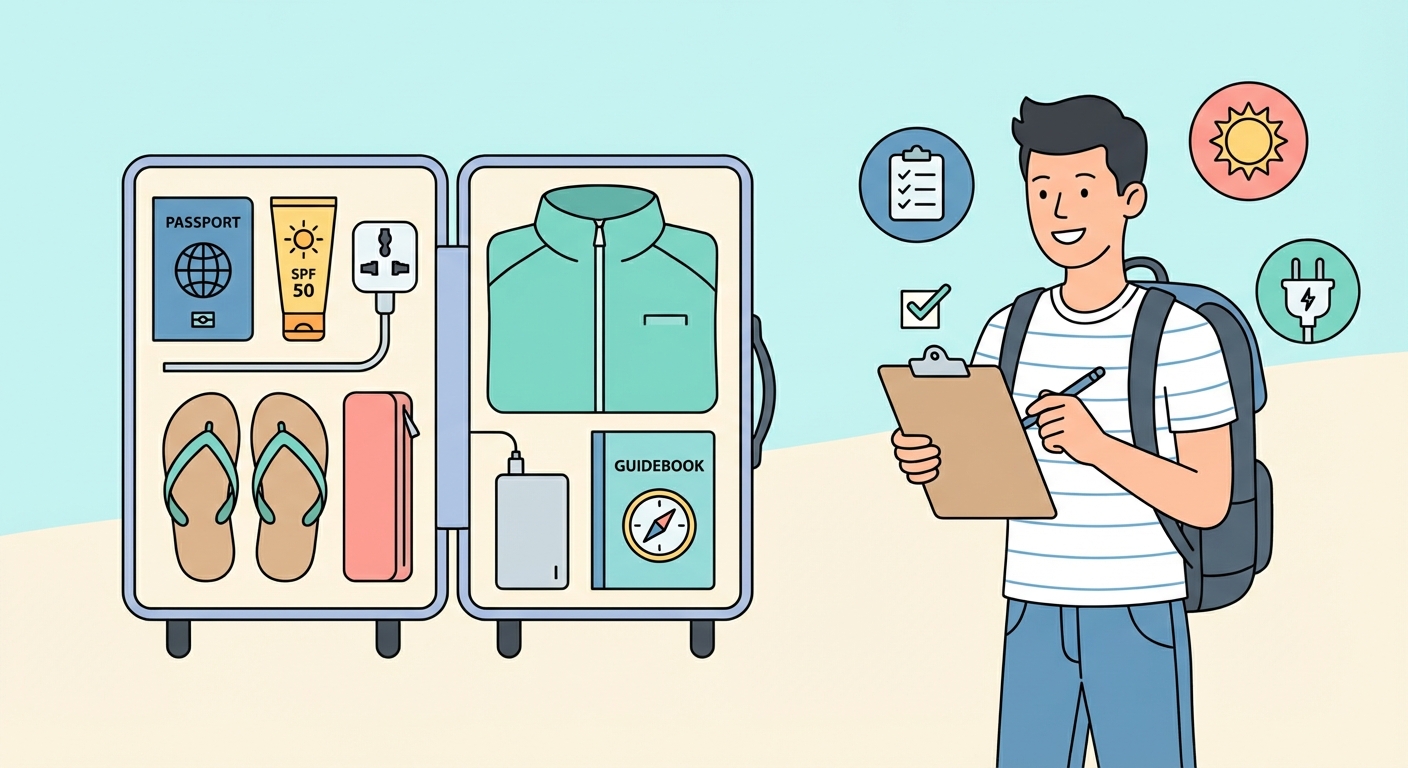
Before departing, ensure your passport is valid for at least three months beyond your planned departure. Most visitors need an Electronic Travel Authority (ETA) or visitor visa—apply online before travel.
For staying connected across remote areas, consider getting an eSIM from uPhone before you arrive. With uPhone's eSIM, you'll have reliable data coverage for navigation, communication, and sharing your adventure photos without the hassle of finding a physical SIM card or relying on sporadic WiFi in rural areas. This is especially valuable when exploring regions like Central Otago or the Coromandel Peninsula.
- Copies of travel insurance documents (essential for adventure activities)
- Prescription medications in original containers with labels
- Basic first aid kit: blister treatment, pain relief, antihistamines, and anti-diarrheal medication
- Sunscreen and after-sun lotion
- Any specific medications prescribed by your doctor
New Zealand has excellent healthcare, but treatment can be expensive for non-residents. Purchase comprehensive travel insurance covering medical emergencies, trip cancellation, and adventure activities.
Power Adapters and Practical Items
New Zealand uses Type I electrical outlets (three flat pins in a triangular pattern). Bring a universal adapter or purchase one locally—they're readily available at airports and supermarkets.
- Universal power adapter for Type I outlets
- Portable phone charger for long days outdoors
- Waterproof phone case for water activities
- Small notebook and pen for journaling or jotting down recommendations from locals
- Refillable toiletries bag—many accommodations provide basics, but bringing favorites saves money
New Zealand is increasingly contactless, but carry a credit card and some cash. Small towns and rural areas may not accept card payments everywhere.
Packing thoughtfully for New Zealand means you'll be prepared for sudden weather changes, remote hiking, and spontaneous adventures. The key is balancing versatility with weight—you'll do plenty of walking. Start with these essentials, adjust for your specific itinerary, and you're ready to explore one of Earth's