🇯🇵 eSIM for Japan
- Unlimited data
- 7-day validity
- Fast and reliable internet
- No more roaming charges
- Instant QR code by email
* As low as price reflects the cheapest per-day rate, based on the longest available unlimited data plan duration.







Fast and reliable data in Japan
- Crystal-clear video calls across Japan, no delays
- Share photos and stories from Japan in seconds
- Navigate Japan confidently with live maps
- Stream music and podcasts on the go
 WhatsApp
 Instagram
 Google Maps
 Spotify
 Google Translate
 TikTok
Get your Japan eSIM in 3 easy steps
No store visit. No physical SIM. Works on any eSIM-compatible phone.
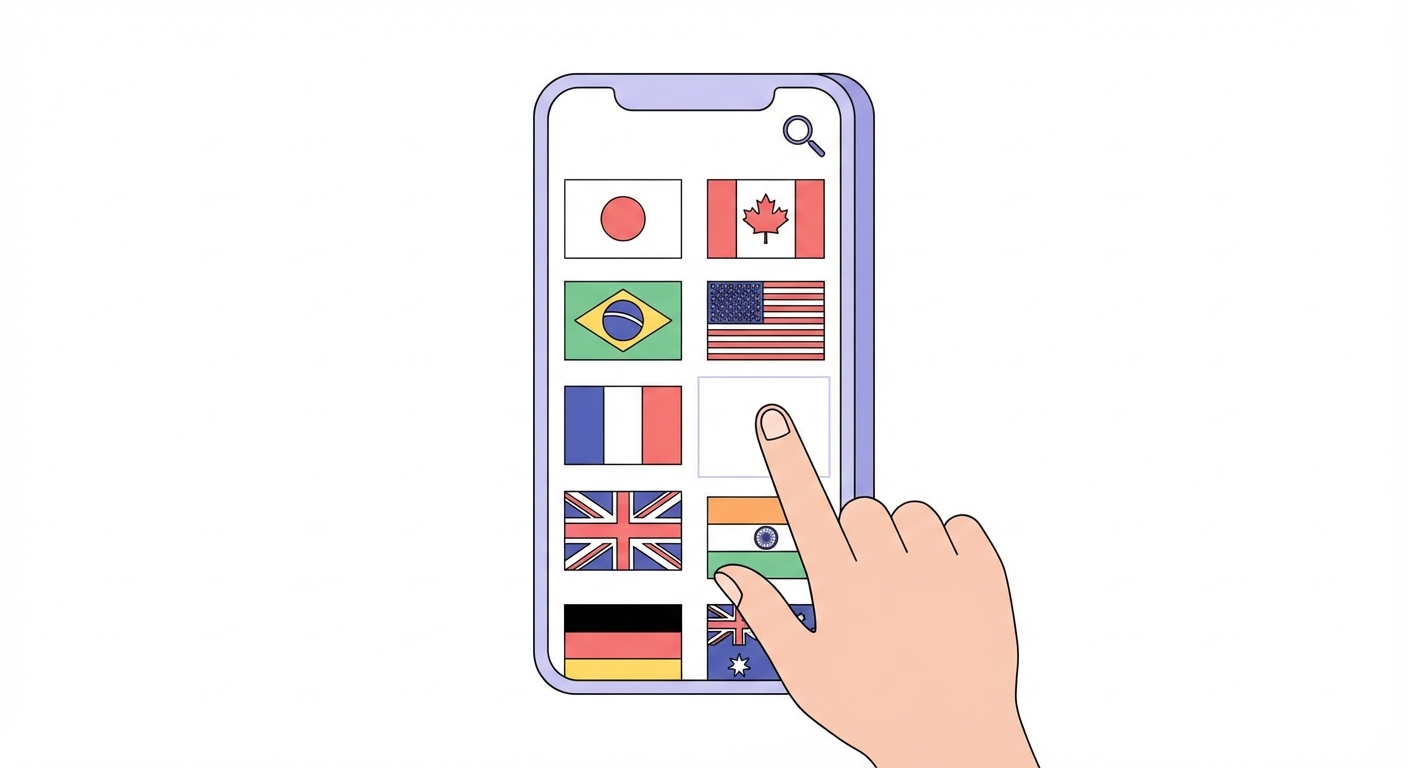
Select Unlimited or Data, pick how many days you need for Japan.
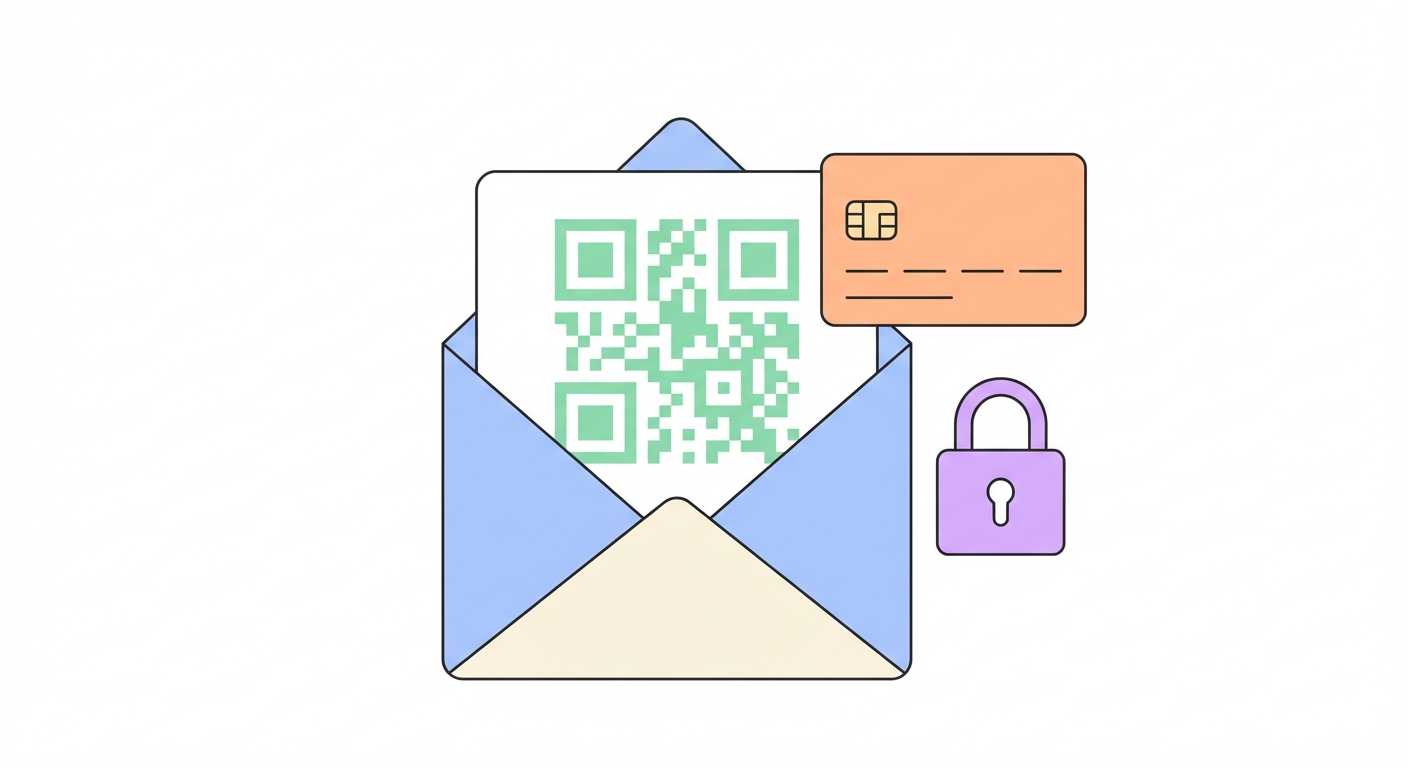
Use the QR code sent to your email — takes under 2 minutes on any eSIM phone.
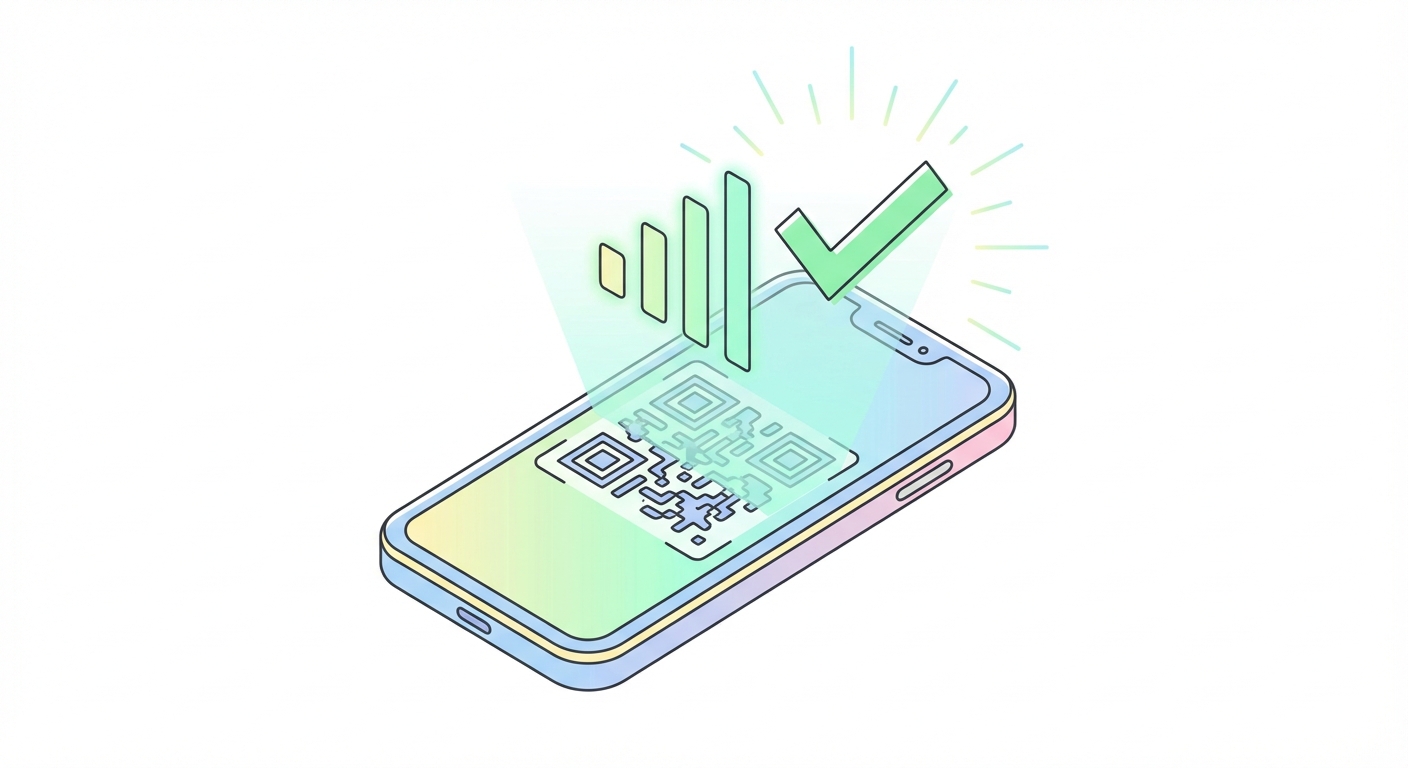
Turn on your eSIM when you land in Japan and enjoy instant connectivity.
Why choose uPhone for Japan?
Why choose us?
See how uPhone compares with other options in Japan.
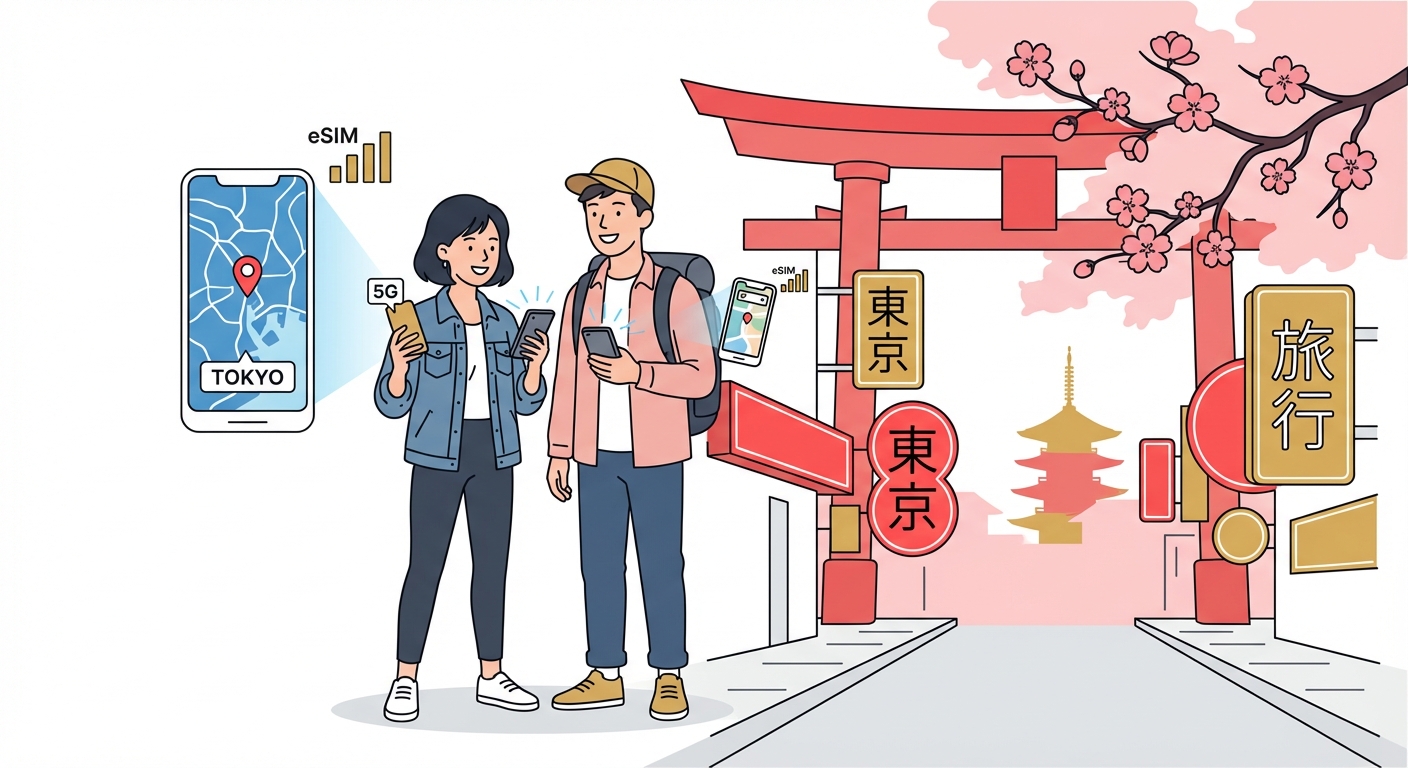

The most recommended Japan eSIM — see for yourself.
"Activated in under a minute at the airport. Had 5G before I even reached baggage claim. Absolutely seamless."
"Used the unlimited plan for my Japan trip — never ran out of data, streamed Netflix every night."
"The QR code arrived instantly after payment. Setup took 90 seconds. I was connected before the flight even boarded."
"Switched from my old roaming add-on and never looked back. Faster speeds and a fraction of the cost. Brilliant."
"Super easy to set up. The whole process took about 3 minutes. Way cheaper than roaming with my home carrier."
"Bought plans for the whole family. Worked perfectly everywhere. Will never travel without uPhone again."
eSIM prices for Japan
All prices in SGD

Enjoy your Japan vacation
Japan is a country of beautiful contradictions — ancient temples tucked between glass-and-steel skyscrapers, bullet trains that run to the second, and ryokan inns where time slows to the rhythm of a tea ceremony. From the neon chaos of Tokyo's Shinjuku to the moss-carpeted paths of Kyoto's Arashiyama bamboo grove, every region delivers its own distinct character. Whether you're chasing cherry blossoms in spring, soaking in an onsen with mountain views, or wandering a lantern-lit festival, Japan rewards every kind of traveller. With a uPhone eSIM active before you land, you'll have instant access to maps, translation apps, and Google Maps on Japan's fast 4G/5G network — no expensive roaming, no airport SIM queues.
Top attractions in Japan
Japan packs an extraordinary range of experiences into a relatively compact archipelago — from World Heritage temple complexes and imperial gardens to volcanic peaks and colourful pop-culture districts. These are the highlights no first-time visitor should miss.
- Senso-ji Temple, Tokyo — Tokyo's oldest and most iconic temple in the Asakusa district. Visit at dawn before the crowds arrive for an almost meditative experience.
- Fushimi Inari Shrine, Kyoto — Thousands of vermillion torii gates winding up a forested mountain. Hike past the tourist crowds to the upper trails for sweeping city views.
- Arashiyama Bamboo Grove, Kyoto — A towering corridor of bamboo that sways and whispers in the wind. Best visited early morning when light filters through the canopy.
- Hiroshima Peace Memorial Park — A moving and essential site built around the Atomic Bomb Dome, accompanied by a world-class museum that tells the story with unflinching honesty.
- Mount Fuji & Fuji Five Lakes — Japan's sacred volcano is climbable July–September; the rest of the year, view it from Lake Kawaguchiko for the classic reflection shot.
- Dotonbori, Osaka — Osaka's famous entertainment canal, lined with giant mechanical crabs, ramen signs, and takoyaki stalls. The beating heart of Japan's food capital.

Popular foods to try in Japan
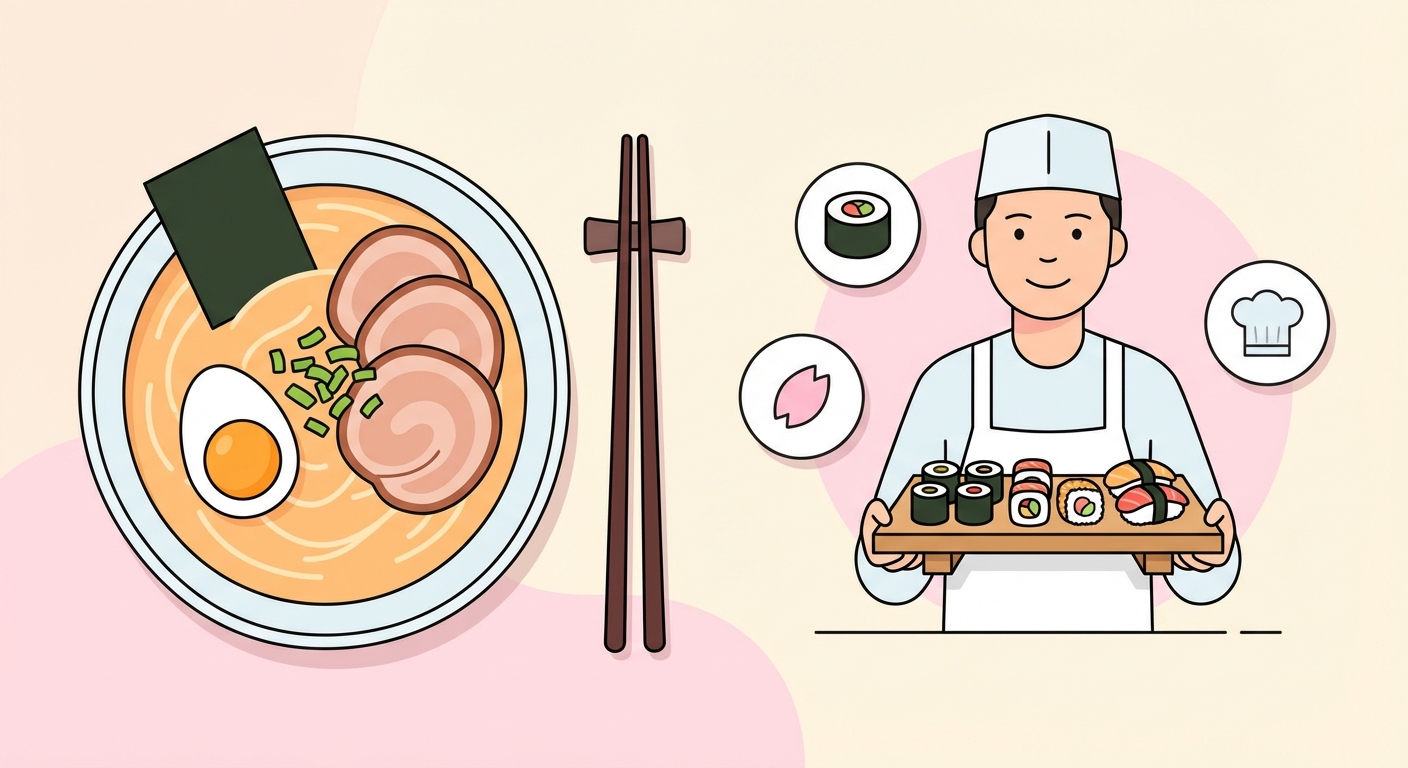
Japanese cuisine is built on the principle of shokunin — artisan mastery applied to a single dish. From world-renowned sushi to soul-warming ramen, each regional style has been refined over generations. Eating in Japan is one of the great pleasures of any trip.
- Ramen — Rich pork (tonkotsu), soy (shoyu), or miso-based broth with chewy noodles, chashu pork, soft-boiled egg and nori. Every city has its own style — Hakata, Sapporo, Tokyo all differ dramatically.
- Sushi & Sashimi — Fresh, pristine, and precise. Try a conveyor-belt kaiten-zushi for casual dining or splurge at an omakase counter where the chef chooses each piece.
- Takoyaki — Osaka's famous octopus balls: crispy outside, molten inside, topped with bonito flakes, mayo and sweet-savory sauce.
- Tempura — Light, airy battered seafood and vegetables fried to golden perfection. Best eaten freshly made at a dedicated tempura counter.
- Yakiniku (BBQ) — Grill your own premium wagyu beef and pork belly over charcoal at the table. An unmissable social dining experience.
- Matcha everything — Green tea ice cream, matcha lattes, warabi mochi dusted in matcha powder — Japan's obsession with this earthy flavour produces some of the world's best tea-based desserts.
Best time to visit Japan
Spring (late March–early May) is Japan's most iconic season — cherry blossoms (sakura) transform parks and riverbanks into clouds of pink and white. Crowds are heavy but the atmosphere is electric, especially in Kyoto's Maruyama Park and Tokyo's Ueno Park. Book accommodation months in advance.
Autumn (October–November) is equally spectacular: maple foliage (koyo) blazes red and gold across mountain temples and forest parks. Temperatures are crisp and comfortable, and tourist numbers are lower than spring. Nikko, Kyoto's Eikan-do and Hokkaido's Daisetsuzan are prime foliage destinations.
Summer (June–August) is hot and humid, with the rainy season (tsuyu) in June–July. However, summer brings vivid festivals (Gion Matsuri in Kyoto, Awa Odori in Tokushima) and spectacular fireworks displays. Winter (December–February) is cold in Honshu but ideal for skiing in Hokkaido and Nagano, and offers uncrowded visits to temples dusted with snow.

What to pack for your visit to Japan
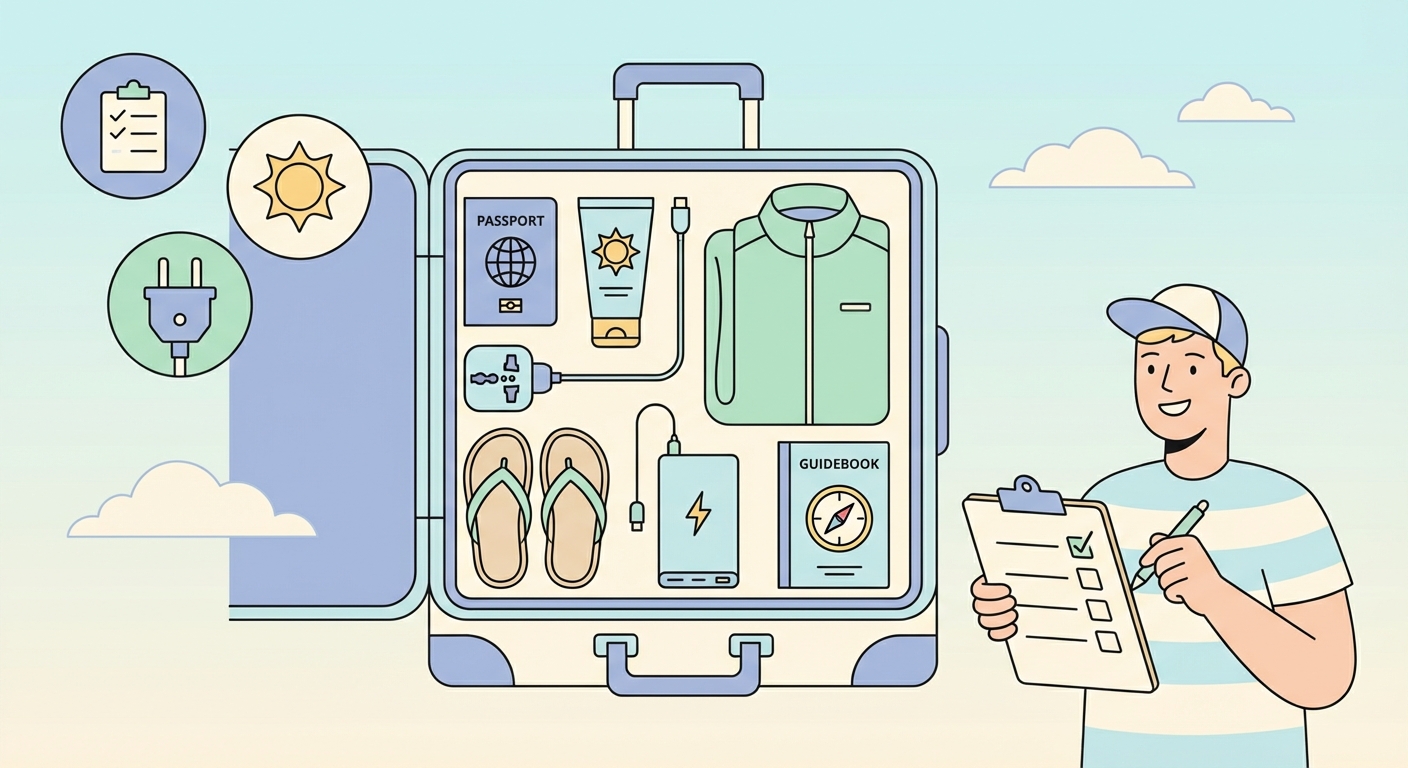
Japan is exceptionally well-organised and you can buy almost anything on arrival, but a few essentials will make your trip significantly smoother — especially around digital access, payments and cultural etiquette.
- IC card or cash — Get a Suica or Pasmo card for trains and convenience stores. Many small restaurants, temples and rural vendors are cash-only, so carry some yen.
- Comfortable walking shoes — You will walk 15,000–20,000 steps per day in cities. Choose shoes that slip on and off easily — you'll remove them frequently at temples and traditional restaurants.
- Portable umbrella — Japanese convenience stores sell excellent fold-up umbrellas cheaply, but having one avoids the scramble when sudden rain hits.
- Pocket tissues & hand sanitiser — Public toilets often have no paper towels. Pocket tissues are used everywhere.
- Layers for variable weather — Even in summer, air conditioning in shops and trains is aggressive. A light cardigan or jacket is always useful.
- Your uPhone eSIM — Activate before boarding. Japan's 5G network (SoftBank/NTT Docomo) offers blanket urban coverage and strong signal even in temple valleys and mountain towns.
Frequently Asked Questions
Everything you need to know about your Japan eSIM
Need help? We're here for you.
Questions before or during your trip — our support team is always available via live chat and email. Typical response time under 2 minutes.
Chat with us
Bundle Japan with other nearby countries.
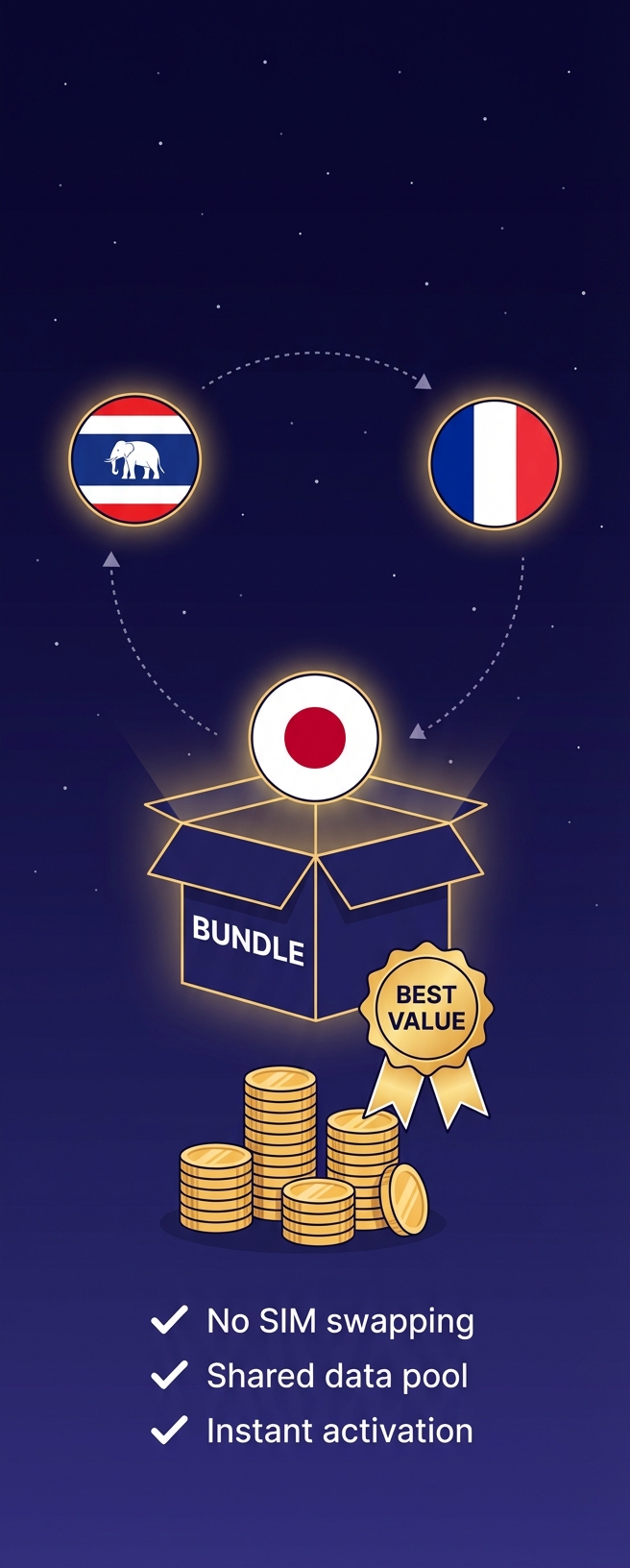
Multiple countries.
Other uPhone eSIM destinations
Explore eSIM plans for more countries around the world.