Thailand is a year-round destination, but timing your visit right can make a huge difference in your experience. With three distinct seasons and vibrant festivals throughout the year, understanding when to travel helps you avoid crowds, find better prices, and experience Thailand at its best. Whether you're drawn to tropical beaches, mountain temples, or bustling night markets, this month-by-month guide will help you plan the perfect Thai adventure.
Thailand's Three Seasons Explained
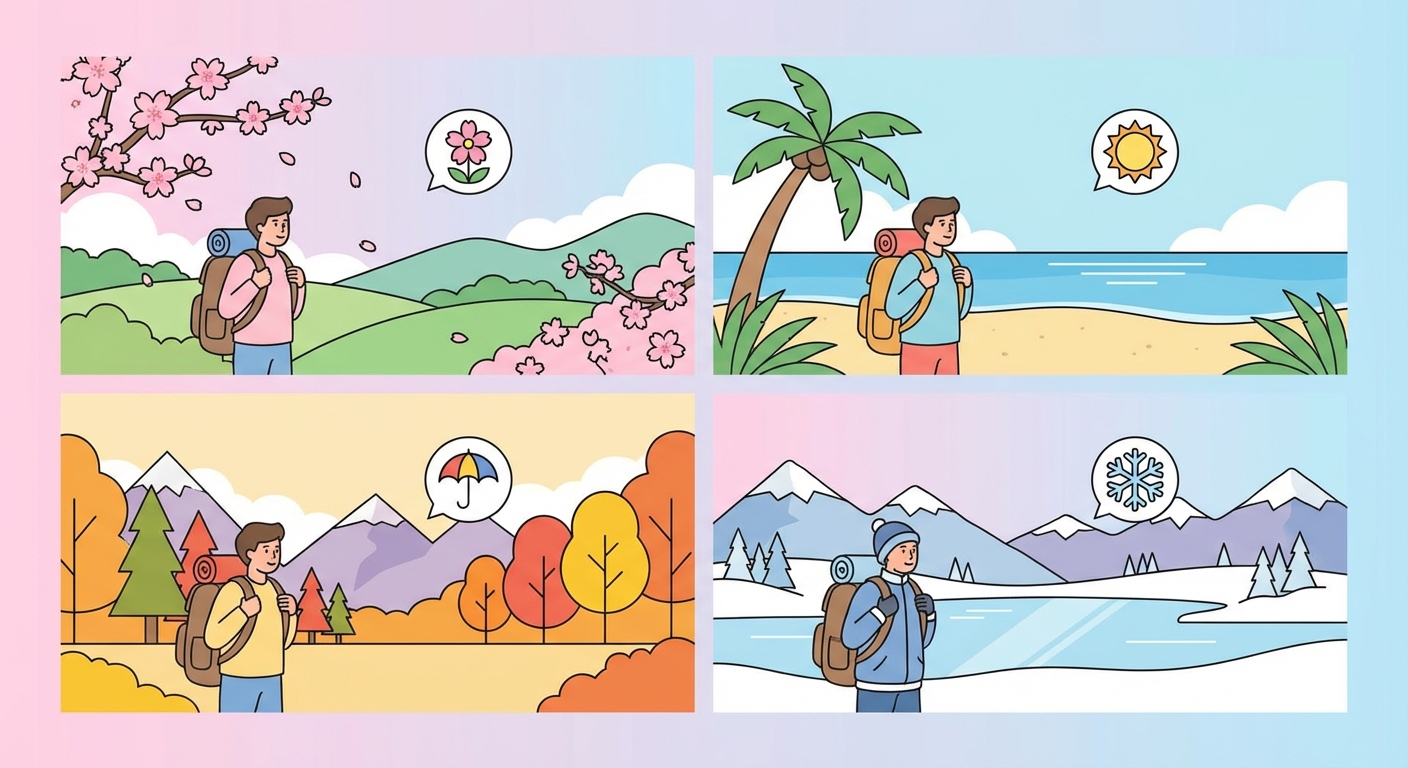
Thailand's climate revolves around three main seasons, each with distinct characteristics that affect everything from your packing list to your activity options.
Cool Season (November to February)
This is widely considered the best time to visit Thailand. Temperatures range from 20–30°C (68–86°F), with low humidity and minimal rainfall. The weather is perfect for exploring temples, hiking in northern mountains, and enjoying outdoor markets without melting. Chiang Mai and Chiang Rai are especially beautiful during this season, with clear skies ideal for trekking to waterfalls and visiting elephant sanctuaries. Coastal areas like Phuket and Krabi offer brilliant sunshine and calm seas for island hopping and snorkeling.
Hot Season (March to May)
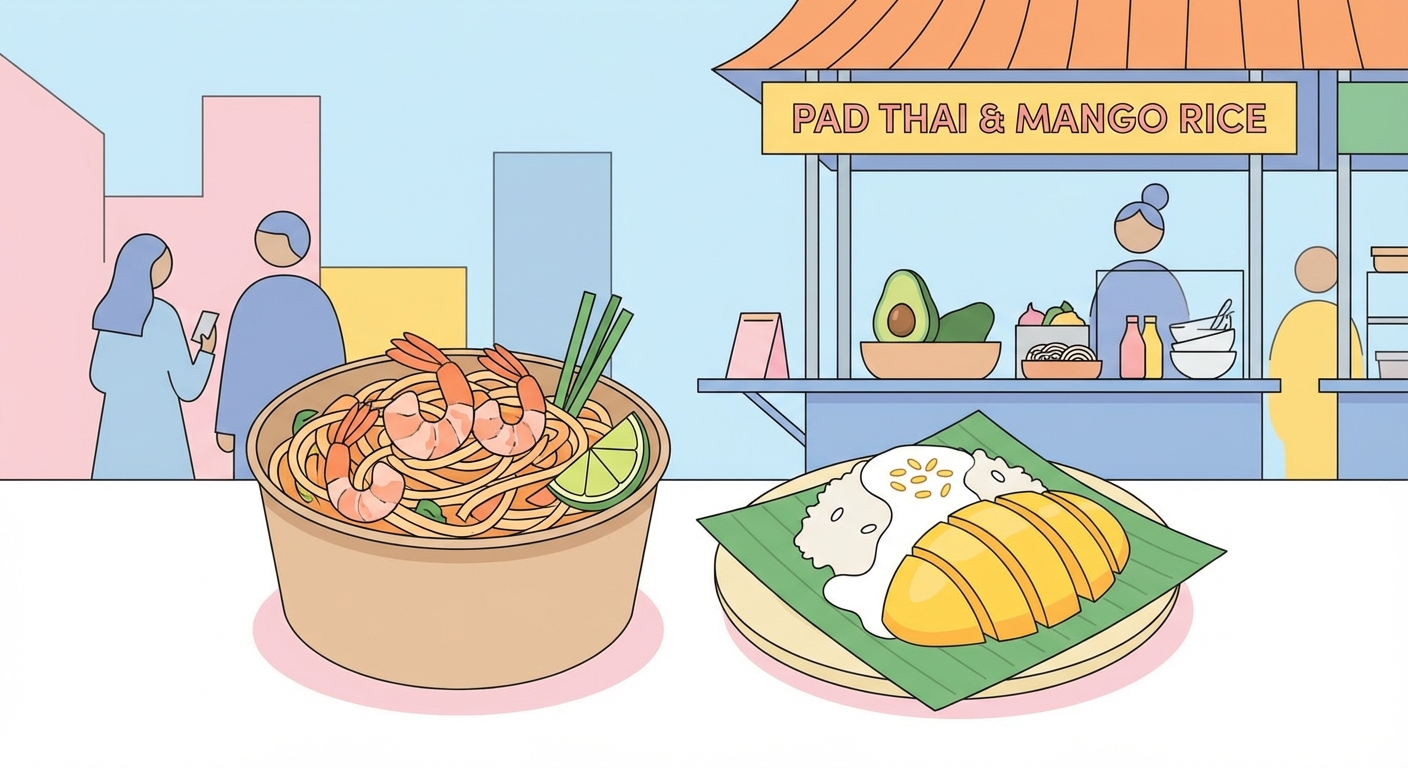
Expect intense heat—often exceeding 35°C (95°F)—with high humidity and occasional afternoon storms. This is low season, meaning cheaper accommodations and fewer tourists, but you'll be sweating through your clothes. This season suits budget travelers and those seeking solitude. Many travelers use this time to visit air-conditioned temples, indoor museums, or retreat to higher elevations like Chiang Mai's old city. Local markets are less crowded, and street food vendors offer refreshing mango shakes and papaya salads.
Rainy Season (June to October)
Monsoon rains dominate, with afternoon downpours and occasional flooding in some areas. Despite the name, it's not constantly raining—mornings are often clear. Green landscapes, fewer tourists, and budget prices make this season appealing to flexible travelers. This is when Thailand's rice paddies flourish, creating stunning photographic opportunities around Chiang Rai and the central plains. Expect occasional closures on southern islands, but the Andaman coast and Gulf islands remain accessible.
Month-by-Month Breakdown
January: Peak season. Perfect weather in the north and south. Book accommodations early. Expect higher prices and crowds at popular spots like the Grand Palace and floating markets.
February: Still excellent weather, slightly fewer crowds than January. Great for beach time and temple visits. Phuket Vegetarian Festival (varies by year) draws visitors and features incredible plant-based street food.
March–April: Songkran (Thai New Year) occurs mid-April, featuring water festivals, parades, and family gatherings. It's chaotic but culturally rich. Avoid if you dislike crowds; embrace it if you want authentic celebration.
May–June: Transition to rainy season. Hot and humid, but prices drop significantly. Fewer tourists at major attractions. Great for visiting temples without queues.
July–August: Rainy but lush. Local festivals and fewer foreign travelers. Visit Bangkok's night markets and national museums. North Thailand's temples glow with fresh green surroundings.
September–October: Peak rainy season, but clearing toward month's end. Excellent deals on hotels. Ideal for trekking in the north when conditions improve.
November–December: Back to perfect weather. Christmas holidays mean moderate crowds. Loy Krathong (November) is a stunning festival where locals float decorated baskets on water—attend festivals in Sukhothai for the most spectacular display.
Peak vs. Off-Peak Travel
Peak Season (November–February): Premium prices, crowded tourist sites, fully booked accommodations, but perfect weather. Book 2–3 months in advance.
Off-Peak Season (May–September): Budget-friendly, authentic experiences, shorter queues, but expect heat and rain. Last-minute bookings offer better deals.
Practical Tips
- Pack light layers and a rain jacket regardless of season
- Download offline maps before traveling—use an eSIM from uPhone to maintain reliable data connectivity throughout your journey while exploring remote temples and island villages
- Respect local customs during religious festivals by wearing modest clothing at temples
- Try seasonal fruits: mangoes in April, longans in July, pomelos in October
- Stay hydrated in hot and cool seasons alike