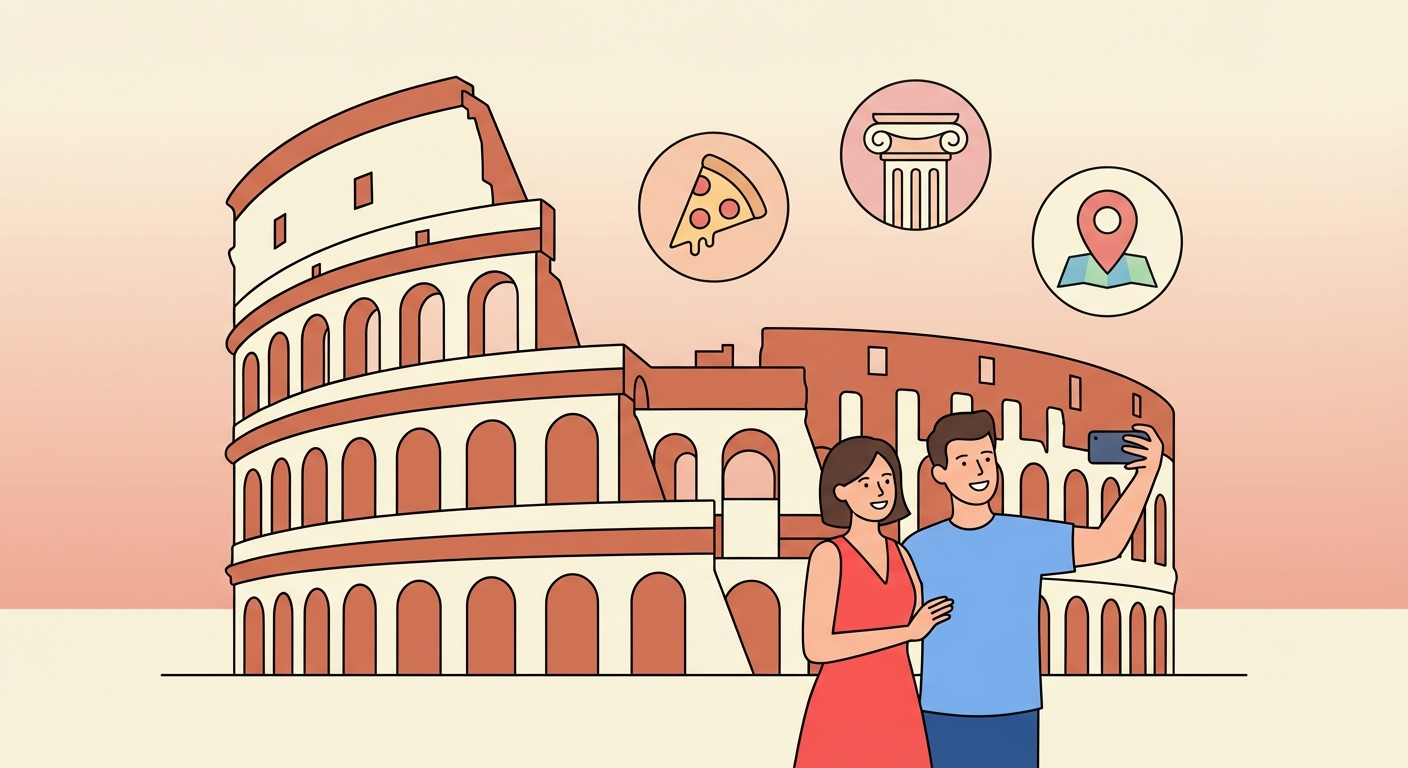
Italy is a culinary paradise where every region boasts its own distinct flavours, traditions, and iconic dishes passed down through generations. From the moment you arrive, you'll discover that Italian food culture isn't just about eating—it's about savouring moments, connecting with locals, and experiencing the soul of each destination. Whether you're exploring bustling street markets in Rome or discovering hidden trattorias in rural Tuscany, Italian cuisine offers unforgettable tastes that will stay with you long after your journey ends.
Street Food and Regional Specialties
Italy's street food scene is vibrant and authentic, offering quick bites that pack serious flavour. In Naples, you must try arancini—golden-fried rice balls filled with ragù, peas, and mozzarella. These handheld treasures are perfect for exploring the city while staying fuelled. Visit the busy street vendors around Spaccanapoli for the most genuine versions.
Sicily introduces you to sfincione, a thick-crust pizza topped with tomato sauce, onions, anchovies, and breadcrumbs. Street vendors in Palermo's Vucciria Market serve it fresh from wood-fired ovens. For something lighter, try panelle—crispy fried chickpea fritters that locals enjoy as a quick snack or tucked into a sandwich.
In Rome, grab a slice of pizza al taglio from any corner bakery. Unlike the sit-down pizzeria experience, these rectangular slices are cut to order and priced by weight. The crust should be crispy outside, pillowy within, and topped simply with quality tomatoes and olive oil.
- Arancini in Naples—rice balls with ragù and mozzarella
- Sfincione in Sicily—thick Sicilian pizza with breadcrumbs
- Panelle in Palermo—fried chickpea fritters
- Pizza al taglio in Rome—rectangular slices by weight
- Focaccia in Liguria—olive oil flatbread with sea salt
Iconic Pasta and Signature Dishes
Pasta isn't universal across Italy—regional pride runs deep. In Rome, cacio e pepe is sacred: just spaghetti, Pecorino Romano cheese, and cracked black pepper combined into creamy perfection. Carbonara follows similar minimalist philosophy with guanciale (cured pork jowl), eggs, and cheese. Order these dishes at traditional Roman trattorias like Flavio al Velavevodetto or Armando al Pantheon for authenticity.
In Bologna, lasagna alla bolognese and tagliatelle al ragù represent centuries of culinary excellence. The meat sauce simmers for hours, creating depth impossible to rush. Florence celebrates bistecca alla fiorentina—a massive T-bone steak grilled simply over flames, seasoned only with salt and served rare. It's theatrical, meaty, and utterly unforgettable.
Liguria's pesto sauce, made from basil, garlic, pine nuts, and olive oil, transforms simple pasta into something magical. In Venice, seafood dominates: risotto al nero di seppia (squid ink risotto) and spaghetti alle vongole (spaghetti with clams) showcase the Adriatic's bounty.
Restaurant Culture and Dining Tips
Italian dining culture emphasises quality ingredients, proper timing, and genuine hospitality. Lunch typically runs 12:30 PM to 2:30 PM, while dinner starts around 8 PM. Many restaurants close between services, so plan accordingly.
For authentic experiences, seek out family-run trattorias in residential neighbourhoods rather than tourist-heavy areas. Look for places where locals eat—these establishments maintain standards because their community holds them accountable. Check online reviews on Google Maps and TripAdvisor, but also ask your hotel staff for personal recommendations.
Expect seasonal menus reflecting what's currently available. Spring brings artichokes and asparagus; summer offers tomatoes and courgettes; autumn features mushrooms and truffles; winter showcases hearty soups and preserved vegetables. This commitment to seasonality ensures the best flavours.
Planning Your Culinary Journey
Before you travel, grab an eSIM from uPhone to stay connected throughout your food adventures. With reliable data access, you can easily translate menus, navigate to hidden food markets, share your discoveries on social media, and book reservations at popular restaurants without worrying about roaming charges.
Take a cooking class in Tuscany, join a market tour in Rome's Campo de' Fiori, or simply wander street markets with an open mind and hungry stomach. Food in Italy tells stories—of history, geography, and passionate people. By eating thoughtfully and respectfully, you'll understand Italy far deeper than any guidebook allows.