Germany transforms dramatically across the seasons, offering distinctly different experiences depending on when you visit. Whether you dream of exploring fairy-tale Christmas markets in December or hiking through alpine meadows in summer, understanding Germany's weather patterns and festival calendar will help you plan the perfect trip. This guide breaks down what to expect month by month, from peak tourist season to hidden gems only locals know about.
Seasonal Overview: Weather and What to Pack
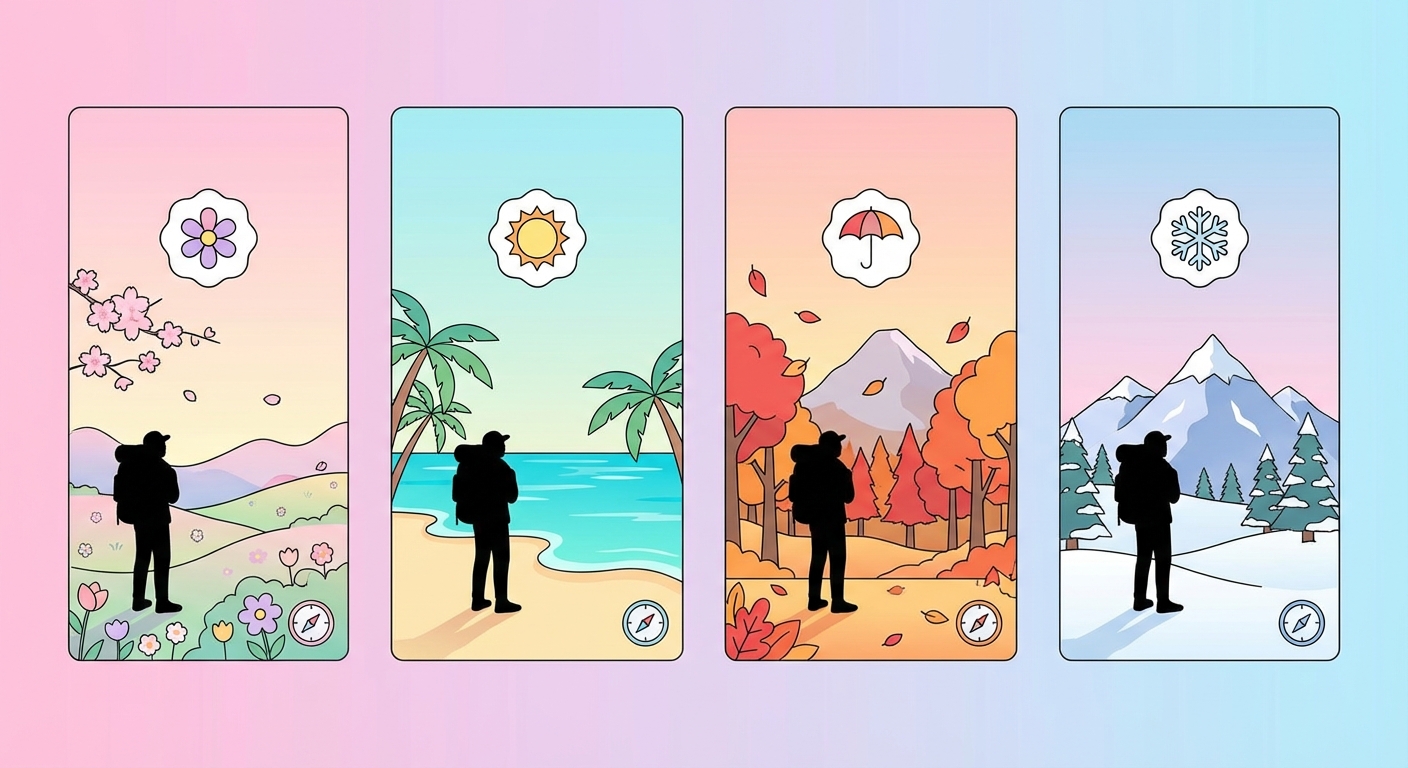
Germany experiences four distinct seasons, each with its own charm and challenges. Spring (March–May) brings mild temperatures ranging from 8–15°C, perfect for wandering through Berlin's gardens or cycling along the Rhine. Summer (June–August) is warm and sunny, with temperatures between 20–25°C, making it ideal for outdoor exploration but also the busiest season. Autumn (September–November) offers crisp air, golden foliage, and temperatures dropping from 15°C to 5°C. Winter (December–February) can be cold and snowy, averaging -2–3°C, but creates magical holiday atmospheres.
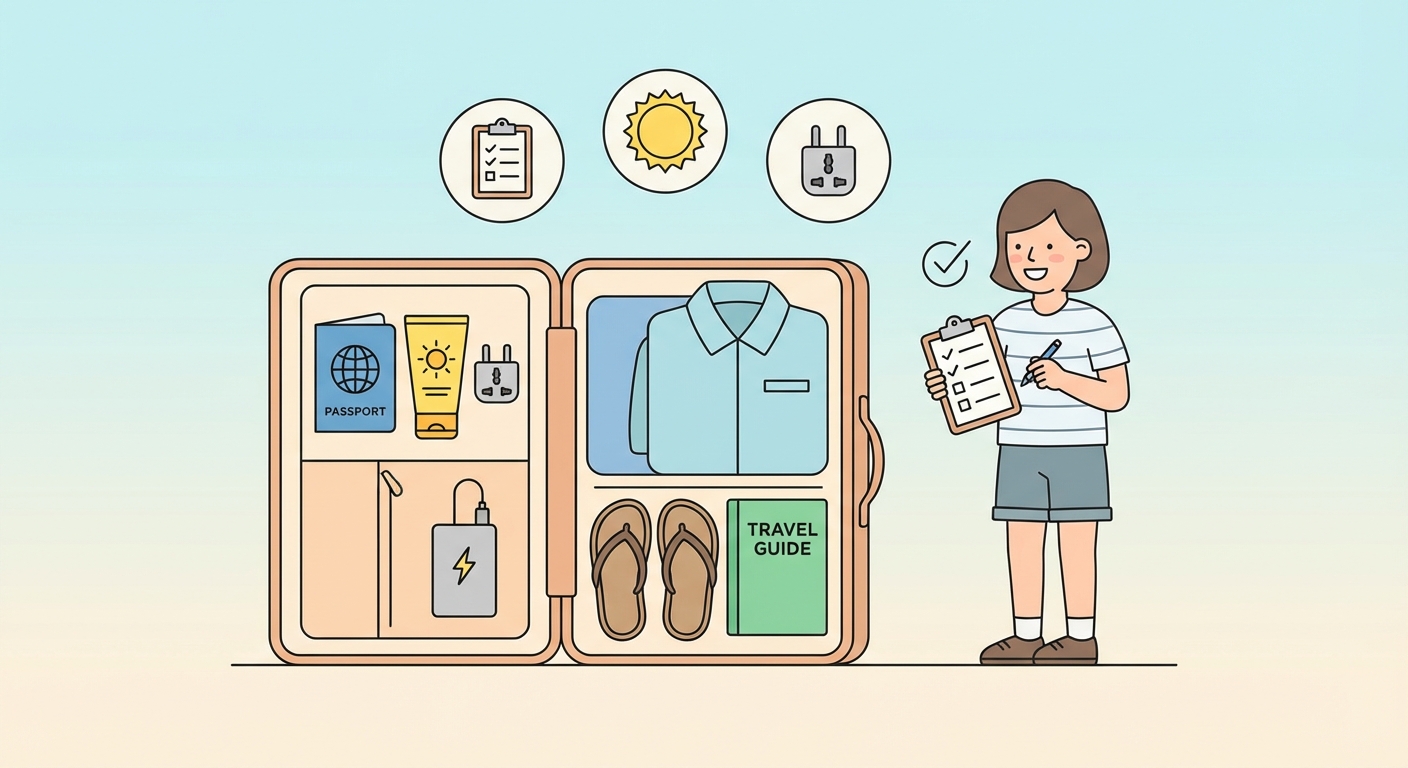
Pack layers for any season—Germans experience rapid weather changes. Bring waterproof jackets year-round, as rain is common throughout the year. In winter, insulated coats, gloves, and sturdy boots are essential. Summer visitors should include sunscreen and sunglasses, while spring travelers benefit from light sweaters and windbreakers.
Month-by-Month Breakdown
January to March: Winter Wonderland and Carnival Season
January and February are the quietest months, with fewer tourists and lower accommodation prices. However, expect cold weather and occasional snow, particularly in Bavaria and the Black Forest. March marks the beginning of spring, with temperatures gradually warming.
February's highlight is Carnival season (Fasching), especially vibrant in Cologne, Düsseldorf, and the Rhineland. Locals wear elaborate costumes, attend parades, and dance through the streets. It's chaotic, fun, and authentically German.
April to June: Spring Blooms and Beer Gardens
Spring is arguably the best time to visit. Flowers bloom across parks in Berlin, Munich, and Frankfurt. Easter markets pop up nationwide, offering handcrafted goods and regional foods like pretzels and Lebkuchen (gingerbread). Temperatures are comfortable for walking tours of historic city centers.
May brings the famous Oktoberfest's smaller cousin—the spring beer festival season. Munich's beer gardens become social hubs where locals and visitors alike enjoy fresh beer, Bavarian cuisine, and live music. It's worth visiting a biergarten to experience this cultural tradition.
July to September: Peak Season and Outdoor Adventures
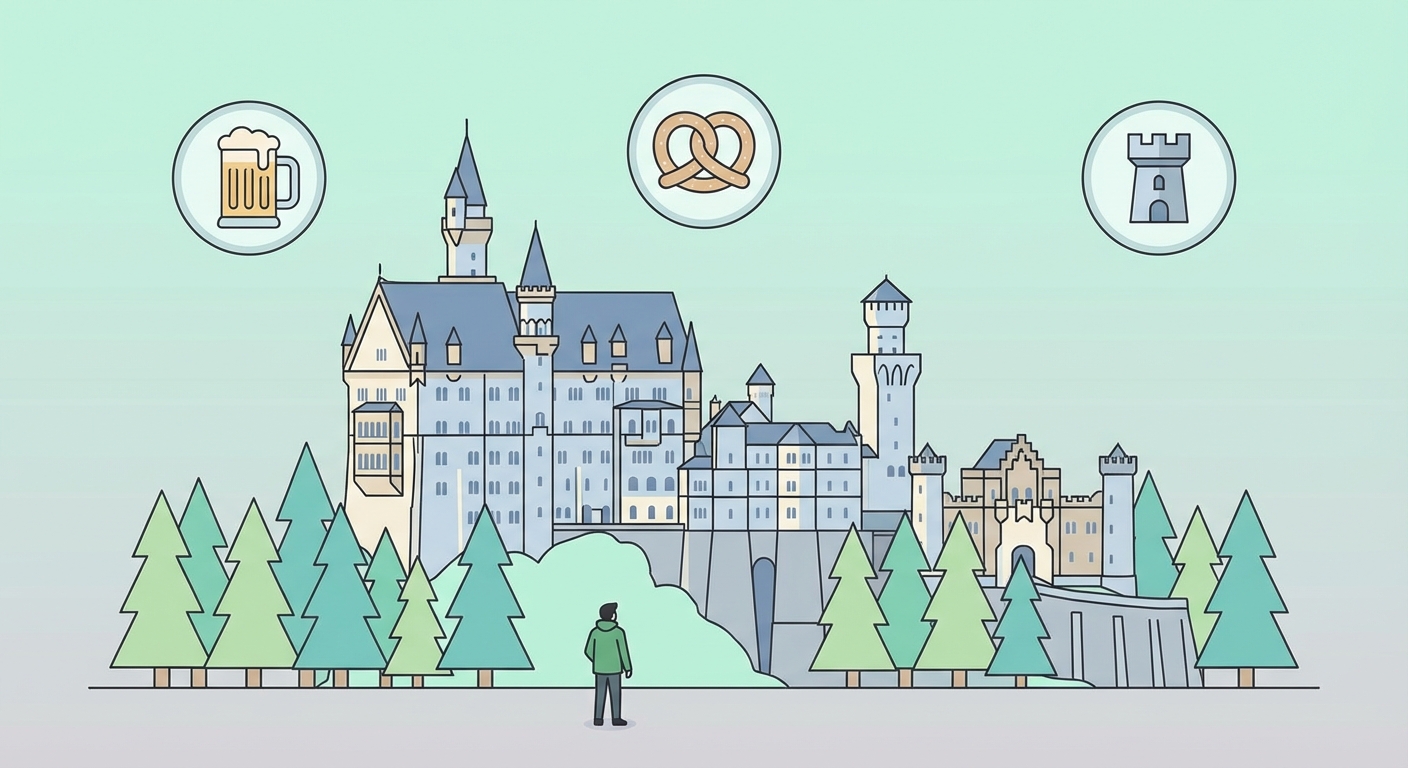
Summer is peak tourist season. Accommodation books up quickly, and popular attractions like Neuschwanstein Castle and Cologne Cathedral have long queues. Temperatures are warm and mostly sunny, ideal for hiking the Bavarian Alps, exploring the Black Forest, or cruising the Danube.
August sees many Germans taking vacations, so expect crowded beaches along the Baltic Sea and popular lake regions. If you're visiting during this period, book accommodations and tours well in advance. For staying connected to maps and booking confirmations, consider grabbing an eSIM from uPhone before you arrive—it's far easier than hunting for local SIM cards at crowded airports.
September offers the sweet spot: warmer weather than spring but fewer crowds than July and August. It's perfect for wine enthusiasts visiting the Rhine and Moselle valleys during harvest season.
October to December: Fall Foliage and Christmas Magic
October and November showcase Germany's autumn beauty. The countryside bursts with reds, oranges, and golds. Frankfurt and other cities host Oktoberfest celebrations, though the main festival occurs in September. Wine festivals dot the landscape, celebrating the grape harvest.
December is absolutely magical. Christmas markets transform city squares—Cologne's markets are world-famous, but every town seems to have one. Expect mulled wine (Glühwein), roasted chestnuts, and ornaments. Temperatures drop below freezing, and some years bring snow, creating picturesque scenes straight from holiday cards.
Peak vs. Off-Peak Travel
Peak season (June–August) offers warm weather and long daylight hours but means higher prices and crowded attractions. Off-peak (November–March) brings cheaper flights and accommodation, though shorter days and colder weather limit outdoor activities. Shoulder seasons (April–May and September–October) represent the best compromise: pleasant weather, manageable crowds, and reasonable prices.
Whenever you visit, having reliable mobile connectivity enhances your experience. An eSIM from uPhone eliminates the hassle of finding local carriers and keeps you connected to translation apps, maps, and travel guides throughout your German adventure.