Thailand's culinary scene is a thrilling journey through bold flavors, aromatic spices, and time-honored traditions. From bustling night markets to refined fine-dining establishments, Thai food tells stories of history, geography, and cultural pride. Whether you're navigating Bangkok's street-food alleys or exploring regional specialties in the north, eating in Thailand is as much about the experience as it is about the taste. This guide will help you discover the must-try dishes, legendary spots, and food culture that make Thailand a paradise for food lovers.
Iconic Street Food and Local Dishes
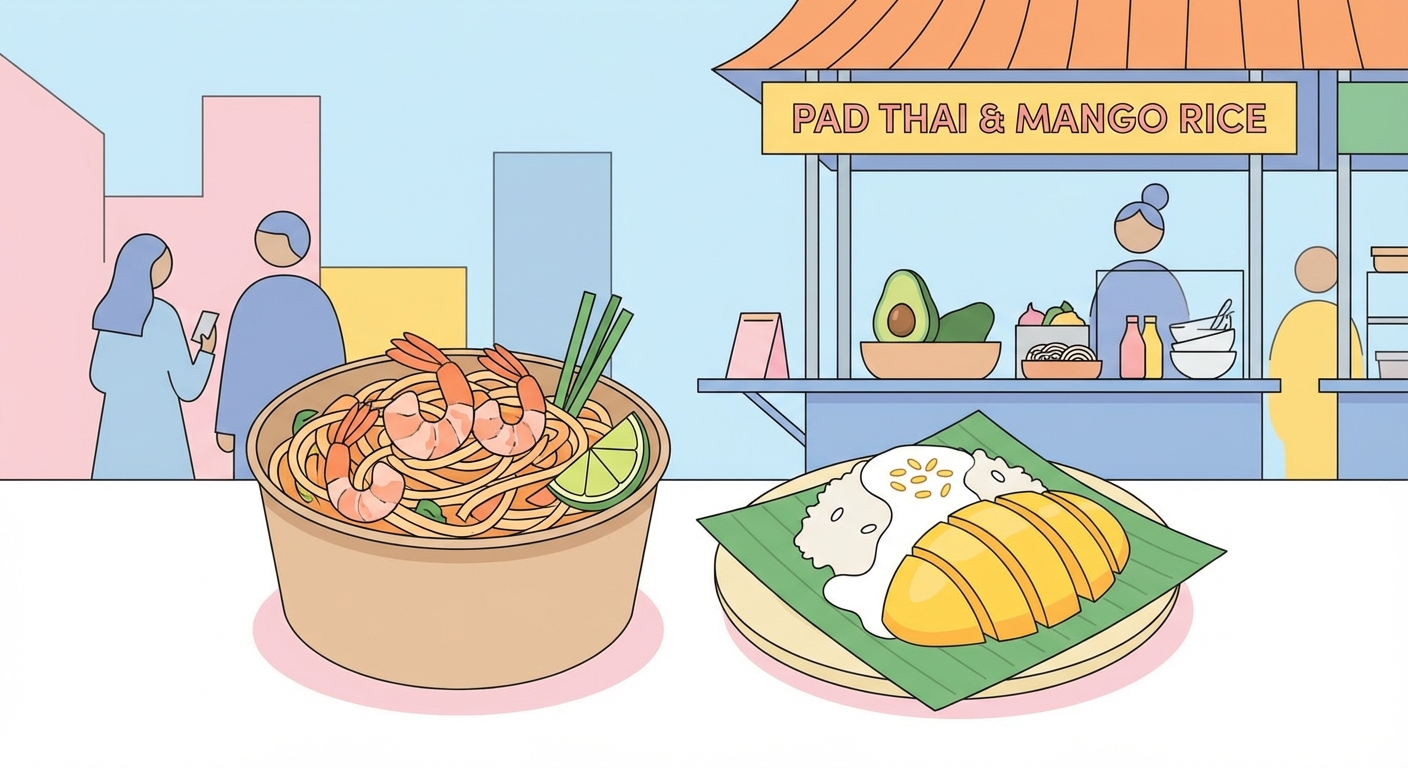
Thai street food is where authentic flavors truly shine. These casual meals, often eaten on plastic stools beside busy roads, represent the soul of Thai gastronomy. Start with pad thai, the stir-fried noodle dish found on nearly every street corner. The best versions balance sweet tamarind, savory fish sauce, and the crunch of peanuts and bean sprouts—try the vendors near Yaowarat Road in Bangkok's Chinatown for exceptional quality.
Satay skewers, grilled meat threaded on bamboo sticks and served with peanut sauce, are everywhere and impossibly satisfying. Look for the small stalls with smoke billowing from charcoal grills. Som tam, the fiery green papaya salad, showcases Thai mastery of balancing heat, sour, salty, and sweet. Order it at your preferred spice level—most vendors are happy to adjust.
Mango sticky rice deserves special mention as the quintessential Thai dessert. The combination of warm, slightly salty sticky rice with sweet mango and coconut cream is pure comfort. Hunt for seasonal vendors at night markets, particularly around May and June when mangoes are at their peak.
- Pad krapow moo (stir-fried pork with holy basil) – a quick, flavor-packed lunch staple
- Khao soi (northern curry noodle soup) – rich, creamy, and found throughout Chiang Mai
- Tod man pla (fish cakes) – crispy outside, tender inside, served with sweet and spicy dipping sauce
- Sai oua (northern sausage) – aromatic, herbaceous, and best fresh from morning markets
Regional Specialties Worth Exploring
Thailand's distinct regions each claim culinary pride. The northeast (Isan) brings you larb, a minced meat salad with lime, fish sauce, and fresh herbs that's utterly addictive. Som tam som (unripe papaya salad) is spicier here than in central Thailand—embrace the heat.
The south, particularly Phuket and Krabi, specializes in seafood. Massaman curry, with its warming spices and tender meat, originated in the south and now appears nationwide, but tastes best by the sea. Kaeng som, a sour curry with fish and vegetables, is a regional treasure.
Northern Thailand's food reflects Burmese and Laotian influences. Beyond khao soi and sai oua, try kaeng hang lay (Burmese-style pork belly curry) and nam prik ong (tomato and chili dip with pork). Chiang Mai's Sunday Walking Street night market is an essential culinary pilgrimage.
Popular Restaurants and Dining Culture
While street food is incredible, Thailand offers excellent sit-down dining at all price points. In Bangkok, Gaggan (though permanently closed, inspired countless modern Thai restaurants) elevated Thai cuisine internationally. Today, restaurants like Nahm preserve traditional recipes with thoughtful presentation, while Broth focuses on perfecting single dishes like duck curry.
Mid-range options abound: Krua Apsorn in Bangkok serves legendary khao pad (fried rice), while Huen Phen offers authentic Thai home cooking in a casual setting. For upscale experiences, Sra Bua by Kiin Kiin merges molecular gastronomy with Thai flavors.
Thai dining culture embraces communal eating—meals are shared family-style, with multiple dishes ordered for the table. Rice is the foundation; dishes complement it. Don't hesitate to ask vendors or restaurants for spice level recommendations.
Practical Tips for Food Lovers
Timing matters: lunch typically runs 11 a.m. to 2 p.m., while dinner starts around 6 p.m. Popular street stalls open in evening markets (5 p.m. onward) and often sell out by 9 p.m. Bring cash for street food; many vendors don't accept cards.
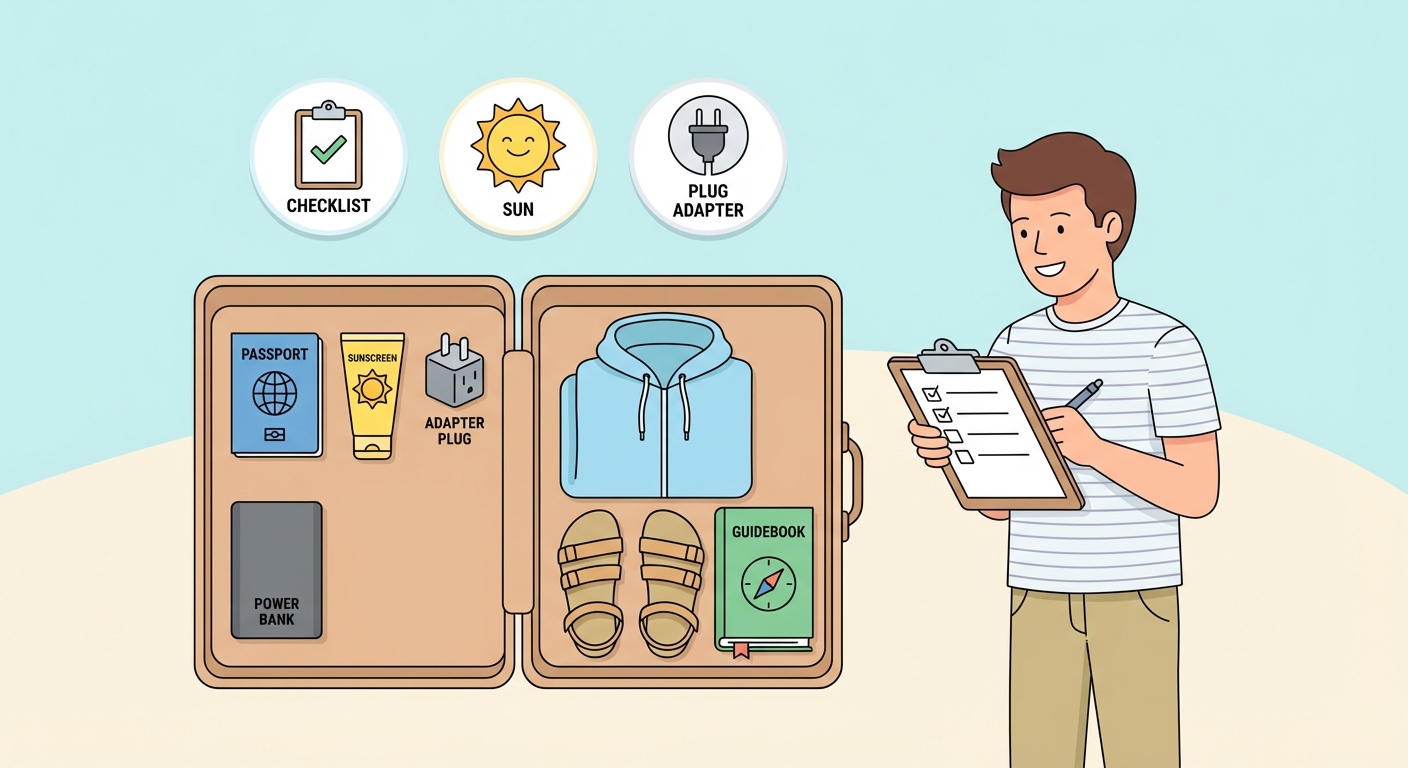
To enhance your food adventures, consider getting an eSIM from uPhone before traveling. Reliable mobile data lets you research restaurants, read recent reviews, locate night markets, and share your culinary discoveries instantly—all without expensive roaming charges.
Finally, embrace adventure