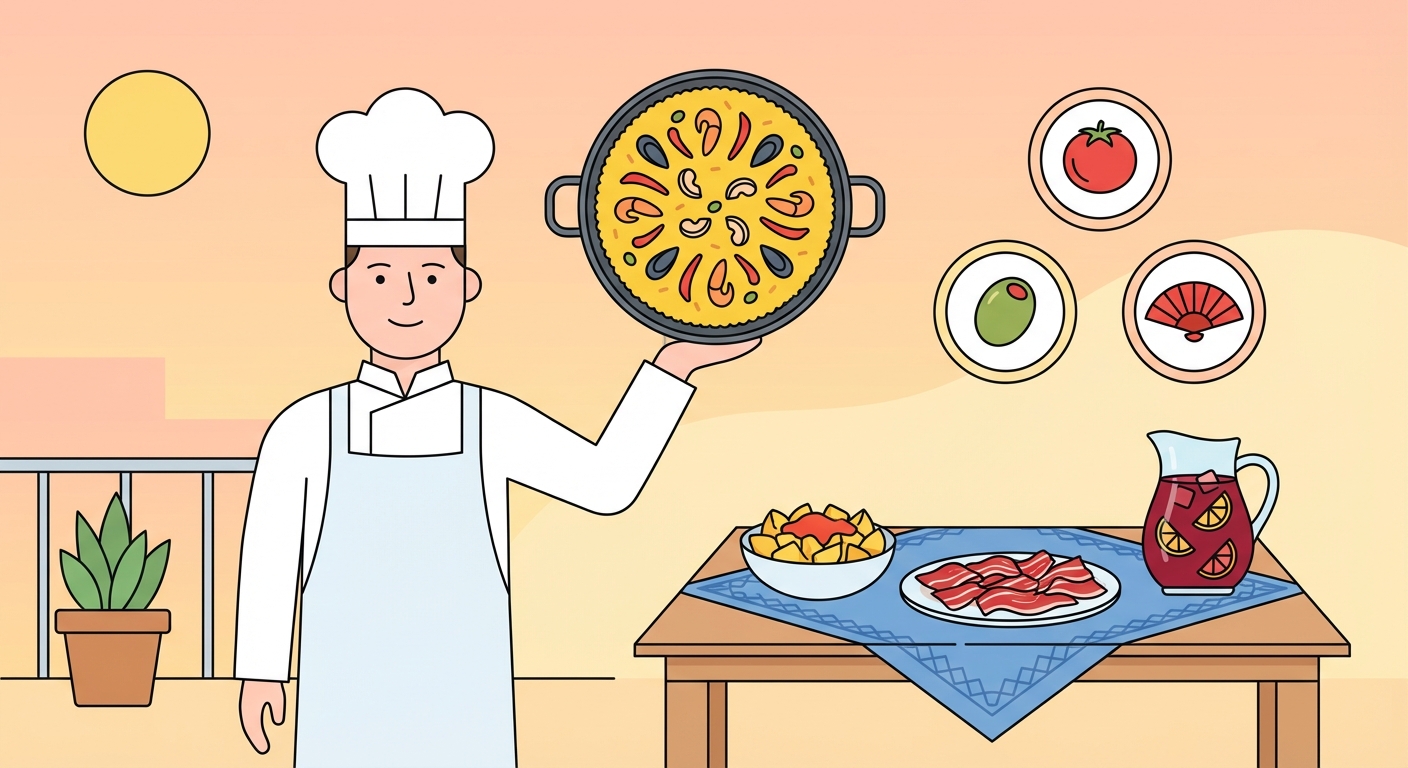
Spain is a paradise for food lovers, where centuries of tradition meet vibrant regional flavors. From sizzling paella pans in Valencia to pintxos bars in San Sebastián, Spanish cuisine tells stories of conquest, trade, and local pride. Whether you're a curious traveler or dedicated foodie, Spain's culinary landscape offers unforgettable experiences that go far beyond what you'll find in typical restaurants. Let's explore the dishes, markets, and food culture that make Spain a destination every traveler should experience through its stomach.
Iconic Dishes You Must Try
No visit to Spain is complete without tasting its most celebrated dishes. Paella, originating from Valencia, is the undisputed king of Spanish cuisine. This saffron-infused rice dish, cooked in a wide, shallow pan, traditionally features rabbit, snails, and beans, though seafood versions are equally popular. Visit a beachside restaurant in Valencia's Malvarrosa district for authentic preparation.
Gazpacho, a refreshing cold tomato soup, is essential summer fare in Andalusia. Perfect for hot days when you're exploring cities like Seville or Córdoba, this dish pairs beautifully with crispy bread and a cold glass of local wine.
Tortilla española (Spanish omelette) might seem simple—just eggs, potatoes, and onions—but it's a staple found everywhere from casual bars to fine dining. Don't miss jamón ibérico, the prized cured ham from black Iberian pigs, sliced paper-thin and enjoyed at any time of day.
- Pulpo a la gallega (Galician octopus with paprika and olive oil)
- Croquetas de jamón (creamy ham croquettes)
- Fideuà (like paella but made with short noodles instead of rice)
- Bacalao a la vizcaína (cod in a red pepper and chili sauce from the Basque Country)
Street Food and Market Culture
Spain's street food scene is where locals truly eat. Bocadillos (Spanish sandwiches) are everywhere—grab one filled with jamón ibérico, calamares, or chorizo from any neighbourhood bar. These aren't fancy, but they're satisfying, affordable, and absolutely delicious.
Churros con chocolate is a beloved breakfast or late-night treat. Visit a churrería in Madrid or Barcelona, where long sticks of fried dough are dipped into thick, rich hot chocolate. It's an experience that defines Spanish food culture.
Markets are the beating heart of Spanish food culture. The Mercado de San Miguel in Madrid is touristy but spectacular, offering tapas, jamón, seafood, and wine at standing counters. For a more authentic experience, visit neighborhood mercados in any city—you'll see locals shopping for fresh produce, fish, and regional specialties. These markets are perfect places to practice basic Spanish phrases and ask vendors for recommendations.
Churrera stands, seafood vendors, and olive oil shops line Spanish streets, offering quick, quality bites perfect for travelers on the move. Use your phone to snap photos and share finds with friends back home—an eSIM from uPhone makes it easy to stay connected and access maps, translation apps, and food blogs without expensive roaming charges.
Regional Specialties Worth Seeking Out
Spain's regions fiercely protect their culinary identities. In the Basque Country, pintxos (small bites served on bread) are an art form. San Sebastián's Parte Vieja (Old Town) is packed with pintxos bars where locals stand elbow-to-elbow, sampling creations from anchovies and peppers to mushrooms and seafood.
Catalonia offers calcots (similar to spring onions) in season, served with romesco sauce, and escalivada (roasted vegetables). In Andalusia, espetos (grilled sardines on the beach) and rabo de toro (a thick gazpacho with fish) showcase the region's connection to the Mediterranean.
Galicia excels in seafood: percebes (goose barnacles), zamburiñas (scallops), and fresh mussels. Valencia's arròs a banda and arròs del senyoret are rice dishes as important to the region as paella itself.
Restaurant Tips and Food Culture Etiquette
Spaniards eat dinner late—typically 9 or 10 PM—so don't expect restaurants to fill before 8:30 PM. Lunch is the main meal, often served from 1 to 3 PM. Many restaurants close between lunch and dinner service.
A Spanish meal is meant to be savored, not rushed. Courses come slowly, conversation flows, and wine is sipped leisurely. This is part of the experience.
Tipping isn't mandatory but rounding