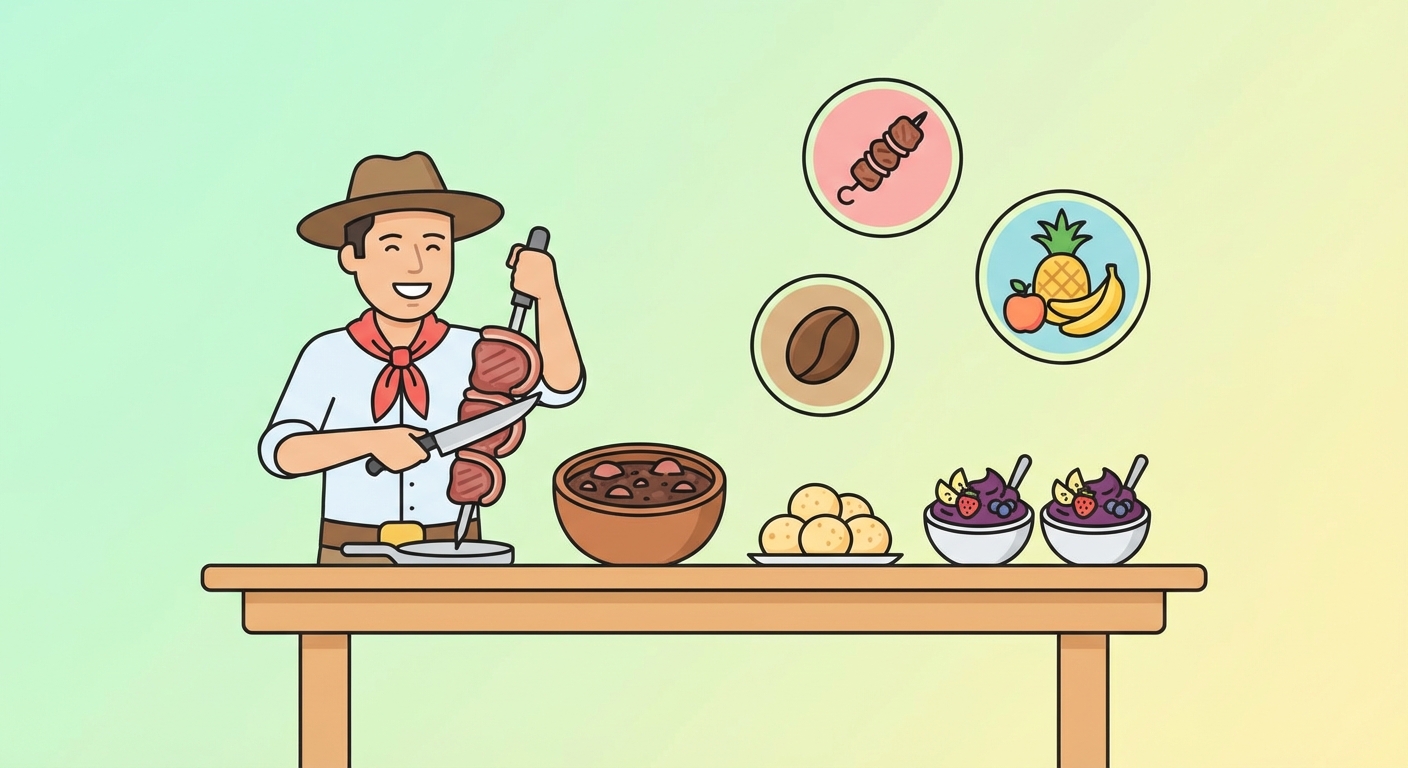
Brazil's food culture is as vibrant and diverse as its landscapes. From the bustling street markets of São Paulo to the beachside kiosks of Salvador, Brazilian cuisine offers an explosion of flavors that reflect centuries of indigenous, African, and Portuguese influences. Whether you're exploring Rio's favelas or dining in upscale restaurants in Brasília, understanding local dishes and food traditions is essential to experiencing authentic Brazil. This guide covers the must-try foods, iconic street snacks, and regional specialties that will transform your culinary journey through this incredible country.
Iconic Brazilian Street Foods and Snacks
Street food in Brazil is not just convenient—it's a cultural experience. Start with coxinha, a tear-drop shaped fried pastry filled with shredded chicken, cream cheese, and green peas. You'll find these at nearly every corner stand and carnival celebration, costing just a few reais. They're perfect for a quick bite while exploring neighborhoods.
Pastel is another essential street food: a crispy fried pastry wrapper filled with cheese, ground meat, or palm heart. Eaten with hot sauce or ketchup, pastéis are ideal for soaking in local food culture without needing to sit down. Head to any feira (open-air market) in the early morning for the freshest versions.
Don't miss acarajé, a Bahian specialty made from black-eyed pea batter fried in palm oil and stuffed with shrimp, tomato, and onion. This street food is particularly popular in Salvador and Recife, where vendors set up along beaches and busy squares. The creamy interior and crispy exterior create an addictive contrast.
Pão de queijo, a cheese bread made from cassava flour, is a beloved snack across Brazil. These warm, gooey pillows are sold at bakeries, markets, and roadside stands. They're ideal for breakfast or afternoon coffee breaks.
- Coxinha: creamy chicken-filled fried pastry
- Pastel: crispy pastry with various fillings
- Acarajé: black-eyed pea fritter (Bahia specialty)
- Pão de queijo: cheese and cassava bread
- Brigadeiro: chocolate fudge ball (sweet treat)
Regional Specialties and Local Dishes
Feijoada is Brazil's national dish: a hearty black bean stew with pork cuts, typically served with rice, orange slices, and farofa (toasted cassava flour). Originally created by enslaved people from leftover meat parts, feijoada has become a Saturday tradition in many Brazilian households. Try it at traditional churrascarias or family-run restaurants.
In the Amazon region, seek out tacacá, a hot soup made with tucupi broth (made from cassava root), shrimp, and jambu herb, which creates a pleasant numbing sensation on your tongue. This dish is quintessentially Amazonian and best experienced in Manaus or Belém.
Moqueca, a fragrant seafood stew from Bahia and Espírito Santo, combines fish with coconut milk, dendê oil (palm oil), tomatoes, and peppers. Eat it with fresh lime juice and crusty bread. Coastal cities like Salvador and Vitória serve exceptional versions.
In Rio and São Paulo, churrasco (Brazilian barbecue) defines dining culture. Rodizio restaurants bring endless skewers of grilled meats to your table—a feast that shouldn't be missed. Pay per person and eat until satisfied.
Popular Restaurants and Where to Eat
For fine dining, Rio's Aprazível in Santa Teresa offers traditional Brazilian cuisine with panoramic city views. In São Paulo, Fasano serves innovative Brazilian-Italian fusion in an upscale setting. For authentic street experiences, visit Mercado Central in Belo Horizonte or Ver-o-Peso market in Belém, where you can sample multiple dishes from various vendors.
Bahia's food scene is legendary—head to Rua do Giz in Salvador for casual eateries serving acarajé and moqueca. For budget-friendly options, lunch-time self-service rodizio restaurants offer excellent value across all major cities.
Food Culture Tips for Travelers
Brazilian meals are social events, often lasting hours. Lunch is the main meal (noon to 2 PM), while dinner is lighter. Many restaurants offer prato feito (plate of the day), combining protein, rice, beans, and salad at reasonable prices.
While exploring food markets and sampling local specialties, staying connected helps you find restaurants, read reviews, and share your