Route-First Budget Planning
The United Arab Emirates can be surprisingly affordable if you build your trip around a clear route. The classic budget-friendly loop is Dubai – Sharjah – Abu Dhabi, using public buses between the emirates. A day in Sharjah breaks up the journey and offers cheaper accommodation than either of the larger cities. Flying into Dubai and out of Abu Dhabi (or vice versa) avoids backtracking and often saves on airfare.
Daily Budget Bands
Backpacker: 150–200 AED (approx. 40–55 USD) per day. Dorm bed in a hostel or a shared room in a labour camp guesthouse, meals from supermarkets and street-side cafeterias, and single-use metro tickets.
Mid-range: 300–450 AED (80–120 USD) per day. Private room in a budget hotel in Deira or Bur Dubai, two meals at casual restaurants, and a Nol card for unlimited metro/bus travel.
Comfort: 600+ AED (160+ USD) per day. A 3- or 4-star hotel in a central area, sit-down dinners, and occasional taxis.
Accommodation
Dorm beds start at 60 AED in hostels around Dubai’s Al Barsha and Al Rigga areas. Private budget hotels in Deira and Bur Dubai (e.g., near Al Ghurair Centre) offer double rooms for 150–250 AED per night. In Abu Dhabi, look near Al Wahda or the Corniche area. Sharjah’s Al Majaz and Al Khan neighbourhoods have similar rates. Avoid hotels in Palm Jumeirah and Downtown Dubai if you’re on a strict budget. Booking two weeks ahead on hotel-only sites (not OTAs) often yields better rates. Be aware of ‘tourist club’ fees: some hotels charge 10–20 AED per night for access to their pool or gym, and you cannot skip them.
Food
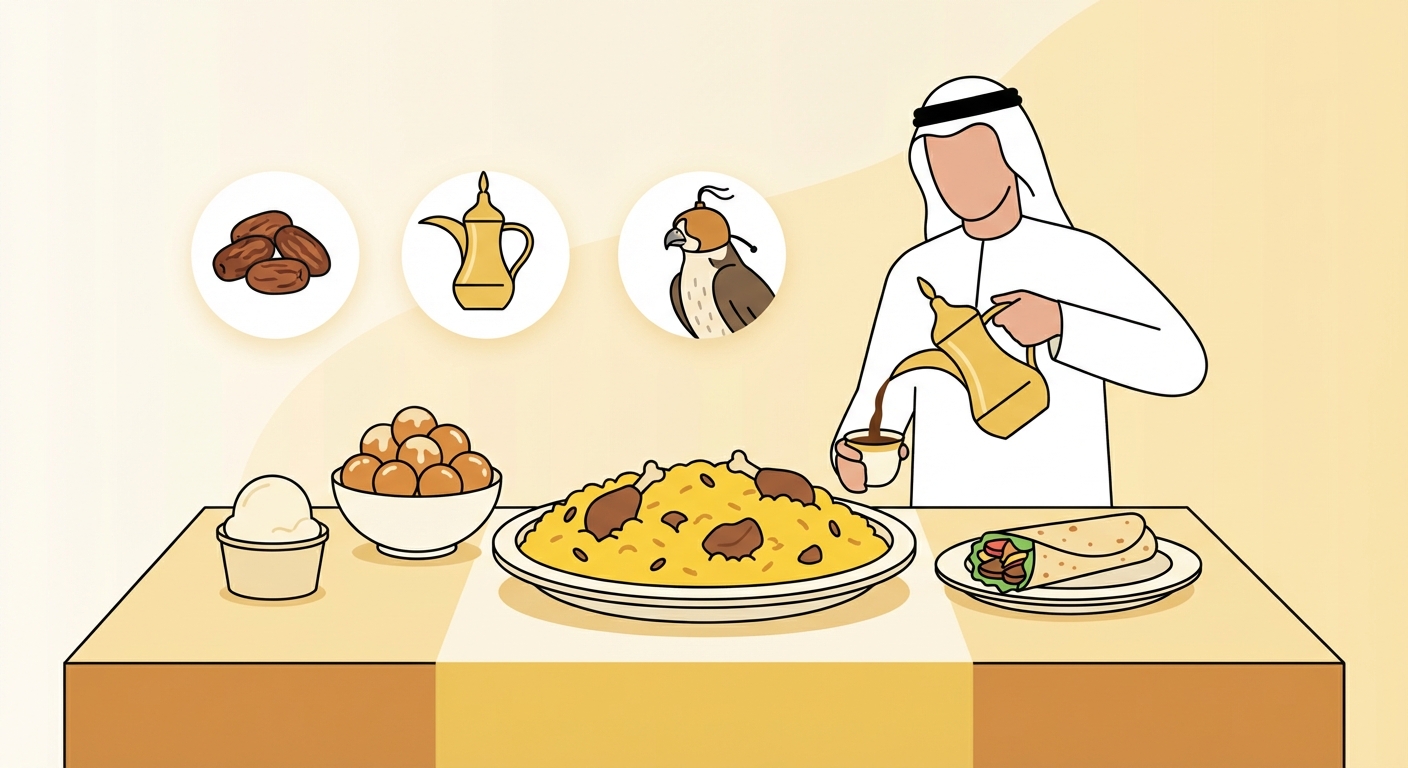
Street food and cafeteria meals are cheap and filling. A shawarma wrap is 5–8 AED; a full meal of biryani or machboos from a cafeteria costs 12–18 AED. Supermarkets (Carrefour, Lulu, Union Coop) sell ready-to-eat sandwiches and salads for under 10 AED. For mid-range dining, a curry or grilled chicken plate in a small restaurant runs 25–40 AED. Avoid eating in malls’ food courts (portions are small, prices high) unless you use the coupon kiosks selling discounted vouchers. Tipping is not mandatory, but rounding up the bill or leaving 5–10% at a sit-down restaurant is appreciated.
Local Transport
Dubai’s metro and bus system is efficient and cheap. A Nol card costs 2 AED plus top-up; a single journey within one zone is 3 AED. For unlimited travel within a day, buy a day pass for 20 AED (all zones). Abu Dhabi’s bus network is less extensive; a single ride is 2 AED using a Hafilat card (available at bus stations). The intercity bus between Dubai and Abu Dhabi costs 25 AED each way (route E101 or E102). Taxis start at 5 AED (Dubai) or 3 AED (Abu Dhabi) and cost about 1.50–2 AED per kilometre. Ride-hailing apps like Careem and Uber are 20–30% more than hailing a street taxi. For longer journeys, consider the shared minibus services from Dubai’s Al Ghurair or Al Sabkha stations to other emirates (e.g., Dubai to Sharjah: 10 AED).
Attractions
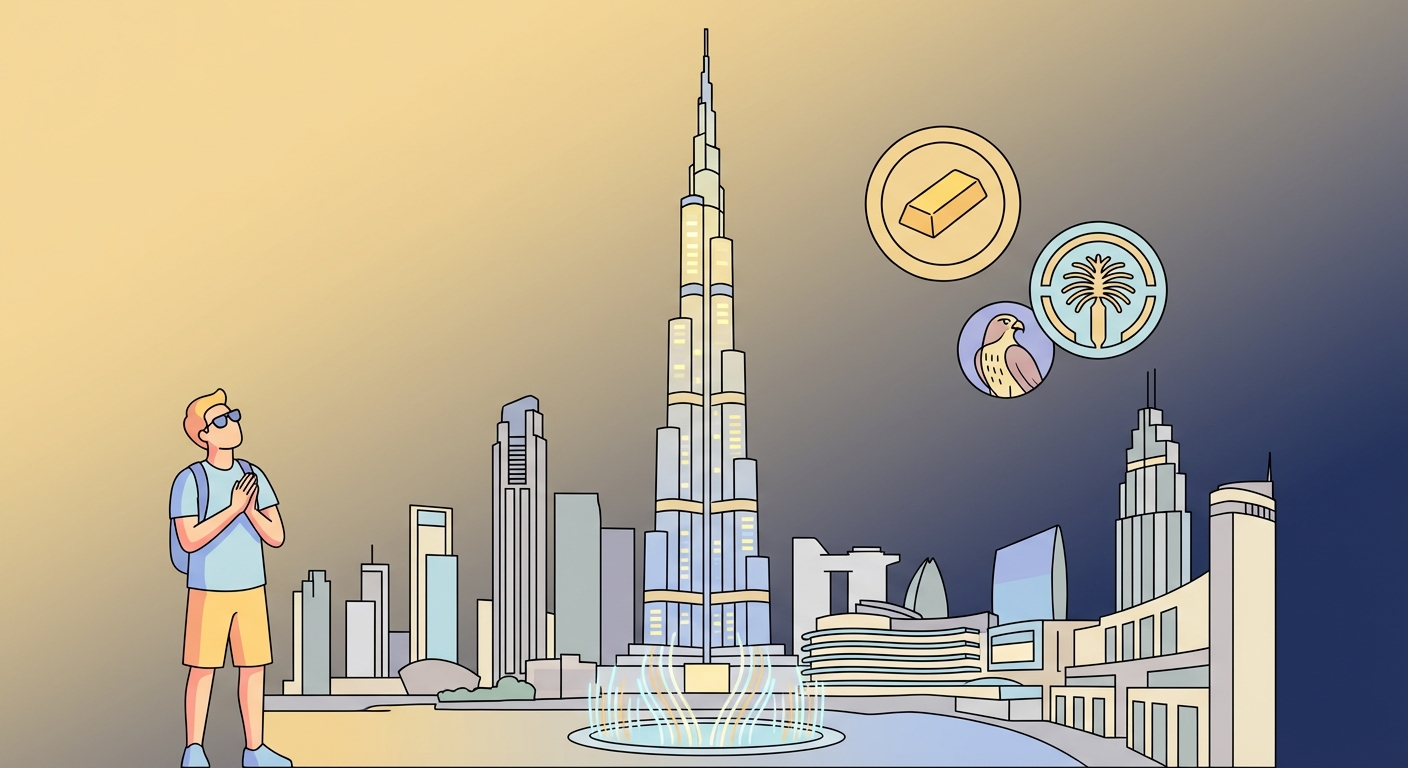
Many iconic sights are free. Dubai’s beaches (JBR, Kite Beach, Al Mamzar) cost nothing. Burj Khalifa’s top is expensive (150+ AED), but viewing from the Dubai Mall’s outdoor deck is free. Heritage sites like Al Fahidi Historical Neighbourhood and Al Shindagha Museum are 1–5 AED. Abu Dhabi’s Sheikh Zayed Grand Mosque is free; so is the Corniche. Louvre Abu Dhabi entry is 60 AED (book online for discounts). In Sharjah, the Sharjah Art Museum and the Al Majaz Waterfront are free. Avoid buying ‘city passes’ that bundle multiple attractions unless you plan to visit five or more paid sights. Most paid attractions offer cheaper online pre-booking; avoid same-day box office.
Payment Habits
The UAE is heavily cashless for daily life, but cash is still king for street food, taxis, and small shops. Carry 100–200 AED in small notes. Most restaurants, supermarkets, and metro stations accept credit/debit cards with a minimum of 10 AED. Avoid using ATM machines in convenience stores (they charge 5–10 AED fees). Better to withdraw from a bank’s own ATM (e.g., Emirates NBD, ADCB). Contactless payments (Apple Pay, Google Pay) work everywhere. Tipping is not expected but is common: 5–10 AED for hotel staff who carry bags, 10 AED for valet parking. Never tip in coins; use paper notes.
Where Spending More Actually Helps
Some budget corners are false economies. The cheapest labour-camp guesthouses (60 AED per night) are often far from metro lines, meaning 20 AED daily in bus fares and lost time. Spending 100–120 AED for a hotel closer to a metro station saves both money and frustration. Similarly, the cheapest street food (e.g., 2 AED samosas) may be reheated and small. Spending 10–12 AED on a proper shawarma or manakish from a busy cafeteria gives better nutrition and fewer hunger pangs. For intercity travel, the cheapest shared minibus (5 AED) runs infrequently; paying 25 AED for the coach bus (with air-con and luggage space) is worth it. Finally, buying a local SIM on arrival is essential for maps and ride-hailing. For mobile data, purchase a United Arab Emirates eSIM before departure. It costs about 30–50 AED for 5–10 GB and activates in minutes, avoiding airport SIM markup and the hassle of finding a store.
Useful Cautions
Watch for ‘service charges’ on restaurant bills (sometimes 10% hidden in small print). Always check your bill before paying. Avoid buying water from hotel minibars (10–15 AED); buy 1.5-litre bottles from supermarkets (1–2 AED). Tap water is safe in hotels but not in older buildings. The metro’s Gold Class cabin costs 4.5 AED extra per ride – skip it. For attractions, check if a ‘Golden Ticket’ (fast-track) is worth it only at peak times (Thursday, Friday evenings). Weekday visits (Sunday–Wednesday) are cheaper and less crowded. Finally, never exchange currency at airport kiosks (poor rates); use bank ATMs or exchange houses in the city (e.g., Al Ansari, Lulu Exchange) for better rates.