Indonesia’s size and diversity mean that a tight budget can take you a long way, but only if you plan around transport costs and seasonal price swings. This guide breaks down daily spending bands, where to save, and where spending a bit more actually improves your trip. All prices quoted are for mid-2026 and assume payment in Indonesian rupiah (IDR); at press time IDR 15,000 ≈ US$1.
Daily Budget Bands
- Low budget (IDR 300,000–500,000 / ~US$20–33): Dorm bed in a hostel or very basic homestay, two meals from a warung (local food stall), local bus or ojek (motorcycle taxi) for short hops, and one paid attraction per day.
- Mid-range (IDR 600,000–1,200,000 / ~US$40–80): Private room in a guesthouse or three-star hotel, air-conditioned transport between cities, three meals including one sit-down restaurant, and admission to several sites.
- Upper budget (IDR 1,500,000+ / ~US$100+): Boutique hotel, domestic flights, guided tours, fine dining, and private drivers. This band covers comfort but not luxury resorts.
Accommodation
Where to save
Hostels and losmen (basic inns) cluster in tourist hubs like Kuta (Bali), Jalan Jaksa (Jakarta), and Prawirotaman (Yogyakarta). A dorm bed costs IDR 80,000–150,000/night; a simple fan room IDR 150,000–250,000. Booking direct a day or two ahead often beats online-property rates, especially in Lombok and Sumatra. Outside peak season (July–August and Christmas–New Year), walk-in prices are negotiable.
Where spending more helps
In remote areas such as the Togean Islands or Raja Ampat, cheap accommodation may lack running water, reliable electricity, or mosquito nets. Spending an extra IDR 200,000–300,000 for a mid-range eco-lodge guarantees a private bathroom, solar-powered fan, and screened windows—worth it for comfort and health. Similarly, in central Jakarta a business hotel (IDR 500,000–800,000) includes reliable A/C and soundproofing against the 24-hour traffic.
Food
Street food and warungs
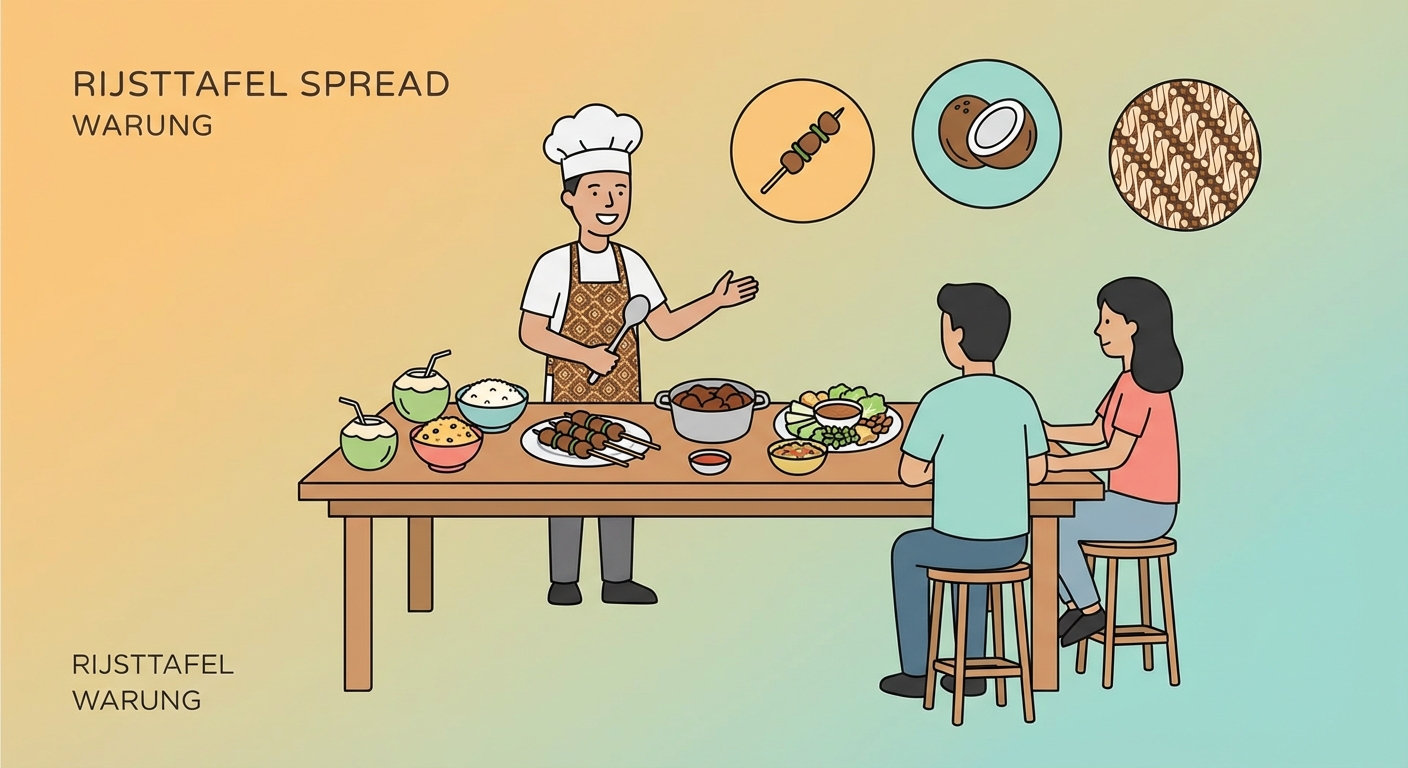
A plate of nasi goreng, mie ayam, or gado-gado costs IDR 15,000–30,000. Fresh fruit (mango, papaya, dragon fruit) from a pasar (market) is IDR 5,000–10,000 per piece. Stick to stalls that are busy with locals—high turnover means fresher ingredients. Avoid pre-cut fruit sold in plastic bags; it may be washed with tap water.
Restaurants
A meal at a simple Indonesian restaurant (rumah makan) runs IDR 40,000–70,000. Western food is double that. In tourist areas, 10% service charge is often added to the bill; check before tipping.
Where spending more helps
In destinations like Ubud or the Gili Islands, paying IDR 80,000–120,000 for a restaurant with a visible kitchen and treated-water filtration reduces the risk of traveller’s diarrhoea. The same logic applies to buying bottled water—always check the seal is intact. Reverse-osmosis refill stations (IDR 3,000–5,000 per litre) are common in cities; carry a reusable bottle.
Local Transport
Buses, trains, and ferries
Trans-Java buses (e.g., Jakarta–Yogyakarta) cost IDR 100,000–200,000 for an eight-hour trip. Economy-class trains on the same route are IDR 150,000–250,000 and run on time. Ferries between Bali, Lombok, and the Gilis cost IDR 150,000–400,000 depending on speed and operator. Book train tickets via the official KAI app to avoid scalpers. For ferries, buy from the pier ticket office, not from touts who double prices.
Motorcycle taxis and ride-hailing
Gojek and Grab operate in most cities. A short ride (2–3 km) is IDR 15,000–25,000. In areas without app coverage, negotiate an ojek fare before getting on: IDR 20,000–30,000 for 5 km is standard. Always carry small bills because drivers rarely have change for IDR 100,000 notes.
Where spending more helps
On Sumatra’s Bukit Lawang or in Nusa Tenggara, public minibuses (bemo) are cramped and make countless stops. Paying double for a shared private car (travel-agent shuttle) cuts travel time by a third and saves your nerves—especially on winding mountain roads. For long inter-island journeys, a cheap ferry cabin (IDR 150,000) is usually fine; a first-class cabin (IDR 400,000) includes A/C and a private bathroom, which matters on 24+ hour crossings.
Attractions & Activities
Free and low-cost sights
Many temples, markets, and beaches are free. Borobudur temple entrance is IDR 375,000 (foreign adult); Prambanan is the same. Komodo National Park charges IDR 200,000 per person plus a guide fee of IDR 150,000 (mandatory). Sunrise at Mount Bromo can be done independently for the park entry fee (IDR 220,000) without a tour package. In cities, walking tours listed on local tourism websites are often free or donation-based.
Where spending more helps
Snorkelling trips in Raja Ampat or Komodo: pay IDR 500,000–800,000 for a reputable operator that provides life jackets, clean masks, and a safety briefing. The cheapest tours (IDR 200,000) may skip safety gear and crowd you into a leaky boat. Likewise, a certified guide for a multi-day hike on Mount Rinjani (IDR 2,000,000–3,000,000 all-in) is non-negotiable—the cheaper option often means no porter, no emergency plan, and poor food.
Payment Habits
Cash is king in Indonesia. ATMs are widespread in cities and tourist towns but charge IDR 25,000–50,000 per withdrawal from foreign cards. Withdraw large amounts less often. Credit cards are accepted only in mid-range hotels, airlines, and some restaurants in Jakarta and Bali; everywhere else expects cash. E-wallets like GoPay and OVO are common for ride-hailing and warungs, but they require a local SIM and bank account. Stick to cash unless you live in Indonesia.
To arrange mobile data for the trip, buy an Indonesia eSIM online before departure or pick up a physical SIM at the airport. Data packages cost IDR 50,000–100,000 for 10–20 GB and last 30 days. This lets you use maps, ride-hailing apps, and translation tools without roaming charges.
Tipping
Tipping is not customary in Indonesia, but it is appreciated for service that goes beyond expectations. In restaurants where no service charge is added, leaving IDR 5,000–10,000 (or rounding up the bill) is fine. For guides and drivers on private tours, IDR 50,000–100,000 per day is generous. Porters at train stations and airports expect IDR 10,000–20,000 per bag. Never tip in coins—use small notes.
Useful Cautions
- Beware of overcharging: Touts at tourist sites often quote triple the real price for transport, accommodation, or entry. Compare with official prices on government tourism websites.
- Check dates on tickets: Some ferry and bus operators sell “open tickets” that expire—read the fine print.
- Carry small denominations: IDR 20,000 and IDR 50,000 notes are essential for taxis, markets, and toll roads.
- Seasonal surcharges: During Ramadan, many warungs close before sunset; eating out becomes slightly harder but prices do not change. In July–August and December–January, accommodation prices double—book well ahead.
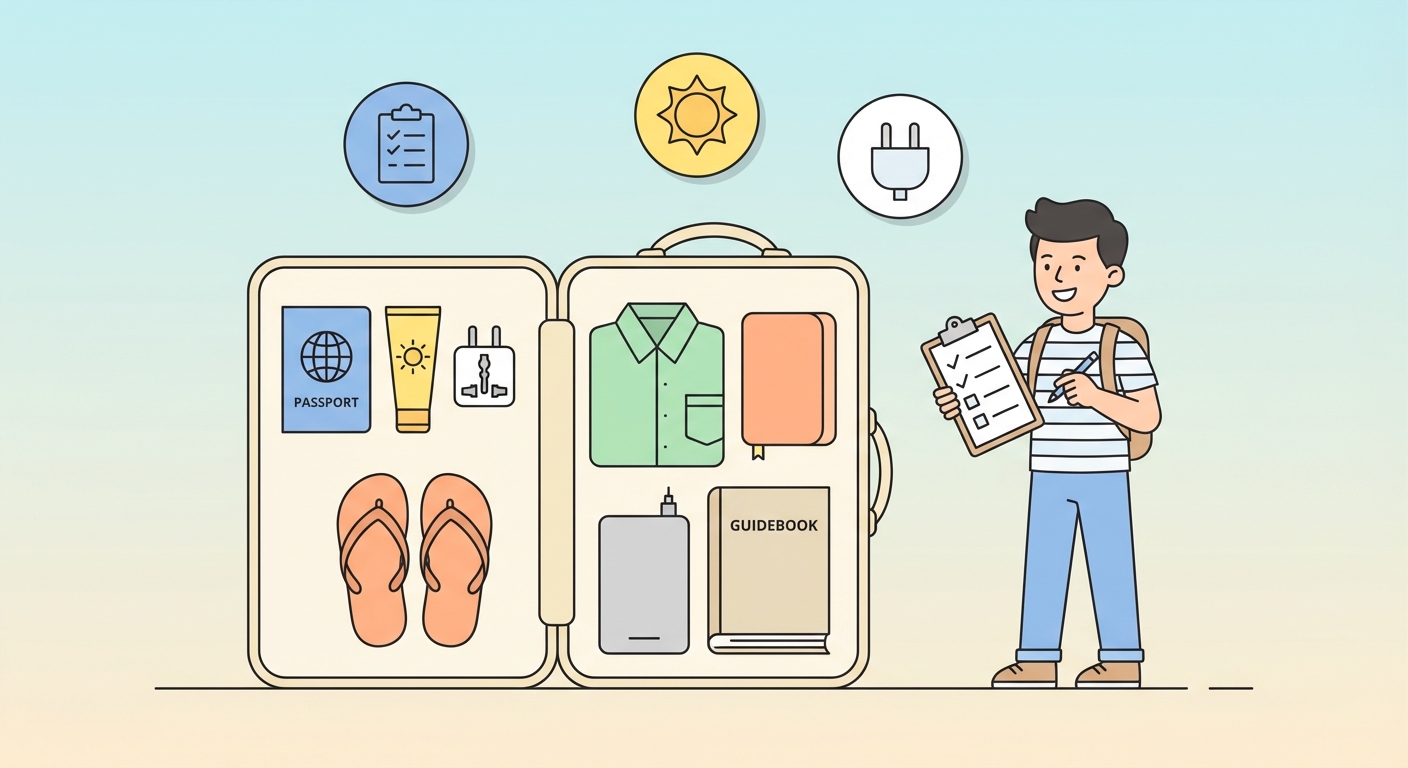
- Health prep: Bring ORS sachets, antidiarrheal medication, and DEET repellent. These are cheaper at home and essential in remote areas.
Final Trade-Offs
Skimp on accommodation in Java and Bali but not in remote islands. Save on food by eating street-side, but pay for filtered water. Spend more on inter-island transport to avoid wasted days. Use cash everywhere but consider a travel card with no foreign-transaction fees for ATM withdrawals. With these guidelines, a week in Indonesia can cost as little as IDR 2,100,000 (US$140) or as much as you choose—but the sweet spot for a balanced trip is around IDR 900,000/day.