India rewards the budget traveller with an intensity few other countries can match. A well-planned low-cost trip here is not about deprivation; it is about making smart choices on the ground, where the rupee still holds real value. This guide follows a logical travel route—Delhi, Agra, Jaipur, Varanasi, and a final stretch down to the beaches of Goa or the backwaters of Kerala—and breaks down exactly what you will spend on accommodation, food, transport, and attractions. It also explains where spending a little more actually improves your trip.
Daily Budget Bands (per person)
These are rough, reliable ranges for a solo traveller in 2026. Doubles can share costs on rooms and rickshaws, so per-person totals drop by about 20–30 percent for couples.
- Rock bottom (₹1,200–1,800 / ~$14–$22): Dorm bed or cheap private room, street food and chai, public buses, and walking. No entry fees to expensive monuments.
- Comfortable budget (₹2,500–4,000 / ~$30–$48): Clean private room with fan and attached bathroom, two meals at basic restaurants, occasional auto-rickshaw, and entry to one or two major sights.
- Mid-range with upgrades (₹5,000–7,500 / ~$60–$90): Air-conditioned room, sit-down restaurant meals, prepaid airport taxi, and a few splurges like a guided tour or a boat ride.
Accommodation: Where to Sleep and Where to Skip
Budget accommodation is abundant but variable. In Delhi, the Paharganj district near New Delhi Railway Station has dozens of basic guesthouses. A single room with a shared bathroom should cost ₹800–1,200. Be aware that noise and power cuts are common. For a step up, stay in Karol Bagh, where similar rooms cost ₹1,500–2,000 but are quieter.
In Agra, the Taj Ganj area (just south of the Taj Mahal) offers cheap rooms with rooftop views. Pay ₹1,000–1,500 for a basic double. Avoid the main road here; rooms on side alleys are quieter and cheaper.
Jaipur’s budget zone is around the walled city’s Bani Park and the area near Hawa Mahal. A decent private room costs ₹1,000–1,800. In Varanasi, the Bengali Tola and Assi Ghat areas have many guesthouses. A simple room with a view of the Ganges runs ₹800–1,500.
Goa’s budget option is a basic hut in the quieter northern beaches (Arambol, Aswem, or Patnem). Expect ₹1,500–2,500 for a thatched cottage with a fan. In Kerala, budget homestays in Fort Kochi or near the backwaters start around ₹1,200–2,000.
Trade-off: Spending ₹500–1,000 more per night gets you a room with a reliable hot water heater, a clean bathroom, and a window that locks properly. This is one area where spending more directly improves your sleep and health.
Food: Street Eats and Safe Choices
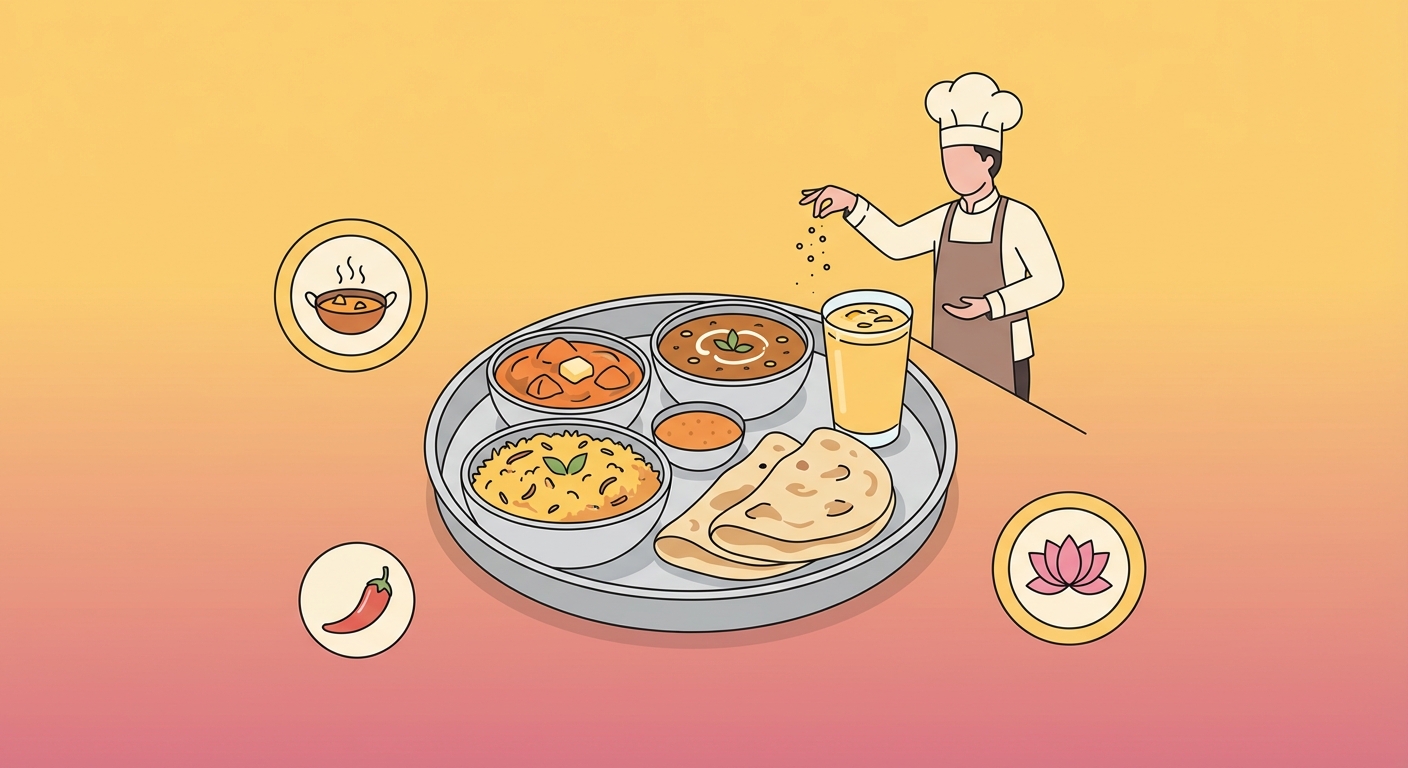
Street food is the cheapest and often the best. A plate of chole bhature in Delhi, kachori in Jaipur, or puri bhaji in Varanasi costs ₹30–80. A filling thali (rice, dal, vegetables, roti) at a basic restaurant runs ₹100–200. Stick to stalls that cook in front of you and have a steady stream of local customers. Avoid raw salads, unpeeled fruit, and ice from unknown sources.
For a sit-down meal, a simple South Indian meal of idli, dosa, and sambar at a Udupi restaurant costs ₹150–250. A mid-range restaurant meal (dal makhani, naan, a vegetable dish) will be ₹400–700.
Where spending more helps: A restaurant with a visible, clean kitchen and filtered water reduces your risk of stomach trouble. Spending ₹200 extra on a meal that includes a bottled water and a hot drink is a sensible trade-off.
Local Transport: Getting Around Cheaply
Within cities, the cheapest option is walking, but distances are often deceptive. For short hops, use shared auto-rickshaws. They follow fixed routes and charge per person: ₹10–20 for a few kilometres. For a private auto, negotiate before you get in. A typical 3–5 km ride should cost ₹50–100. In Delhi and Jaipur, the metro is fast and cheap—a journey across town costs ₹20–60.
For intercity travel, the overnight sleeper bus is the budget champion. A non-AC sleeper from Jaipur to Varanasi costs around ₹600–900. The government-run Rajasthan Roadways and Uttar Pradesh State Road Transport Corporation buses are reliable. Trains are also excellent value: a second-class sleeper (SL) on a long-distance train like the Delhi–Varanasi route costs ₹300–500. Book online in advance via the Indian Railways website; same-day tickets are possible but uncertain.
Caution: Ola and Uber operate in most large cities. They are often only slightly more expensive than an auto-rickshaw and remove the haggling hassle. Use them for airport transfers or late-night travel.
Attractions: Entry Fees and Free Delights
Major monuments are the biggest single cost for a budget traveller. The Taj Mahal charges ₹50 for Indians and ₹1,100 for foreign tourists (2025 rate; expect a small increase). The Red Fort in Delhi is ₹35/₹500. Amber Fort in Jaipur is ₹25/₹550. Budget for at least two major sites per week.
Many of India’s best experiences are cheap or free. Walking the ghats of Varanasi at dawn, exploring the narrow lanes of Jaipur’s old city, watching the sunset over the Ganges from a boat (₹100–200 for a shared ride), or simply people-watching at a local chai stall cost next to nothing. Temples generally have no entry fee, though some ask for a small donation.
Payment Habits and Tipping
Cash is still king in India, especially for small purchases, street food, and auto-rickshaws. Keep a stash of small notes (₹10, ₹20, ₹50, ₹100). Digital payments through UPI apps (like Google Pay or PhonePe) are widely accepted in urban restaurants, hotels, and even some street vendors. You can set up UPI with an Indian bank account or a foreign card, but it can be fiddly. For simplicity, carry a mix of cash and a debit/credit card for larger payments. ATMs are plentiful but sometimes run out of cash, especially in smaller towns.
Tipping: Not expected in budget settings. In restaurants, a 10 percent tip is appreciated for good service but not mandatory. For guides and drivers, a ₹50–100 gratuity for a half-day tour is fine. Never tip in coins or small notes that suggest disrespect.
Mobile Data and Staying Connected
An Indian SIM card is essential for booking trains, using ride-hailing apps, and navigating. The easiest way to get one is to buy an India eSIM before you leave. It activates upon arrival and avoids the bureaucratic hassle of visiting a local store with your passport and proof of address. Data plans are cheap: a 30-day plan with 2–3 GB daily data and unlimited voice costs around ₹500–800.
Where Spending More Actually Helps
Beyond accommodation, three areas justify a higher spend:
- AC transport: A sleeper bus without air conditioning can be a hot, dusty ordeal. Paying ₹200–300 more for an AC sleeper bus or an AC chair car on a train makes the journey genuinely comfortable.
- Private guided tours: A good guide at a monument (₹500–1,000 for an hour) can transform your understanding. Skip the touts at the gate; hire through a reputable company or the official tourism office.
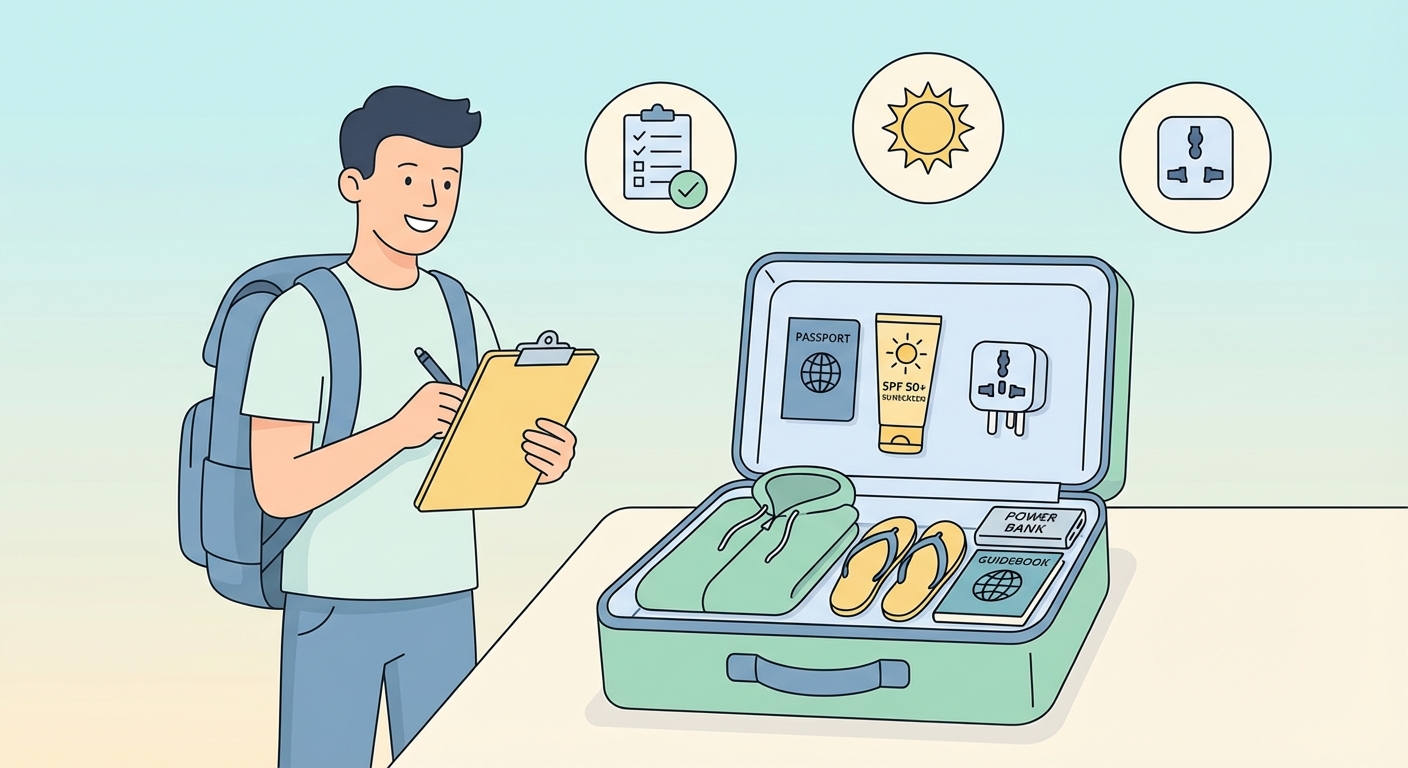
- Health and hygiene: A filtered water bottle, a good mosquito repellent, and a first-aid kit are not luxuries. Spending ₹500 on these items prevents bigger costs later.
India on a budget is entirely doable, but the key is to know where to cut corners and where to invest. Sleep cheap, walk a lot, eat street food, and spend the extra rupees on a clean room, a cool bus, and a knowledgeable guide. That balance will give you a rich, safe, and affordable journey.