Croatia’s popularity has pushed prices up, but a well-planned trip still rewards the budget-minded traveller. This guide follows a logical route – Zagreb to the Dalmatian coast – and breaks down where to save, where to spend, and how to avoid common money traps.
Getting Around: The Route and Costs
Start in the capital, then head south. The backbone of budget travel is the bus network. Buses are reliable, frequent, and cheaper than trains for most coastal routes. A one-way bus from Zagreb to Split costs around €20–€30; the journey takes 4–5 hours. From Split, local buses serve smaller islands via ferry terminals.
Ferries are essential for island hopping. The state-run Jadrolinija is the cheapest option: a passenger ticket from Split to Hvar runs about €8, while a catamaran to Korčula is roughly €15. Book online a day ahead in summer to avoid sold-out sailings. Car ferries are pricier and usually unnecessary if you rely on local buses on islands.
For short distances, shared rides (BlaBlaCar) are common between Zagreb and coastal towns, often under €15 per seat. Renting a car adds €30–€50 per day plus fuel and tolls (motorway tolls Zagreb–Split: about €20). Unless you’re a group of three or more, buses and ferries win on cost.
Accommodation: Sleep Smart, Not Expensive
Private rooms and apartments dominate, but hostels remain the budget baseline. A dorm bed in Zagreb or Split costs €20–€30 per night in summer; private rooms start at €50. For solo travellers, hostels with kitchen access save on meals. On islands like Hvar or Brač, dorm beds jump to €35–€50 in peak season – book early or consider camping. Campsites near the coast charge €10–€15 per person for a tent pitch.
Apartment rentals via local agencies often undercut Booking.com if you book directly. Walk into a tourist office in smaller towns and ask for a “soba” (room) – family-run options can be €40–€60 per night for two people. Avoid last-minute walk-ins in Dubrovnik, where prices double in July and August.
Food: Eat Where Locals Eat
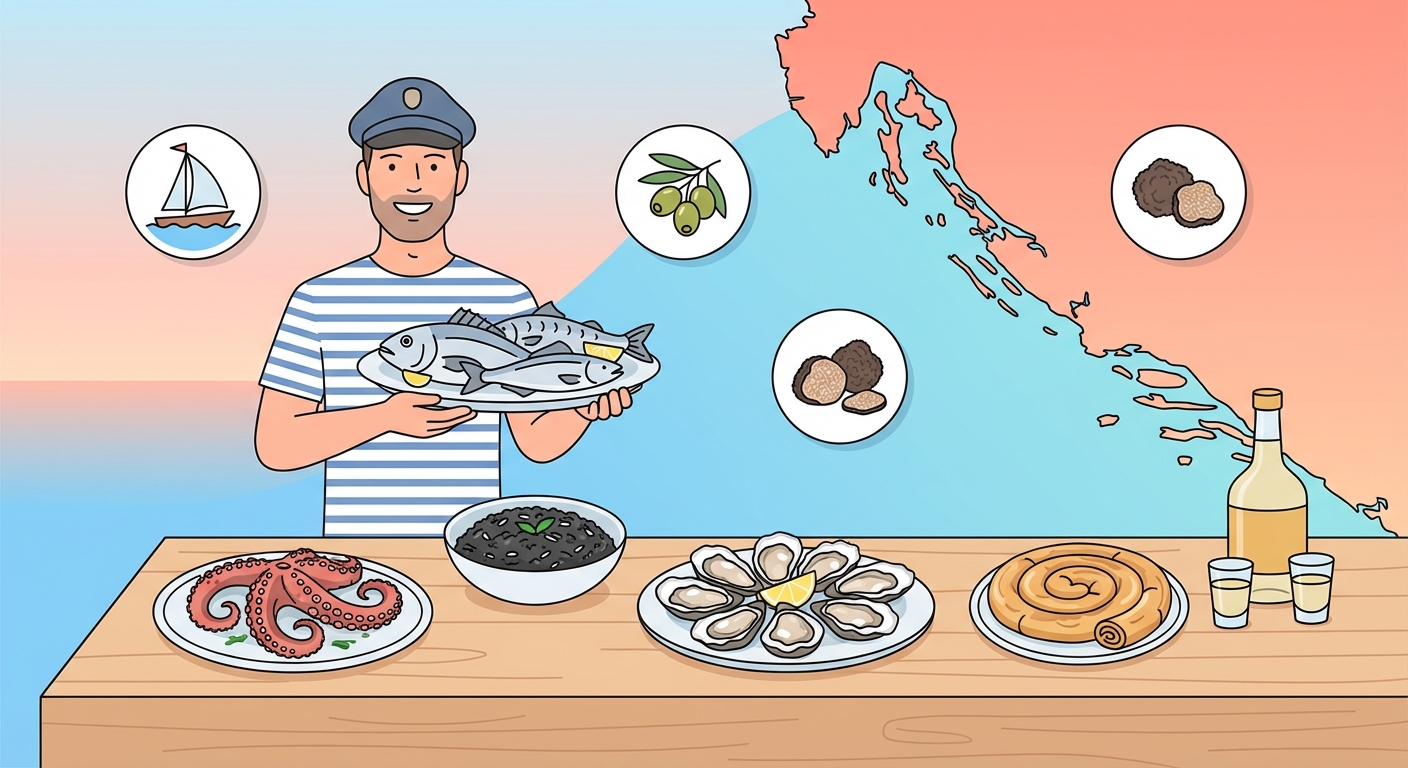
Markets and bakeries are your best friends. A bakery (pekara) sells burek or cheese pastry for €1.50–€2. A supermarket sandwich, fruit, and water for a day’s lunch costs under €5. Sit-down restaurant meals for dinner average €12–€18 for a main course; a shared starter and one drink pushes it to €20–€25.
Look for “konoba” (taverns) away from the waterfront – they serve grilled fish or meat with vegetables for €10–€13. Daily lunch specials (gablec) in Zagreb and Split offer soup, main, and salad for €8–€10. Tap water is safe; ask for “voda iz slavine” and avoid paying €2 for bottled water. Wine by the glass in a konoba costs €2–€4; a bottle in a shop is €5–€8.
Attractions: Free and Fee-Based
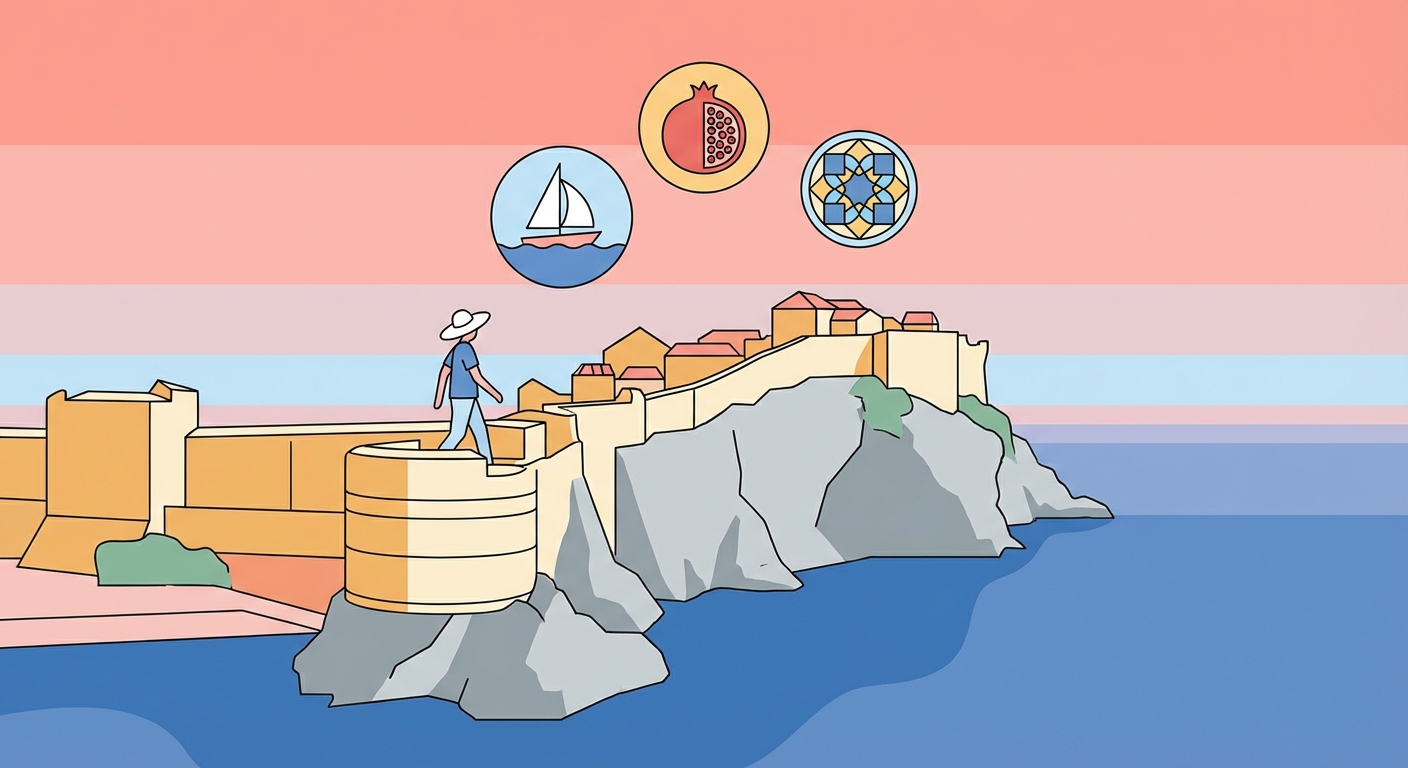
Many coastal towns are free to wander. Old Town walls in Dubrovnik cost €35 – skip them and walk the Stradun and side alleys for the same atmosphere. The Diocletian’s Palace in Split is free to enter; only the basement and bell tower charge (€7–€10). Plitvice Lakes entry is €30–€40 in summer, but it’s worth the cost for a full-day hike. Book online three weeks ahead in high season to secure a time slot and avoid queues.
Free alternatives: hike Marjan hill in Split, explore the Mljet national park lakes (€15 entry, but you can swim for free outside the park), or visit Zagreb’s museums on the first Wednesday of the month when admission is often reduced. Many churches charge €3–€5; one or two are worthwhile, but don’t pay at every stop.
Payment Habits and Tipping
Cash is still king in smaller konobas, market stalls, and on ferries. ATMs are plentiful in towns; withdraw enough for island stays where card acceptance is patchy. Major supermarkets, hostels, and bus stations accept cards. Avoid dynamic currency conversion – always pay in Croatian kuna (HRK) or euros (€) – the country uses the euro since 2023.
Tipping: not mandatory but appreciated. Round up a restaurant bill by 5–10% for good service. Leave small change (€0.50–€1) for a coffee or drink. Tipping taxi drivers or tour guides is not expected but a few euros are welcome.
Daily Budget Bands
- Frugal (€45–€60/day): Dorm bed or camping, self-catered meals, one sit-down meal, local buses, free attractions.
- Comfortable (€80–€120/day): Private room or hostel with kitchen, one restaurant meal, one paid attraction, occasional ferry, a glass of wine.
- Splurge (€150–€250/day): Apartment or boutique hotel, rental car, daily restaurant meals, multiple paid sites, private boat transfers.
These bands assume solo travel. Couples can reduce per-person costs by sharing rooms and meals.
Where Spending More Actually Helps
Some expenses are worth the upgrade. A private room with air conditioning in coastal July is a sanity saver – heatstroke is not budget-friendly. A catamaran instead of a slow ferry can free up half a day for exploration. A guided tour of Diocletian’s Palace (€12–€15) gives historical context you won’t get from a map. A decent pair of walking shoes is non-negotiable for Plitvice or the city walls.
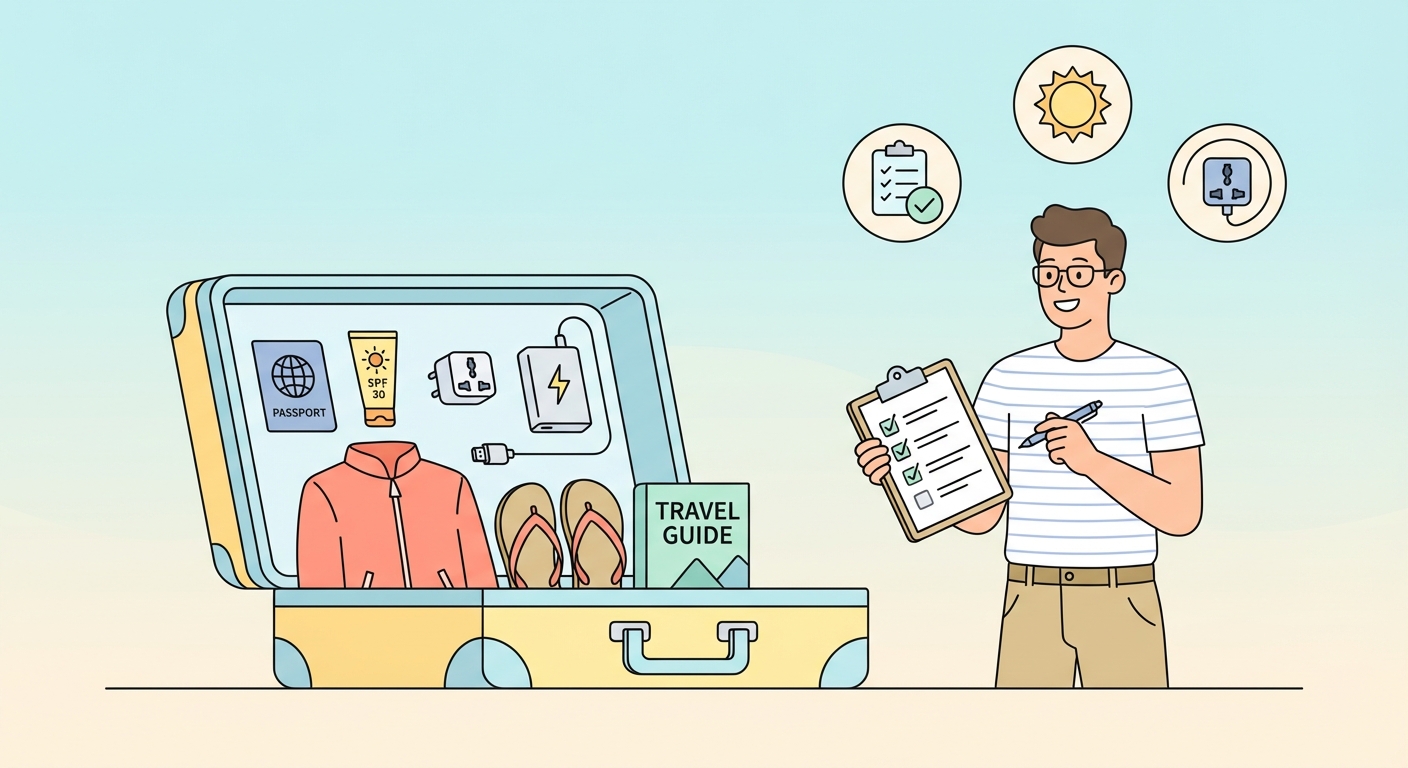
Mobile data: buy a local SIM or an eSIM before you leave. A Croatia eSIM from a provider like Airalo or eSIM Roam costs about €5–€10 for a week of data; it saves roaming fees and keeps maps and bus schedules accessible.
Skip overpriced “tourist menus” on Dubrovnik’s main street – walk two blocks inland for the same quality at half the price. Avoid taxis from the airport; a shuttle bus to Split centre costs €7, compared to €30 by cab.
Cautions for the Budget Traveller
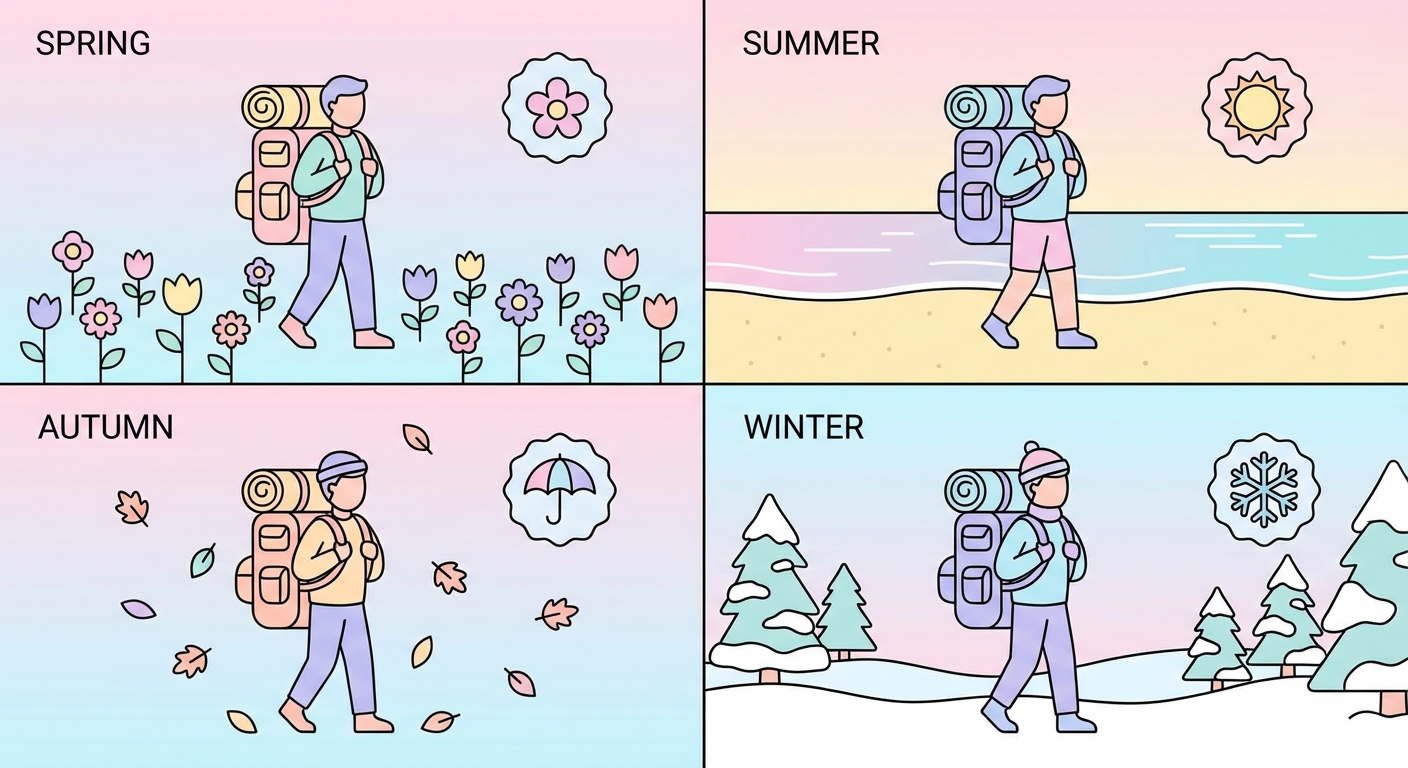
- Summer crowds push up prices. Shoulder season (May–June, September–October) offers lower rates and pleasant weather.
- Some ferry routes stop operating in winter. Check schedules in advance for November–March travel.
- ATMs on islands may charge a fee (€2–€4). Withdraw cash in mainland towns.
- Restaurants add a cover charge (naplatak) for bread or olives – ask if it’s included before accepting.
- Bus tickets from the driver cost more than from a kiosk or app. Buy ahead.
With careful choices, a week in Croatia can cost under €500 for accommodation, transport, and food. The key is planning the route, using local transport, and knowing when to pay more for comfort and convenience.