Australia can feel punishingly expensive for the unprepared traveller, but with a deliberate route and clear spending decisions, the country is far more accessible than its reputation suggests. This guide strips away the hype and lays out a practical budget framework covering accommodation, food, transport, attractions, payment habits, tipping, daily spending bands, and the few areas where spending more actually helps. The key rule: decouple your travel style from your daily spend by making informed trade-offs along a thoughtfully planned route.
Route Strategy: The Biggest Lever on Your Budget
Your route determines your cost far more than any single expense category. Australia is vast, and internal transport is expensive. A common mistake is trying to cover the entire east coast or jumping between capitals. A smarter, budget-friendly approach is to pick one region and explore it in depth. For a first-time visitor on a budget, a two-week route from Sydney to Melbourne along the coastal train line, with stops in the Blue Mountains and the Grampians, keeps daily transport costs low and avoids flights. Alternatively, a concentric loop out of Cairns lets you access the Great Barrier Reef and Daintree Rainforest without relocating every second day. The trade-off is missing Uluru or the west coast, but the savings in flights, accommodation, and time are substantial.
Accommodation: Where to Sleep Without Breaking Out
Hostels are the backbone of budget travel in Australia. A bed in a well-rated dormitory in a capital city ranges from AUD 30 to 45 per night. Regional hostels are cheaper, often AUD 25 to 35. Look for hostels with free breakfast or communal kitchens—saving AUD 10–15 on breakfast each day adds up. For longer stays, consider budget motels or pub rooms in smaller towns; they can be quieter than hostels and similar in price. Airbnb stays are rarely cheaper than hostels unless you share with a group. Camping is a serious option if you have or can rent a car and gear: national park campsites cost AUD 10 to 20 per night, but factor in park entry fees (typically AUD 15 per vehicle). Always book ahead during school holidays (mid-December through January and April–May).
Food: Eat Well, Spend Little
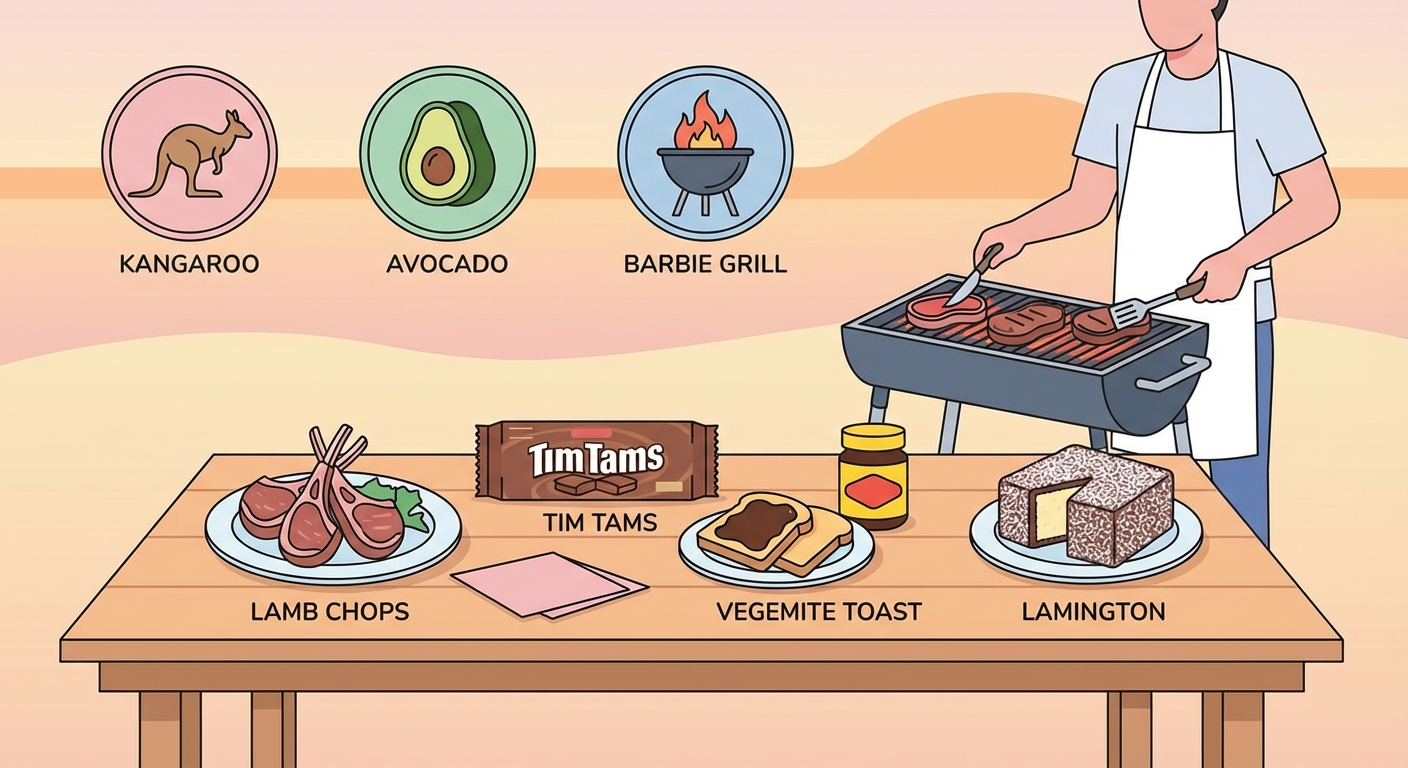
Australia’s food scene is expensive if you eat out for every meal. The budget traveller’s strategy is to self-cater for breakfast and lunch, and eat out for dinner. A typical supermarket spend for a day’s breakfast, lunch, and snacks is AUD 15–20. For dinner, look for Asian noodle houses, Indian takeaway, or kebab shops in city suburbs—a filling meal costs AUD 12–18. Pub meals are an Australian institution; a counter lunch (like a chicken parmigiana or a steak sandwich) runs AUD 18–25 and includes access to a cold drink. Avoid eating in tourist strips (Surfers Paradise, Darling Harbour, Fremantle) where the same meal costs 30–50% more. Farmer’s markets are excellent for buying fruit and bread; a bag of mangoes or stone fruit costs AUD 5–8 and can last several days.
Local Transport: Getting Around Without a Car
City public transport is efficient and affordable. Sydney’s Opal card, Melbourne’s Myki, and Brisbane’s Go Card all cap daily charges at around AUD 20–25 per day. Buses and trains in regional areas are cheaper than flights but slow; a train from Sydney to Melbourne (12 hours) costs AUD 70–120 if booked two weeks ahead on the same route. Long-distance buses (Greyhound or Firefly) are often AUD 50–80 for the same journey. For short hops, ridesharing apps are less common than in Europe, but local Facebook groups (e.g., “Sydney to Melbourne Rideshare”) are active and cost roughly AUD 30–50 for a shared ride. Never rely on taxis—they are expensive and surge-priced. For mobile data, arrange an Australia eSIM before you leave; it saves roaming charges and avoids the hassle of buying a physical SIM at the airport.
Attractions: Free and Low-Cost Highlights
Many of Australia’s best experiences are free or cheap. National parks charge entry (AUD 15–25 per vehicle) but are valid for 24 hours. The Blue Mountains, Royal National Park, and the Grampians offer world-class walks for that price. City galleries and museums: the Art Gallery of New South Wales, the National Gallery of Victoria, and the Queensland Art Gallery are free. The Australian Museum in Sydney charges AUD 25, but free entry is offered on the first Saturday of each month. For the Great Barrier Reef, a budget option is a day trip from Cairns on a small operator (AUD 120–150) rather than a luxury catamaran (AUD 250+). Whale-watching in Hervey Bay costs around AUD 80–100; skip the expensive helicopter tours. Always check the official website for free-entry days and off-peak discounts.
Payment Habits and Tipping
Australia is a cashless society. Most places accept credit and debit cards, including tap-and-pay for amounts under AUD 200. Carry a small amount of cash (AUD 100–200) for markets, small-town bakeries, and coin-operated laundry. Tipping is not expected. In restaurants, a tip of 10% is given only for exceptional service and is never mandatory. In taxis, rounding up to the nearest dollar is common but not required. Many hospitality workers are paid a living wage, so there is no pressure to tip. Avoid dynamic currency conversion at ATMs and point-of-sale terminals—always choose to pay in Australian dollars.
Daily Budget Bands
These are realistic per-day figures for one person, excluding flights to/from Australia and major long-distance travel.
- Shoestring (AUD 60–80): Dorm bed, self-catered meals, no paid attractions, walking and public transport only, one cheap takeaway dinner per week.
- Moderate (AUD 110–140): Private room in a hostel or budget motel, one sit-down meal per day, one paid attraction every two days, some ridesharing or regional bus travel.
- Comfort (AUD 180–240): Hotel or Airbnb (shared), two restaurant meals per day, multiple paid attractions, rental car for regional trips, occasional domestic flight.
Where Spending More Actually Helps
Not all budget cuts are wise. These three areas justify extra spending:
- Travel insurance: Australia’s healthcare system is not free for visitors. A basic policy costs AUD 50–100 for a two-week trip; a medical evacuation from a remote park can cost tens of thousands. Do not skimp.
- A good pair of walking shoes: Cheap footwear leads to blisters and ruined days. A pair of sturdy trainers or hiking boots (AUD 150–200) will pay for itself in comfort and avoided foot injuries.
- A reliable backpack or daypack: A cheap bag can tear on a bushwalk or during a long bus ride. A well-constructed 40–50 litre pack (AUD 120–200) lasts years and makes moving between hostels far less stressful.
Australia rewards the traveller who plans a tight route, eats like a local, and knows when to spend. The beauty of the landscape and the warmth of the people are not priced by your wallet, but a smart budget lets you experience them without the anxiety of overspending. Stick to one region, cook your own breakfast, and invest in insurance and footwear. The rest is just logistics.