First-time visitors to Switzerland often try to cover too much ground. The country is small, but its mountain railways, lake steamers, and winding roads make travel times longer than map distances suggest. A realistic seven-day itinerary should anchor in no more than two bases, use the excellent rail network, and accept that you will miss many worthwhile places. The route below prioritises the Bernese Oberland and a short Lucerne–Lake Lucerne segment, with an optional slower alternative for those who prefer fewer moves.
Route Overview and Base Choices
This itinerary uses two bases: Interlaken (or a nearby village such as Wilderswil or Lauterbrunnen) for five nights, and Lucerne for two nights. The logic is simple: the Interlaken area offers the greatest concentration of iconic alpine scenery—Jungfrau, Eiger, Mürren, Schilthorn, and the two lakes—while Lucerne gives you a classic city-and-lake experience with a direct rail link to Zurich Airport on departure day. Flying into Zurich and out of Zurich works well; the train from the airport to Interlaken takes about two hours, and the return from Lucerne to the airport takes about one hour.
If you prefer a slower pace, consider staying all seven nights in the Interlaken area and skipping Lucerne. That alternative is described at the end of this article.
Days 1–5: Interlaken Area
Day 1: Arrival and Settling In
Arrive at Zurich Airport, buy a Swiss Travel Pass (or a Half Fare Card, depending on your planned excursions), and take the direct train to Interlaken Ost. Check into your accommodation. The afternoon is for a gentle orientation: walk along the Höheweg between the two lakes, or take the short funicular to Harder Kulm for a panoramic view of the Jungfrau region. Dinner in Interlaken or in nearby Unterseen, the old quarter.
Day 2: Jungfraujoch and the Eiger Glacier
This is the most demanding and expensive day of the trip. Take the train from Interlaken Ost to Lauterbrunnen, change for Wengen, then change again for Kleine Scheidegg, and finally board the Jungfrau Railway to Jungfraujoch. The entire journey takes about 2–2.5 hours each way. At 3,454 metres, you will find the Sphinx observation deck, the Ice Palace, and the Aletsch Glacier viewpoint. Allow at least three hours at the top. Descend the same route, or vary it by going down via Grindelwald and taking the Eiger Express cable car from Eigergletscher to Grindelwald Terminal, then the train back to Interlaken. Book tickets online in advance to secure a time slot and save a small amount. Bring warm clothing and sunglasses, even in summer.
Day 3: Schilthorn and Mürren
A more relaxed mountain day. Take the train from Interlaken Ost to Lauterbrunnen, then the cable car via Grütschalp to Mürren. Walk through this car-free village and continue by cable car to Birg and then to the Schilthorn summit (2,970 m). The revolving restaurant Piz Gloria offers views of Eiger, Mönch, and Jungfrau. Return to Mürren for a late lunch and a gentle walk on the Mürren–Allmendhubel path (the “Flower Trail” in summer). Descend via the same cable car route. This day uses less time than Jungfraujoch and costs significantly less.
Day 4: Lake Cruise and a Side Valley
In the morning, take a lake steamer from Interlaken West across Lake Thun to Spiez. Visit the castle and its gardens, then return by boat or train. In the afternoon, consider a shorter excursion: the Giessbach Falls above Lake Brienz are accessible by boat from Interlaken Ost to the Giessbach dock, followed by a short walk. Alternatively, take the train to Meiringen and the Reichenbach Falls funicular for a Sherlock Holmes-themed outing. This day is deliberately lighter to allow recovery from the previous mountain days.
Day 5: Free Day or Grindelwald First
Use this day for a side trip you chose based on weather and energy. A strong option is Grindelwald First, accessed by a gondola from Grindelwald to First (2,168 m). At the top, the “First Cliff Walk” and the “First Flyer” zipline appeal to adventurous visitors. The gondola ride is scenic, and you can walk down to the Bachalpsee lake. Alternatively, if the weather is poor, stay low and visit the open-air museum Ballenberg near Brienz, which shows traditional Swiss buildings and rural life. This is also a good day to use your Switzerland eSIM data plan for navigation and communication, as coverage in mountain areas is generally excellent.
Days 6–7: Lucerne
Day 6: Transfer and Lucerne Old Town
Take the train from Interlaken Ost to Lucerne (about two hours, with a change in Bern or direct via the GoldenPass route). The more scenic GoldenPass line runs through the Simmental and Zweisimmen, but it takes about 3.5 hours. If you prefer speed, the direct InterCity via Bern is faster. Check into your hotel near the train station or the old town. Spend the afternoon walking the Chapel Bridge, the Lion Monument, and the cobbled streets of the Altstadt. Climb the Musegg Wall towers for a view of the city and lake. Dinner on the Reuss River promenade.
Day 7: Lake Lucerne and Mount Pilatus
Take the steamer from Lucerne to Alpnachstad, then board the world’s steepest cogwheel railway up Mount Pilatus (2,128 m). The panorama of the Alps and the lake is exceptional. Allow about 2–3 hours at the top. Descend by cable car to Fräkmüntegg and then to Kriens, from where bus 1 returns to Lucerne station. This “Golden Round Trip” is a classic and well-organised. After the descent, collect your luggage and take the direct train to Zurich Airport (about one hour).
Slower Alternative: Seven Nights in the Bernese Oberland
If you dislike hotel changes or want a more leisurely pace, stay all seven nights in one base such as Lauterbrunnen, Wengen, or Grindelwald. This eliminates the transfer to Lucerne and gives you time for deeper exploration of the Jungfrau region. Suggested activities for the extra days: a full-day hike from Schynige Platte to Faulhorn, a visit to the Trümmelbach Falls, a day trip to the Aletsch Glacier via the Jungfraujoch, or a boat trip across both Lake Brienz and Lake Thun. You can also easily reach Bern in about one hour by train for a half-day city visit. The trade-off is that you will miss Lucerne’s lakefront charm and the Pilatus experience. Choose based on whether you prefer alpine villages or a mix of city and lake.
Practical Notes
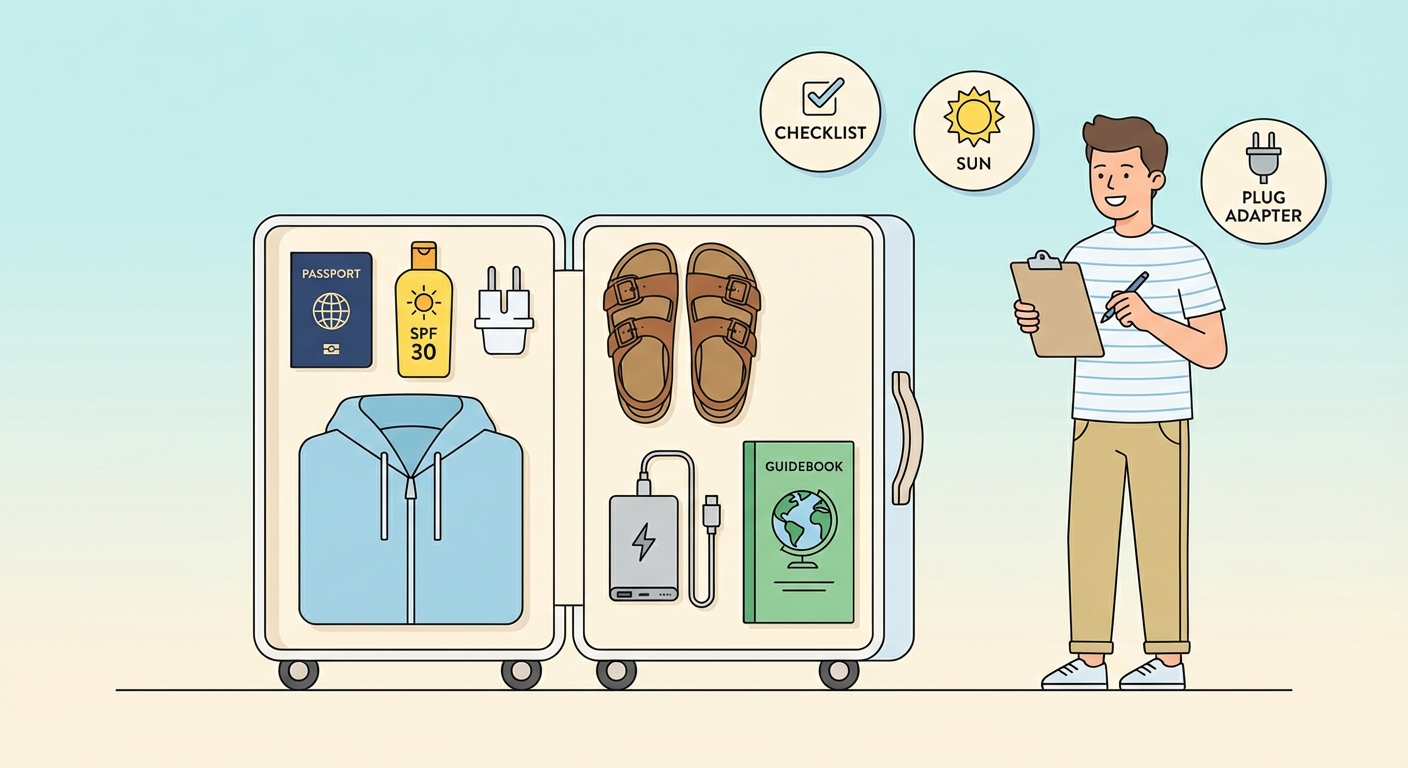
The Swiss Travel Pass covers unlimited rail, bus, and boat travel on most routes, plus free admission to many museums and a 50% discount on most mountain railways. For this itinerary, it is likely the best value. Buy it before arrival to avoid queues. Reserve seats on the Jungfrau Railway and the Pilatus cogwheel train in advance during peak season. Pack layers: alpine weather can change quickly, and a rain jacket is essential even in July. Dinner reservations are rarely needed in small villages but are wise in Lucerne’s popular restaurants. Finally, do not over-schedule; the best moments are often unplanned, such as an impromptu stop at a lakeside bench or a village bakery.