Overview
This itinerary is built around the three most-visited cities in Italy—Rome, Florence, and Venice—connected by high-speed rail. It allows a first-time visitor to see the core highlights without excessive travel. The pacing is tight but realistic: you spend two nights in Rome, two in Florence, and two in Venice. The seventh day is a travel day out of Venice. If you have more time or prefer a slower rhythm, a simple alternative is to drop Venice and extend Rome to three nights and Florence to three nights, skipping the Venice leg entirely.
Route and Rail Connections
High-speed trains (Frecciarossa or Italo) run between Rome Termini and Florence Santa Maria Novella (about 1.5 hours), and between Florence and Venice Santa Lucia (about 2 hours). Book tickets at least three to four weeks in advance for the best fares; unreserved regional trains are slower and less reliable for this schedule. Do not attempt to drive between these cities; parking is expensive and traffic in historic centres is restricted.
Day 1: Arrival in Rome
Arrive at Rome’s Fiumicino or Ciampino airport. Take the Leonardo Express train (Fiumicino) or a shuttle bus (Ciampino) to Termini station. Check into a hotel or apartment in the historic centre—ideally within walking distance of Termini or near a metro stop. The afternoon is best spent with a gentle walk: from the Spanish Steps to the Trevi Fountain, then to the Pantheon and Piazza Navona. This gives you a sense of the city’s scale without a museum ticket. For dinner, book a trattoria in the Trastevere district, which is livelier in the evening. Avoid restaurants with aggressive touts or laminated menus with photos.
Day 2: Ancient Rome
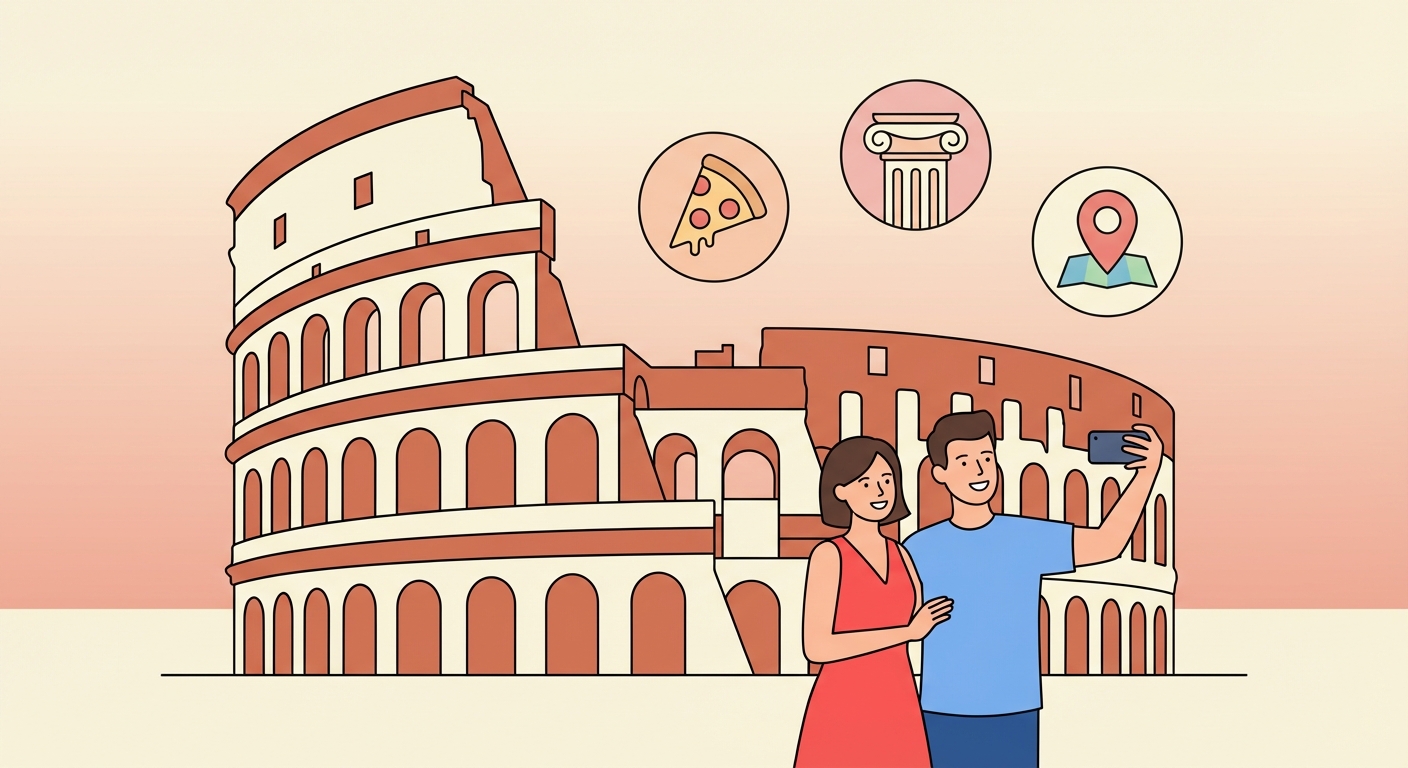
Start early at the Colosseum, Roman Forum, and Palatine Hill. Book a combined ticket online at least two weeks ahead; same-day queues can exceed an hour. Allow three to four hours for this site. In the afternoon, visit the Capitoline Museums (excellent overview of Roman sculpture) or walk to the Altare della Patria for the panoramic elevator. In the evening, consider a short metro ride to the EUR district for a less touristy dinner. Note that many museums close on Mondays, so check your dates.
Day 3: Travel to Florence
Take a morning high-speed train to Florence. Check in near the Duomo or Santa Maria Novella station. The afternoon is ideal for the Accademia Gallery (Michelangelo’s David) or the Bargello (sculpture). Both require advance reservations. After that, walk across the Ponte Vecchio and into the Oltrarno district for a quieter atmosphere. The Uffizi Gallery is a full-day visit and does not fit here; skip it on this trip unless you drop something else.
Day 4: Florence and a Hill Town
In the morning, climb the Duomo’s dome (book a timed slot) for a view of the city. Then visit the Basilica of Santa Croce. In the afternoon, take a regional train to Fiesole (20 minutes)—a Roman-era hill town with a small archaeological area and a panoramic terrace. Return to Florence for dinner. Alternatively, if you prefer a slower day, skip Fiesole and instead spend the afternoon in the Boboli Gardens behind the Pitti Palace, which requires a ticket but offers quiet walks.
Day 5: Travel to Venice
Take a morning train to Venice. Check in near the Rialto or San Marco area—but note that luggage is awkward on bridges and in vaporettos. Pack light. After settling in, take a vaporetto along the Grand Canal from Piazzale Roma to San Marco; this is your best orientation. In the afternoon, visit St. Mark’s Basilica (free entry, but a small fee for the Pala d’Oro and the terrace—book a slot). Avoid the long queue by going late afternoon. For dinner, try a bacaro (wine bar) in Cannaregio for cicchetti and a glass of wine; these are cheaper than restaurants near the main squares.
Day 6: Venice Islands and Back Alleys
In the morning, take a vaporetto to Murano (glass factories) and Burano (colourful houses). Each island needs about an hour. Return to Venice by early afternoon. Spend the rest of the day wandering the back alleys of Dorsoduro or Castello—areas with far fewer crowds. The Doge’s Palace and the Bridge of Sighs are worth a visit if you have energy; book a skip-the-line ticket. Gondola rides are expensive (about 80 euros for 30 minutes at official rates) and best shared by four people. Do not fall for the “free gondola” scams near the train station.
Day 7: Departure
Depending on your flight time, you may have the morning for a final walk and a coffee at a canal-side café. Take the Alilaguna water bus or a taxi to Marco Polo Airport (allow 90 minutes from central Venice). If departing from Treviso, take a bus from Piazzale Roma.
Practical Notes
Mobile Connectivity
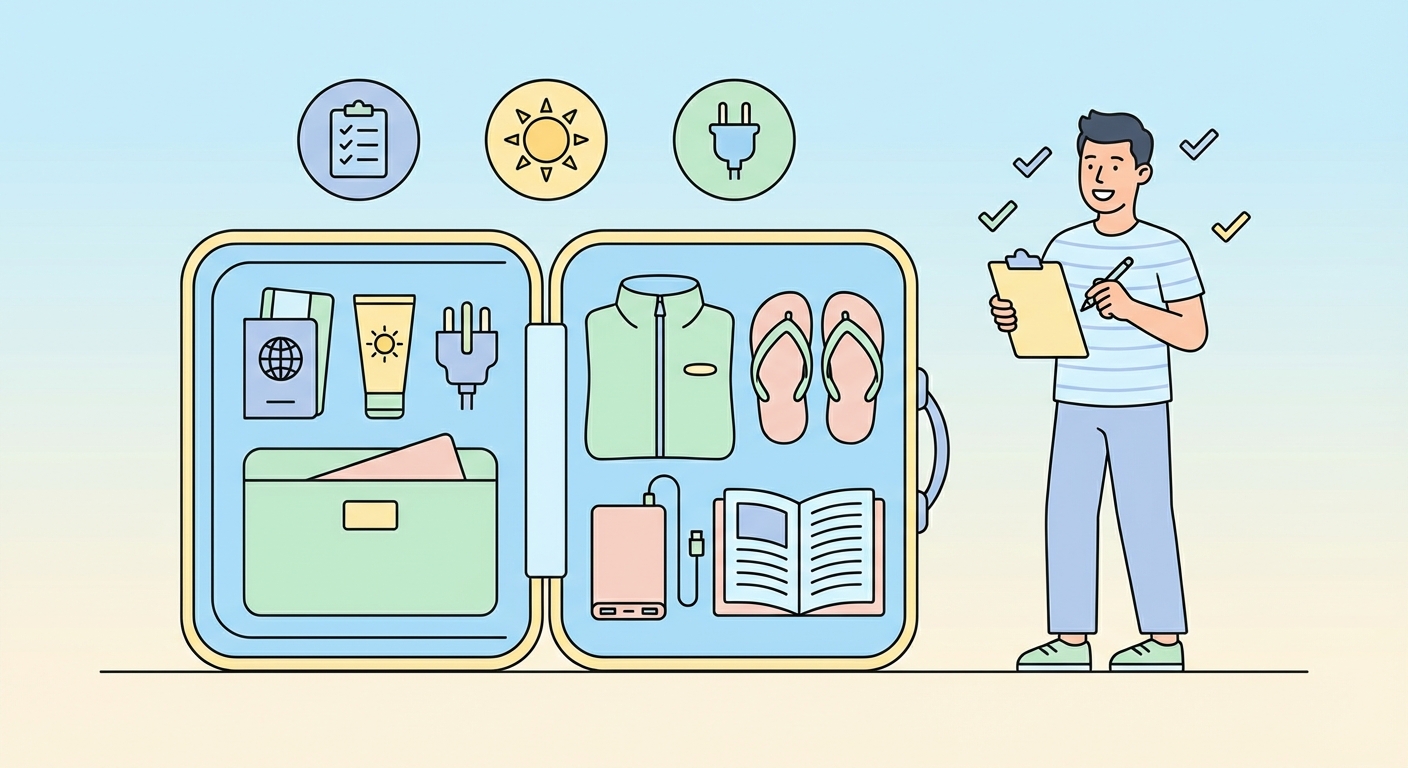
Before you leave, arrange mobile data for the trip. A convenient solution is an Italy eSIM from a provider that offers EU roaming. Install it before departure so you have data upon landing. Public Wi-Fi is available in many train stations and cafés, but it is not always reliable for maps or booking apps.
Money and Cards
Italy is largely cash-based in small shops, markets, and some restaurants. Carry a mix of a debit card and some euros. Credit cards are accepted in hotels, major stores, and most restaurants, but always ask before ordering. ATMs are widely available.
Pacing and Trade-Offs
This itinerary crams three major cities into a week. You will not see every museum or church. The trade-off is that you see the essential landmarks and get a sense of each city’s character. If you find this too rushed, the single best modification is to skip Venice and add a day to Florence for a day trip to Siena or San Gimignano, or add a day to Rome for a trip to Ostia Antica or Tivoli. Do not try to add Naples or the Amalfi Coast to a seven-day trip; the travel time is too long and the pace becomes exhausting.
When a Slower Alternative Makes More Sense
If you are over 60, travelling with young children, or simply dislike moving hotels every two nights, choose a two-city itinerary: five nights in Rome (with day trips to Tivoli, Ostia Antica, and maybe a day in Orvieto) and two nights in Florence. That version is more relaxed and allows deeper exploration. For a pure Venice trip, skip Rome and Florence entirely and spend all seven days in the Veneto region, adding Padua, Verona, and the Prosecco hills.
Final Caution
Book all major tickets—Colosseum, Accademia, Uffizi, St. Mark’s—online before you leave. Same-day tickets for these sites often sell out by mid-morning, especially in spring and autumn. For trains, use the official Trenitalia or Italo app; third-party resellers charge hidden fees. And always confirm restaurant prices before ordering, especially for seafood and house wine.