🇳🇵 eSIM for Nepal
- Unlimited data
- 7-day validity
- Fast and reliable internet
- No more roaming charges
- Instant QR code by email
* As low as price reflects the cheapest per-day rate, based on the longest available unlimited data plan duration.







Why choose us?
See how uPhone compares with other options in Nepal.

eSIM prices for Nepal
All prices in USD
1 GB for 7 days in Nepal costs $4.38 — about $0.63 a day on Nepal Telecom (NTC) or Ncell, with no roaming charge and no SIM to swap. In Nepal, 5G is live and median mobile download speed is 16.3 Mbps.
Which networks you connect to in Nepal
Your eSIM roams onto Nepal's own operators. These are the networks and the frequencies they run — check your phone supports them before you travel.
Source: Ookla Speedtest Global Index, July 2025
Coverage in Nepal
Mountainous terrain and high Himalayas result in large areas with no mobile service; B20 (800 MHz) is used by NTC and Ncell for rural coverage but is absent from many international phones not targeting the European market.
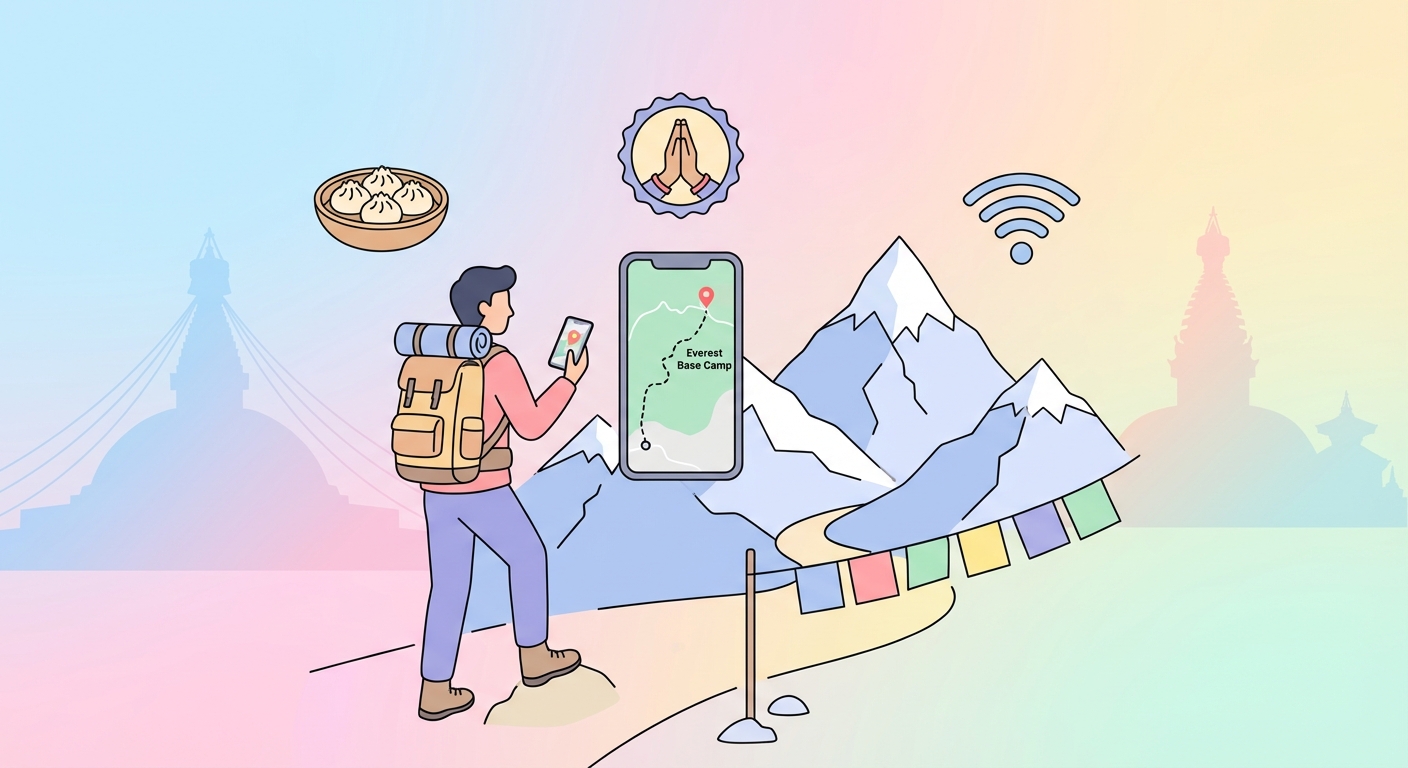
Enjoy your Nepal vacation
Nepal is a land of breathtaking mountain vistas, ancient temples, and vibrant cultural traditions that captivate every visitor who arrives in this Himalayan kingdom. From the serene banks of the Bagmati River to the bustling streets of Kathmandu, Nepal offers an intoxicating blend of spirituality, adventure, and warm hospitality. Whether you're trekking to Everest Base Camp, meditating in Pokhara, or exploring UNESCO World Heritage Sites, every moment feels magical. A uPhone eSIM keeps you connected from the moment you land, so you can share your adventures and navigate with ease throughout your journey.
Top attractions in Nepal
Nepal's attractions range from some of the world's highest peaks to sacred pilgrimage sites and serene lakes, offering something for every type of traveller. Whether you're an adventure seeker, culture enthusiast, or spiritual explorer, Nepal's diverse landscapes and rich heritage provide unforgettable experiences.
- Mount Everest — The world's highest peak, accessible via the iconic Everest Base Camp Trek, offering climbers and trekkers the ultimate Himalayan challenge.
- Boudhanath Stupa — One of the largest stupas in the world located in Kathmandu, a sacred Buddhist pilgrimage site with stunning architecture and spiritual atmosphere.
- Pokhara — Nepal's lakeside city offering serene natural beauty, adventure sports, and views of the Annapurna mountain range reflected in Phewa Lake.
- Pashupatinath Temple — A UNESCO World Heritage Site and one of the holiest Hindu temples dedicated to Lord Shiva, featuring ornate architecture along the Bagmati River.
- Chitwan National Park — A UNESCO site famous for its endangered one-horned rhinos, Bengal tigers, and opportunities for jungle safaris and wildlife viewing.
Popular foods to try in Nepal
Nepalese cuisine is a delightful fusion of flavors influenced by Indian and Tibetan traditions, featuring aromatic spices, fresh vegetables, and hearty grains. Street food and local restaurants offer authentic dishes that reflect the country's diverse regions and cultural heritage.
- Momos — Steamed or fried dumplings filled with meat or vegetables, served with spicy dipping sauce, a beloved street food throughout Nepal.
- Dal Bhat — A traditional staple dish of lentil soup served with steamed rice, vegetables, and pickle, offered in virtually every Nepali home and restaurant.
- Chow Mein — Stir-fried noodles with vegetables and meat, a quick and satisfying meal found at street vendors and casual eateries across the country.
- Sel Roti — A sweet, ring-shaped fried bread made with rice flour and jaggery, traditionally prepared during festivals and special occasions.
- Thukpa — A warm noodle soup with vegetables and meat, particularly popular in the Himalayan regions and perfect for chilly mountain evenings.
Best time to visit Nepal
The best time to visit Nepal is during autumn (September to November) and spring (February to May), when the weather is clear, temperatures are mild, and mountain views are spectacular. These seasons offer perfect conditions for trekking, with crisp air, minimal rainfall, and stunning visibility of the Himalayan peaks that make photography and sightseeing exceptional.
Winter (December to January) brings cold temperatures, especially in the mountains, but offers clear skies and fewer tourists. The monsoon season (June to August) features heavy rainfall, landslides, and cloudy skies that obscure mountain views, though the landscape becomes lush and green. Experienced trekkers may still visit during these shoulder seasons, but autumn and spring remain ideal for most travellers.
What to pack for your visit to Nepal
Nepal's varied terrain and altitude require thoughtful packing to ensure comfort whether you're trekking in the mountains or exploring urban temples. Weather conditions can change dramatically depending on your destination and season, so layered clothing and proper footwear are essential.
- Layered clothing — Temperatures vary significantly with altitude; bring moisture-wicking base layers, insulating mid-layers, and a waterproof jacket for unpredictable mountain weather.
- Sturdy hiking boots — Essential for trekking trails that range from rocky mountain paths to slippery monsoon terrain in Nepal's diverse landscapes.
- Sun protection — High altitude increases UV exposure; pack sunscreen, sunglasses, and a hat to protect against intense Himalayan sun.
- Altitude sickness medication — If trekking above 2,500 meters, consult your doctor about altitude sickness prevention medications like Diamox.
- Water purification tablets or bottle — While bottled water is available, purification tablets offer a sustainable alternative for staying hydrated safely in remote areas.
- Your uPhone eSIM — Stay connected with coverage from major Nepalese networks including Nepal Telecom (NTC) and Ncell, ensuring reliable connectivity for navigation, emergencies, and staying in touch with loved ones throughout your trek.
Frequently Asked Questions
Everything you need to know about your Nepal eSIM
Need help? We're here for you.
Questions before or during your trip — our support team is always available via live chat and email. Typical response time under 2 minutes.
Chat with us
Other uPhone eSIM destinations
Explore eSIM plans for more countries around the world.