🇱🇸 eSIM for Lesotho
- Unlimited data
- 7-day validity
- Fast and reliable internet
- No more roaming charges
- Instant QR code by email
* As low as price reflects the cheapest per-day rate, based on the longest available unlimited data plan duration.







Why choose us?
See how uPhone compares with other options in Lesotho.

eSIM prices for Lesotho
All prices in USD
7 days of unlimited data in Lesotho costs $45.10 — about $6.44 a day on Vodacom Lesotho or Econet Telecom Lesotho, with no roaming charge and no SIM to swap.
Which networks you connect to in Lesotho
Your eSIM roams onto Lesotho's own operators. These are the networks and the frequencies they run — check your phone supports them before you travel.
Coverage in Lesotho
Mountainous terrain leaves many rural and highland areas with no mobile coverage; LTE is concentrated in Maseru and larger towns, with 3G/2G still common on rural base stations.
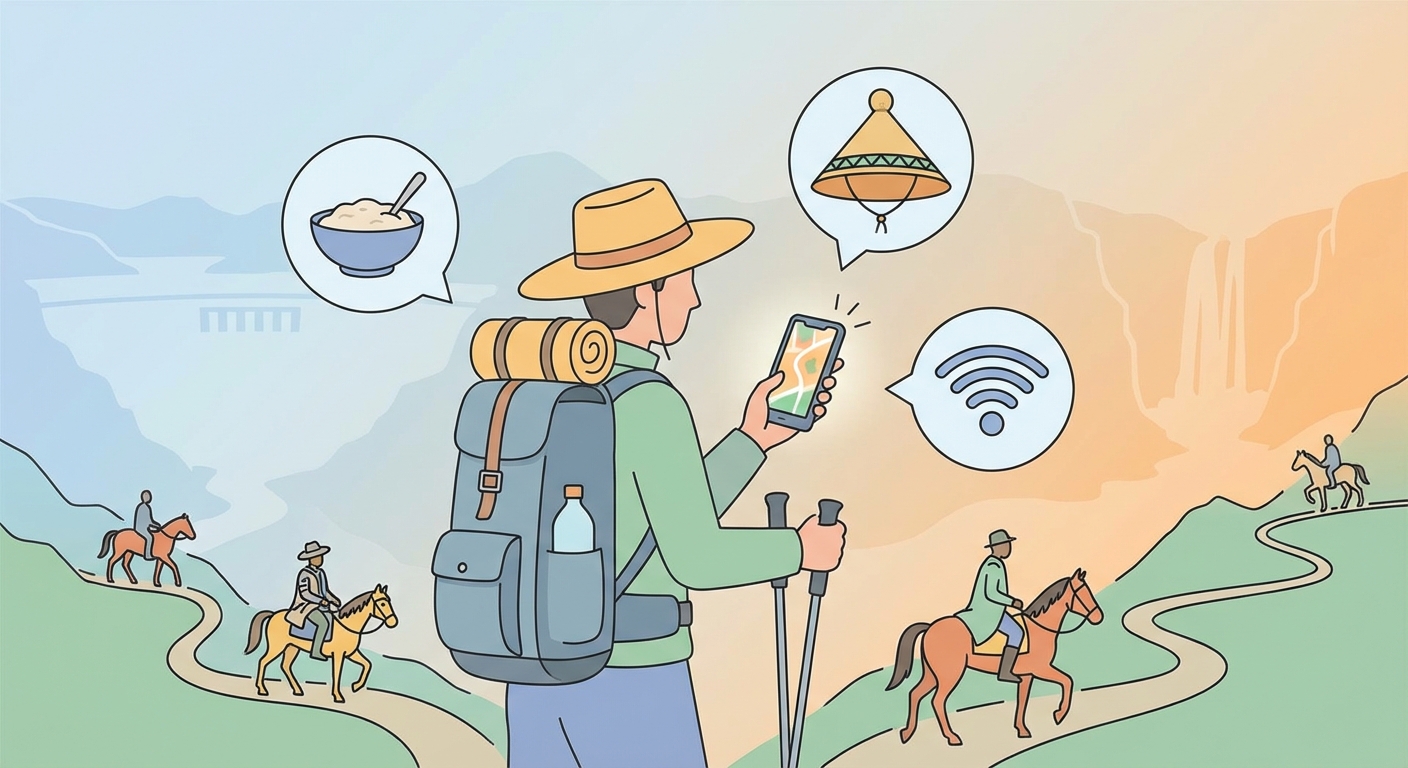
Enjoy your Lesotho vacation
Nestled high in the Drakensberg Mountains, Lesotho is Africa's only independent landlocked country entirely above 1,000 meters elevation, offering breathtaking alpine scenery and a rich cultural heritage. From dramatic mountain peaks and cascading waterfalls to vibrant traditional villages where Basotho culture thrives, this kingdom provides an authentic and uncrowded African experience. Adventure seekers can hike pristine trails, while culture enthusiasts can engage with welcoming locals and explore centuries-old traditions. Keep connected throughout your mountain journey with a uPhone eSIM, ensuring you stay in touch from the moment you arrive.
Top attractions in Lesotho
Lesotho's attractions showcase stunning natural landscapes combined with unique cultural experiences, from thundering waterfalls to remote mountain monasteries. Whether you're seeking adventure or tranquility, the kingdom offers diverse experiences for every traveler.
- Sehlabathebe National Park — A remote high-altitude park featuring dramatic cliffs, pristine streams, and San rock art sites in one of southern Africa's most untouched wilderness areas.
- Tsehlanyane National Park — Home to ancient forests, diverse wildlife, and scenic hiking trails through lush mountain valleys and meadows.
- Katse Dam — One of the world's highest concrete arch dams offering panoramic views and insight into Lesotho's ambitious water management projects.
- Thaba Bosiu — The historic mountain stronghold of King Moshoeshoe I, featuring cultural museums and panoramic views of the surrounding plains.
- Maletsunyane Falls — A spectacular 192-meter waterfall accessible by hiking through scenic gorges and offering thrilling abseiling opportunities.
Popular foods to try in Lesotho
Lesotho's cuisine reflects its mountain heritage and agricultural traditions, featuring hearty meals centered on locally grown crops and traditional cooking methods. Basotho food is warm, filling, and deeply connected to the land and its people.
- Papa — A staple cornmeal porridge served as a base for most Basotho meals, providing sustenance in the highland climate.
- Lekhoa — A traditional maize and pumpkin dish that showcases local vegetables and is often served at family gatherings.
- Litchaba — Dried bean cakes prepared with simple spices, offering a protein-rich snack popular throughout the kingdom.
- Mokopu — A hearty pumpkin and bean stew that epitomizes comfort food in Lesotho's mountain villages.
- Lebelebele — Traditional sorghum beer brewed using ancestral methods and served during cultural celebrations and community gatherings.
Best time to visit Lesotho
The best time to visit Lesotho is during the spring months of September to November, when wildflowers blanket the mountains, temperatures are mild, and roads are most accessible. These months offer ideal conditions for hiking, with comfortable daytime temperatures and minimal rainfall, perfect for exploring both high-altitude peaks and valley villages.
Summer (December to February) brings warm weather but heavy rainfall that can make mountain passes difficult; however, the landscape is lush and vibrant. Winter (June to August) features crisp, clear days ideal for photography and stargazing, though higher elevations may experience snow and some routes become impassable. Autumn (March to May) is also pleasant with mild temperatures and less rain, making it another excellent season for trekking and cultural exploration.
What to pack for your visit to Lesotho
Lesotho's high altitude and mountainous terrain require thoughtful packing, with weather-appropriate layers being essential even during warmer months. The kingdom's elevation means temperatures can change rapidly, and some areas remain remote with limited services.
- Warm layers and jacket — Temperatures drop significantly at elevation, and mornings and evenings can be cold even in summer months.
- Sturdy hiking boots — Essential for navigating Lesotho's mountain trails, rocky terrain, and sometimes muddy paths in rural areas.
- Hat and sunscreen — The high altitude intensifies UV exposure, requiring strong sun protection even on cloudy days.
- Waterproof gear — Mountain weather changes quickly; a waterproof jacket and pack cover are crucial for unexpected rain and snow.
- Cash in Maloti — Many remote villages lack ATMs and card readers, so carrying local currency is essential for small purchases and village interactions.
- Your uPhone eSIM — Stay connected across Lesotho with coverage from major networks including Vodacom Lesotho and Econet Telecom Lesotho, ensuring connectivity even in mountain communities.
Frequently Asked Questions
Everything you need to know about your Lesotho eSIM
Need help? We're here for you.
Questions before or during your trip — our support team is always available via live chat and email. Typical response time under 2 minutes.
Chat with us
Other uPhone eSIM destinations
Explore eSIM plans for more countries around the world.